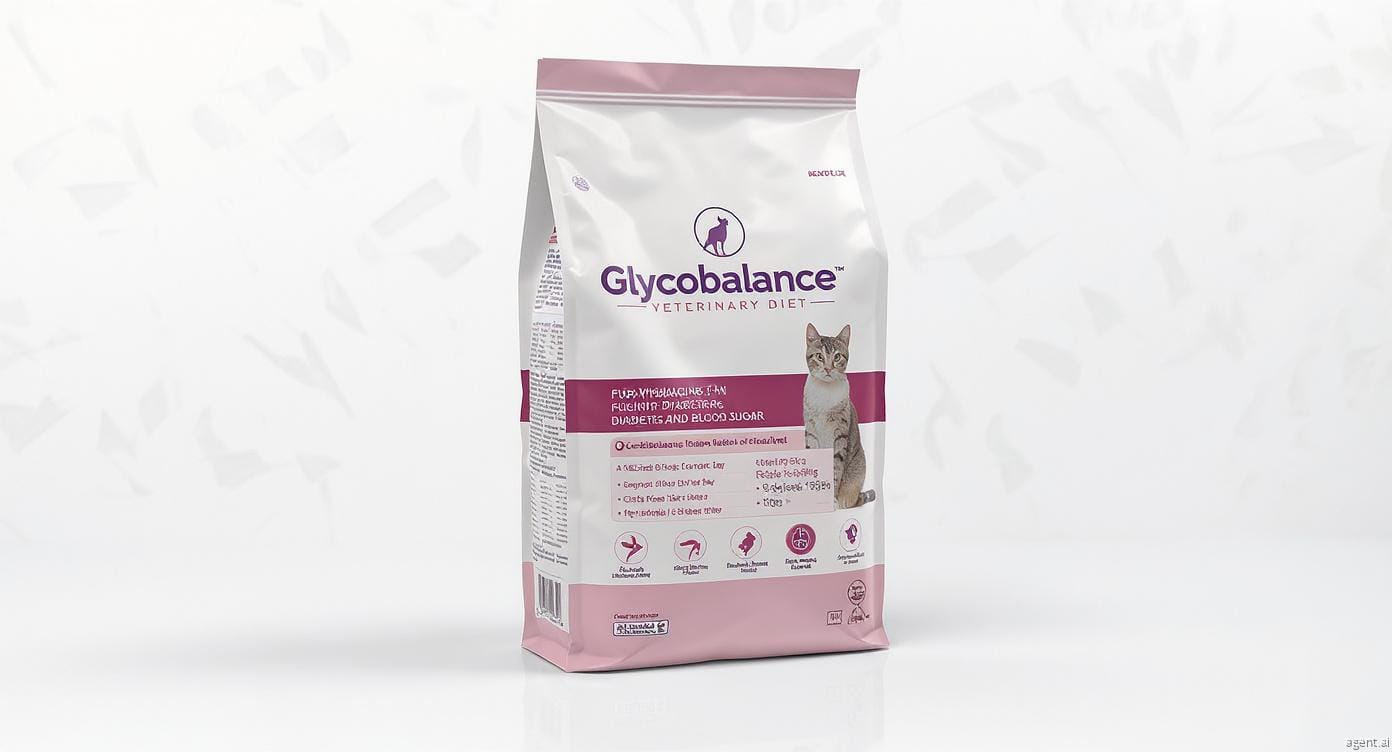
Glycobalance Cat Food—Full In-Depth Review
When your cat is diagnosed with diabetes mellitus, choosing the right diet becomes critical. The product Glycobalance Cat Food (and its wet variants) is formulated specifically for cats with blood sugar issues. In this article, we’ll cover what it is, how it works, its ingredients, pros & cons, feeding guidelines, and whether it’s the right pick for your feline. Glycobalance Cat Food
What is Glycobalance Cat Food?
Glycobalance Cat Food, formerly known as “Diabetic” in the brand’s portfolio, is a veterinary prescription diet made by Royal Canin specifically for adult cats with diabetes mellitus.
Key features:
- Designed to help support healthy post-prandial (after-meal) blood glucose levels.
- High protein content to maintain muscle mass.
- Reduced starch level—for example, the dry version contains a “dietary starch (max) 24.0%” and claims a 29% reduction compared to their adult “Fit & Active” formula.
- Additional support via prebiotics (soluble + insoluble) to help minimize glucose fluctuations.
Because of these targeted features, Glycobalance Cat Food is used under veterinary supervision as part of a broader plan for diabetic cats.
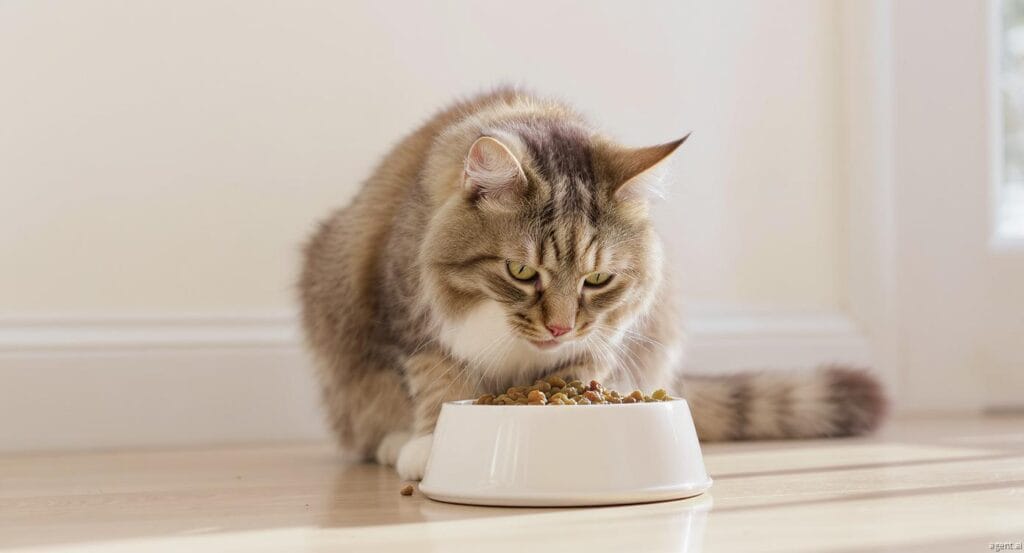
Why Is This Cat Food Important for Diabetic Cats?
Diet is crucial to the management of cats with diabetes mellitus, a condition in which the body’s reaction to insulin is compromised or the pancreas is unable to produce enough insulin. Glycobalance Cat Food is a diet that attempts to assist by:
- Reducing rapid glucose surges after meals thanks to lowered digestible starch.
- Supporting lean muscle mass, which is beneficial because muscle tissue helps regulate blood glucose.
- Helping maintain an appropriate body weight, since overweight cats face a higher risk of metabolic issues.
- Setting groundworkfor more stable insulin dosing (or potentially lowered insulin requirement) when combined with appropriate veterinary care.
Thus, when you search for “Glycobalance Cat Food,” you are looking at a product largely designed for metabolic support, not just general nutrition.
Detailed Ingredient & Nutritional Breakdown
Dry formula (Adult version)
Key stated guaranteed analysis:
- Crude Protein (min): 44.0 %
- Crude Fat (min): 10.0 %
- Dietary Starch (max): 24.0 %
- Sugars (max): 5.4 %
- Calorie content: ~3,519 kcal ME/kg or ~320 kcal ME per cup.
Ingredients overview
Among the main components are barley, soy protein isolate, tapioca, chicken fat, chicory root, fish oil, psyllium seed husk, chicken by-product meal, and soy protein isolate.
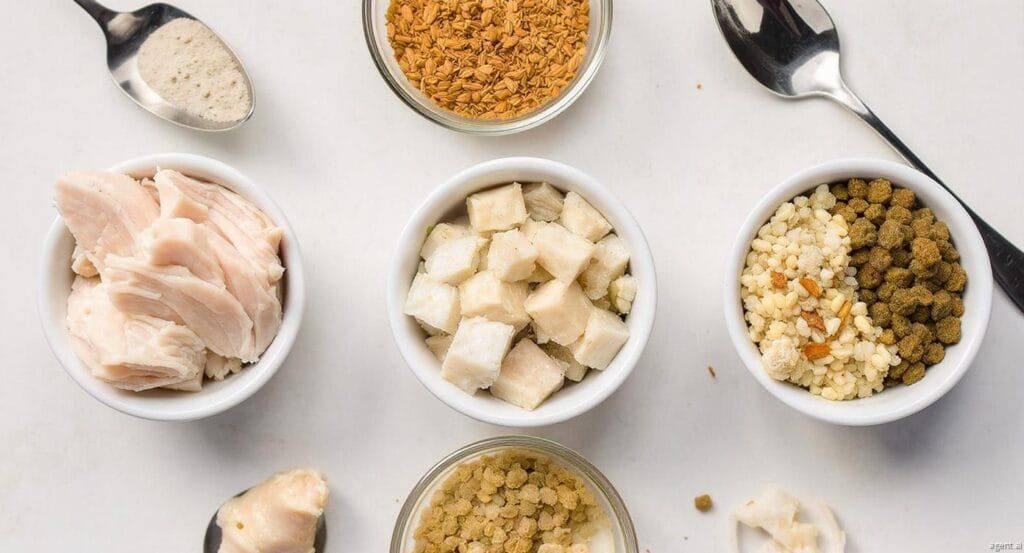
Wet/Gravy versions
Also offered is the canned version, Thin Slices in Gravy, which promotes the same objective by having less fat and carbohydrates. About 647 kcal ME/kg, or 55–57 kcal per 3-oz can, is the caloric content.
Benefits of Using Glycobalance Cat Food
Here are the major advantages:
- Glucose Stability: Designed to cut post-meal glucose spikes by lowering starch and adding prebiotics.
- Muscle Maintenance: High protein helps preserve lean body mass, which is crucial in diabetic cats.
- Weight Management Friendly: A moderate fat level and lower digestible carbs help maintain a healthy weight.
- Urinary Support: Some formulations claim to promote a urinary environment less favorable to struvite and calcium oxalate crystals.
- Veterinary Grade: Since it’s prescription-only in many markets, it ensures that a vet is involved in the decision-making, which is important for a serious condition like feline diabetes.
Limitations/Things to Be Aware Of
No product is perfect. Here are caveats:
- Prescription Required: You likely need veterinary authorization to obtain Glycobalance Cat Food.
- Cost: Veterinary diets tend to cost more than regular cat foods.
- Not a Cure: It supports management of diabetes but is not a standalone cure. Insulin therapy, lifestyle adjustment, and monitoring are still essential.
- Not for All Cats: This diet is not recommended for kittens, growth, reproduction, or healthy adult cats without diabetes.
- Carbohydrates Still Present: While starch is reduced, some carbohydrate remains (e.g., ~23.5% carbs on an “as-fed” basis for the dry version).
- Ingredient Considerations: Some ingredients, like soy protein isolate, corn gluten meal, etc., may raise questions among pet owners who prefer minimal plant-based proteins or grain-free diets.
Also Read– Dog Grooming at Home: The Ultimate Guide to a Healthy and Happy Pet
How to Use Glycobalance Cat Food—Feeding Guidelines
Here are practical steps:
- Vet Consultation First: Before starting Glycobalance Cat Food, your cat must be diagnosed, and your vet should approve the change.
- Transition Gradually: When switching from your current diet to this one, mix old food and new food over 5-7 days to avoid digestive upset.
- Twice Daily Feeding: For diabetic cats, consistent feeding times are important. The dry formula feeding schedule indicates two meals per day
- Meal Timing & Insulin: For cats on insulin, meals should ideally be given shortly before insulin injection (consult a vet for exact protocol).
- Monitor Weight & Glucose: Keep track of your cat’s body condition and blood glucose readings (if home monitoring), and adjust with vet guidance.
- Ensure Fresh Water: With high-protein diets, hydration remains key.
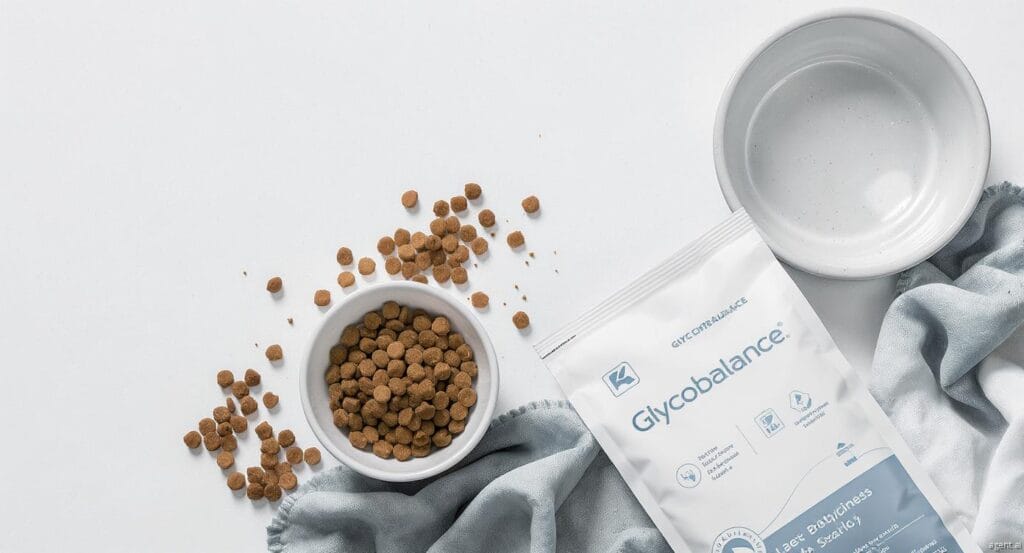
Is Glycobalance Cat Food Worth It? Final Verdict
Glycobalance Cat Food is a good choice if your cat has been diagnosed with diabetes mellitus and you’re searching for a diet supported by research and focused nutrition. Numerous metabolic issues that diabetic cats have are addressed by the high-protein, low-starch, prebiotic-supported mix.
However, appropriate use—prescription status, veterinary supervision, regular feeding schedule, monitoring, and general care—is essential to its success. This is probably not the greatest option if all you’re looking for is a high-quality daily cat food that will keep your cat healthy (and may cost more than necessary).
Conclusion
When your cat has a serious condition like diabetes, choosing a targeted diet like Glycobalance Cat Food makes sense. Under veterinary care, it can help stabilize glucose, preserve muscle mass, and support overall health. But it’s not a generic “premium cat food”—it’s a condition-specific diet that must be used appropriately
For the right cat, under the right circumstances, yes—Glycobalance Cat Food is worth it. For the wrong cat (healthy, young, and non-diabetic), the benefits are limited, and other diets may be more appropriate.
FAQs—Common Questions About Glycobalance Cat Food
Q1: Is Glycobalance Cat Food only for diabetic cats?
A: Yes—this diet is formulated specifically for adult cats with diabetes mellitus. It is not formulated for growth, reproduction, or general wellness.
Q2: Can I buy Glycobalance Cat Food without a prescription?
A: In many regions, this product is a veterinary prescription diet, requiring vet approval. Check local regulations and pet retailer policy.
Q3: Are there grain-free versions of Glycobalance Cat Food?
A: The formulations available (dry and wet) include grains such as barley, wheat gluten, and corn gluten meal in the dry version. They are not grain-free.
Q4: My cat is diabetic but picky—will they eat it?
A: Palatability varies. Some owners report success; others find the texture or flavor less preferred. Transition gradually and work with your vet if palatability is an issue.
Q5: Does feeding Glycobalance mean I can stop insulin?
A: No. Diet is one component of diabetes management. Insulin, monitoring, weight control, and vet care remain essential. Only the vet can determine if insulin dosage needs adjustment.
Q6: How long should my cat stay on this diet?
A: In many cases, the diet continues for the life of the diabetic cat unless the vet decides to change it. Monitor health and glycemic control and make changes only under veterinary advice.