Introduction
Every loving dog owner wants the best for their canine companion. Yet sometimes, despite good intentions, certain dog owner mistakes can quietly erode your pet’s health and longevity. In fact, experts suggest that avoidable errors in care can shorten a dog’s life by as much as 2.5 years or more. In this article, we’ll explore the top mistakes, the reasons they matter, and detailed guidance on how to avoid them—so you can help your dog live a longer, healthier, happier life.
Why longevity matters for dogs
The average lifespan of a dog varies by size, breed, and general health. According to one source, medium-sized dogs typically live between 10 and 13 years, though this can vary widely. Research shows that small breeds tend to live longer, while very large breeds have shorter lifespans.
Given that many dogs may live 10–15 years (or more), losing 2.5 years is significant—it’s a meaningful portion of their life. That’s why understanding and correcting dog owner mistakes is so important.
Errors in feeding, exercise, health monitoring, environment, breeding/breed selection, and even emotional care are all included in the term “dog owner mistakes.” These errors are frequently preventable, and by fixing them, you can give your dog’s life more years and significant quality.
Mistake 1: Poor diet & overfeeding
A major and common dog owner mistake is feeding too much or feeding low-quality food.
Why does it shorten lifespan?
- Dogs that carry excess weight are at higher risk of diseases like diabetes, joint problems, and heart issues. Research indicates that maintaining optimal body condition throughout life can improve both lifespan and health parameters.
- A poor diet lacking in essential nutrients weakens the immune system and accelerates aging.
- Overfeeding or free-feeding can lead to obesity—one of the biggest risk factors in canine longevity

How to avoid this mistake
- Choose a nutritionally balanced dog food appropriate for your dog’s age, size, and breed.
- treats, Avoid table scraps, excessive treats, and high-calorie extras.
- Monitor your dog’s body condition—aim for a waist, ribs that can be felt but not seen, and ideally a body condition score in the “ideal” range.
- Ask your veterinarian for a feeding guideline rather than relying on generic packaging.
- Reassess diet periodically: as dogs age, their needs change (less activity, slower metabolism).
By correcting this diet-and-feeding mistake, you can prevent the early onset of health issues and thus reduce how much lifespan is lost due to preventable causes.
Mistake 2: Inadequate exercise & inactivity
Another key dog owner mistake: not providing enough exercise or mental stimulation.
Why it matters
- Dogs need regular movement to maintain cardiovascular health, joint mobility, and muscle mass.
- Inactivity leads to weight gain, muscle atrophy, increased risk of behavioral problems, and lowered quality of life.
- A dog with strong physical and mental health is more resilient to disease.
How to avoid
- Tailor exercise to your dog’s breed, age, and health status—a young, active breed will need more than an older or slower one.
- Include both physical exercise (walks, runs, play) and mental stimulation (training, games, puzzle feeders).
- Make exercise a daily habit—consistency matters more than occasional bursts.
- Monitor for signs of overexertion in older dogs or breeds with joint issues, and adjust accordingly.
By ensuring your dog gets the right level of exercise, you help reduce one of the main dog owner mistakes that can shave off years from a dog’s life.
Mistake 3: Skipping veterinary check-ups & dental care
Skimping on vet visits or assuming “my dog seems fine” is a classic dog owner mistake.
Why does this shorten lifespan?
- Many serious illnesses (cancer, kidney disease, dental infections) progress quietly until advanced. Early detection dramatically improves outcomes.
- Dental disease in dogs is strongly linked to other systemic health problems.
- Research shows that breed, size, skull shape, and other factors influence lifespan, but many of these risks can be managed with proactive healthcare.
How to avoid
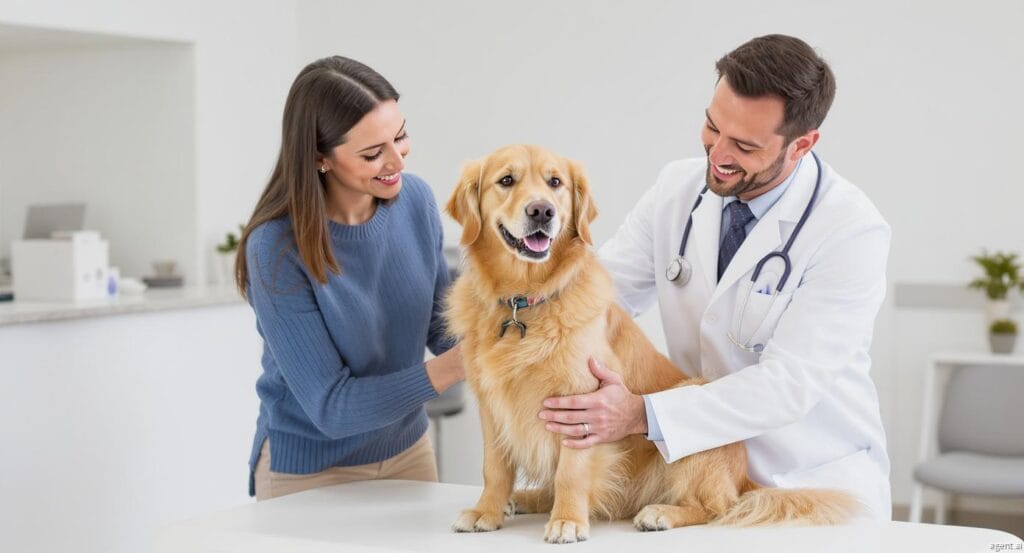
- Schedule annual (or more frequent, for older dogs) veterinary wellness exams.
- Include blood work, urine analysis, and dental examination—especially in breeds predisposed to issues.
- Establish a dental care routine: brushing, dental chews designed for dogs, and professional cleanings when recommended.
- Don’t delay when you notice symptoms: changes in appetite, weight, energy, mobility, or coat condition.
Addressing this mistake helps you catch problems early, interfering less with your dog’s quality and length of life.
Mistake 4: Choosing a breed without considering lifespan risks
Many dog owners mistake of choosing a breed without considering breed-specific dangers, based only on appearance or trend. This is a small but significant error on the part of the dog owner.
Why breed choice matters
- Studies show that skull shape (for example, flat-faced brachycephalic breeds) and body size are major determinants of life expectancy.
- For example, large or giant breeds often have lifespans significantly less than smaller breeds.
- Some breeds are predisposed to hereditary diseases (hip dysplasia, heart disease, and respiratory issues), which reduce lifespan if not well managed.
How to avoid
- Research breeds lifespans, common health issues, and what that means for care and cost.
- Choose a breed (or mixed breed) that fits your lifestyle, environment, and ability to provide care.
- If you adopt a flat-faced or giant breed, commit to the extra care and risk management needed.
- Talk to responsible breeders about health clearances and the lineage’s lifespan history.
By avoiding this choice-based dog owner mistake, you set your dog up with a better chance of a long life from the very start.
Mistake 5: Ignoring weight/condition changes as the dog ages
Another significant error is believing that you’re done once you’ve “got it right.” As dogs get older, their requirements vary, and it is a dog owner mistake to ignore these changes.
Why does this shorten lifespan
- Aging dogs metabolize differently, need different nutrition, and may slow down activity—if weight creeps up, it triggers health decline.
- Joint problems, organ stress, and decreased mobility are often linked to excess weight or loss of muscle mass.
- Research emphasizes the role of “body condition score” in longevity: maintaining optimal body condition appears to delay age-related disease.
How to avoid
- Re-evaluate your dog’s diet and exercise at life stage transitions (e.g., adult to senior).
- Use a body condition score chart: you should be able to feel ribs with slight cover and see a visible waist from above or the side.
- Adjust food quantity or exercise levels when you notice weight gain or loss.
- Speak to the vet about inflammation, mobility supplements, or lifestyle adjustments for aging dogs.
By staying proactive through each life stage, you help avoid the mistake of static care in a dynamic life.
Mistake 6: Lack of mental stimulation & socialization
Another dog owner error that lowers a dog’s quality and potentially quantity of life is to only take care of their body and not their mind.
Why this matters
- Dogs are social, intelligent animals—boredom, lack of stimulation, or isolation lead to stress, anxiety, and sometimes behavioural problems.
- Chronic stress can impact immune function, increase inflammation, and accelerate aging.
- A mentally engaged dog is more likely to maintain activity, responsiveness, and quality of life.
How to avoid
- Spend quality time daily: training sessions, interactive games, and new environments.
- Provide toys that require thinking (puzzle feeders, hide-and-seek).
- Socialize your dog with other dogs, people, and stimuli (in safe settings) to reduce fear, stress, or depression.
- Mix up the routine: new walking routes, new smells, and new play modes—variety keeps the brain active.
Correcting this mistake improves your dog’s emotional well-being and, therefore, overall health.
Mistake 7: Poor environment & sheltering from appropriate exposure
Sometimes, dog owners mistakes, such as overprotecting their pets, which prevents them from getting valuable exposure, or failing to notice some environmental threats.
Why does this shorten lifespan?
- Exposure to toxins (chemicals, heavy metals, secondhand smoke) or chronic exposure to extreme climate (heat stress, cold stress) can shorten lifespan.
- On the other hand, insufficient outdoor time and lack of fresh air, sunlight, and natural movement can degrade overall health.
- Dogs need safe but stimulating environments with freedom to move, fresh air, mental enrichment, and social interaction.
How to avoid
- Ensure your dog has a safe, clean, shaded area for rest; avoid overheating or cold stress.
- Avoid exposure to toxic substances (mold, pesticides, lead, smoke).
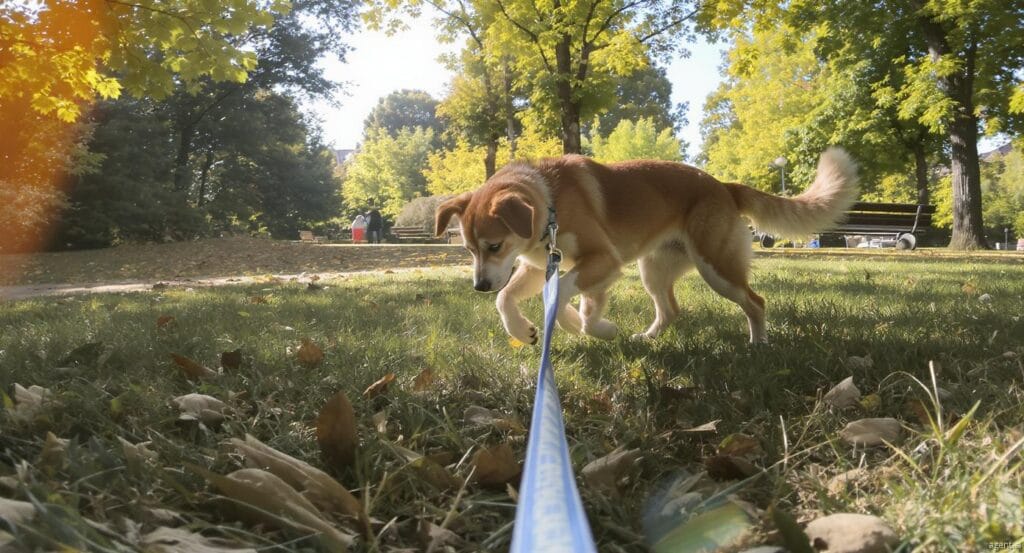
- Provide outdoor time (weather permitting) for fresh air, natural movement, and sunlight.
- Bring your home environment to splurge in both comfort and safe challenge: climbing steps, gentle hikes, and safe off-lead areas if your dog is trained.
By correcting environment-related dog owner mistakes, you support better health, stronger immunity, and longer life.
Also Read: Glycobalance Cat Food Review: Life-Changing Support for Cats—Yet Costly for Owners!
Mistake 8: Delaying prompt treatment of illness or injury
A critical yet often overlooked dog owner mistake: ignoring early signs of disease or injury, hoping it will “go away”.
Why does this halve your dog’s time?
- Early treatment of infections, injuries, or disorders often means simpler treatments and fewer long-term consequences.
- Delayed intervention can mean the difference between a manageable chronic condition and a life-threatening disease.
- For example, untreated dental disease can lead to heart disease; untreated joint problems can lead to immobility and weight gain.
How to avoid
- Know what is “normal” for your dog — energy level, appetite, stool, coat, mobility — so you can detect changes.
- Have a low threshold for contacting your veterinarian when something seems off (loss of appetite, limping, coughing, change in behaviour).
- Don’t dismiss “minor” issues: what seems small today may become serious tomorrow.
- Keep a vet contact line active and budget for unexpected care — early treatment often costs less and preserves more life.
By avoiding this mistake, you preserve more of those 2.5 years you don’t want to lose.
Mistake 9: Neglecting preventive care (vaccines, parasite control)
Skimping on the basics of preventive care is a dog owner mistake with big consequences.
Why this matters
- Infections, parasites (fleas, ticks, worms) can shorten your dog’s life via chronic damage, immune suppression, or disease.
- Preventive medicine is usually less expensive than treatment of advanced disease, and can protect lifespan.
How to avoid
- Follow a vaccination schedule recommended by your vet; ensure boosters are up-to-date.
- Use flea/tick/heartworm prevention consistently, especially in regions where these parasites are endemic.
- Have regular fecal/parasite screening if recommended (common in India and other regions).
- Keep your dog on a clean-living schedule (clean bedding, hygiene, safe walks, and avoid contact with stray/ill animals).
Correcting this mistake helps ensure your dog develops strong, healthy years rather than losing lifespan via preventable illness.
Also Read– Dog Grooming at Home: The Ultimate Guide to a Healthy and Happy Pet

Mistake 10: Failing to adapt as your dog enters senior years
When a dog enters its senior years, dog owners make mistake of continuing to treat it like a puppy.
Why does this shorten lifespan?
- Senior dogs have unique needs: lower calorie requirements, joint and mobility support, and mental enrichment adapted to age.
- If these needs aren’t met, you may see weight gain, stiffness, decreased mobility, and a higher risk of age-related disease.
- Longevity research emphasises the importance of life-stage appropriate care.
How to avoid
- Switch to a senior-formulated diet if recommended by your vet (often lower calories, more joint support, more digestible nutrients).
- Recognise when your dog enters its senior phase (this depends on breed and size — e.g., large breeds “senior” at a younger age).
- Increase focus on mobility: short, frequent walks, ramps/steps so the dog can access favourite spots without strain.
- Continue mental stimulation but adjust to avoid over-stress; gentle play, supervised socialisation, and cognitive puzzles.
- Monitor for early signs of age-related disease: arthritis, vision/hearing decline, cognitive changes, heart/kidney concerns.
By adapting care for your dog’s later years, you help preserve quality AND quantity of life.
Putting it all Together: A checklist for dog owners
Use this checklist to avoid the major dog owner mistakes discussed above. Make your dog owner routine more than just feeding & walking — make it smart care.
- Feed a balanced diet, monitor weight, and avoid over-feeding or “junk” treats.
- Provide regular exercise tailored to your dog’s breed/age.
- Schedule regular vet check-ups, including dental care and health screening.
- Choose a breed (or get your dog) with good lifespan potential and manageable health risks.
- Re-assess weight/body condition regularly; adapt diet & activity as dog ages.
- Offer both physical and mental stimulation; avoid boredom and isolation.
- Ensure a safe, clean, healthy environment with appropriate outdoor time.
- Act promptly on signs of illness or injury — don’t delay.
- Maintain preventive care, including vaccinations, parasite control, and hygiene.
- Transition smoothly into senior-care mode when your dog reaches this stage, considering diet, exercise, mobility, and mental health.
By following this checklist, you mitigate the major dog owner mistakes that shorten a dog’s lifespan — potentially reclaiming those 2.5 years (or more) for your beloved pet.
Why 2.5 years? Putting the number into perspective
The figure of 2.5 years may seem small at first, but for a dog, it is alarmingly significant. Many dog owner mistakes—like overfeeding, skipping exercise, neglecting vet checkups, or poor dental care—can slowly add up and negatively impact a dog’s overall health.
Medium-sized dogs typically live around 10–13 years, so losing 2.5 years is nearly a quarter of their life. This loss affects not just lifespan but also the quality of life, often accelerating conditions like obesity, arthritis, diabetes, heart disease, and cognitive decline.
Longevity is not just about genetics; it is heavily influenced by everyday choices. From diet and exercise to preventive care and mental stimulation, every decision counts. Understanding how dog owner mistakes can shorten life empowers owners to make better choices, giving their pets happier, healthier, and active years.
The 2.5-year figure is a wake-up call: avoiding common dog owner mistakes can transform a dog’s life, turning lost time into meaningful years of bonding and wellbeing.
Real-life stories & testimonials
Numerous owners have stated that their elderly dog regained energy and mobility and lived substantially longer than anticipated after making dietary changes, increasing activity, and getting regular veterinary checkups.
On the other hand, owners who failed to notice early indicators of dental disease, weight gain, or a reduction in mobility frequently lament that they “wished we’d acted sooner” since the dog’s health declined more quickly than anticipated.
These anecdotal reports support the findings of research that proactive treatment is important.
Final thoughts: Love your dog well
Only your time, care, healthy food, regular veterinary checkups, and a secure house are necessary for your dog to enjoy a long and healthy life. You can significantly increase the lifespan and quality of your dog’s life by recognizing and fixing the above dog owner mistakes.
Your dog is a member of your family, not just a pet. As long as they are with you, you have a duty to keep them healthy, reduce danger, and provide the best care possible. Eliminate “dog owner mistakes” from your life. Give your partner many more years to experience life’s little pleasures.
FAQs about dog owner mistakes and lifespan
Q. At what age should I start thinking about senior care for my dog?
A. It depends on breed size. Small breeds may be seniors at 8-9 years, medium at 7-8 years, and large breeds even earlier. Monitor for age-related signs (slower movement, needing more rest).
Q. Is breed the only thing that determines how long my dog lives?
A. No — breed and size set a baseline risk, but lifestyle, diet, preventive care, environment, and whether you avoid dog owner mistakes play a huge role.
Q. What weight is “overweight” for my dog?
A. Rather than relying on scale numbers, use body condition scoring: ribs should be palpable under light cover, you should see a waistline from above and side. If you cannot feel ribs or your dog has no visible waist, you may need to reduce feeding or increase exercise.
Q. Can dental care really affect how long my dog lives?
A. Yes — poor dental health leads to chronic inflammation, potential infection spreading to organs (heart, kidneys), which can shorten lifespan. So dental care is not a luxury; it’s essential.
Q. My dog is a small breed; does this mean it will automatically live longer?
A. Small breeds generally have longer lifespans, but only if they’re well cared for. If you still make multiple dog owner mistakes (poor diet, no exercise, no vet care), you can still lose years of life.