Introduction
As the chill of winter sets in and frosty winds start to bite, it’s time to focus on one of the most important duties of pet parenthood: how to keep your pet safe in winter. The cold season brings more than just snowflakes and cozy fires—it brings hidden dangers, from frostbite and hypothermia to toxic chemicals and lost pets. But it also brings opportunities: playing in the snow, snuggling warm, and sharing quiet moments indoors. By the end of this article, you’ll know powerful, actionable ways to keep your pet safe in winter and joyful—before the cold strikes too hard.
In this guide, we’ll cover everything you need: from understanding the risks to indoor comfort, outdoor preparation, special needs pets, and emergency readiness. Let’s dive in—so you and your furry companion can enjoy the season safely.
Understand the Cold-Weather Risks for Pets
To keep your pet safe in winter, you first need to understand what the threats are. The cold isn’t just uncomfortable—it can lead to real medical and safety dangers.
Frostbite and Hypothermia
Pets may experience hypothermia (a dangerously low body temperature) or frostbite (injury to skin and tissues) if they are exposed to cold temperatures for an extended period of time. The American Veterinary Medical Association (AVMA) lists shivering, whining, weak lumps on the ears or paws, and a tucked tail as symptoms. Your pet is most likely too cold if it’s too cold for you.
Paw, Skin & Coat Issues
A pet’s paws, skin, and coat can be harmed by snow, ice, salt, de-icers, and frigid air. Common problems include ice balls sticking to fur, cracked paw pads, and salt burns between toes. Additionally, dry indoor air can make skin flaky and irritated.
Toxic Hazards
Winter brings new hazards, antifreeze spills, de-icing chemicals, even cars and frozen ponds. Pets may lick salt or chemicals on their paws or slip through thin ice.
Outdoor Exposure & Shelter Needs
Pets kept outdoors (for whatever reason) face extra risk: wind chill, damp bedding, freezing water, and increased calorie needs. Shelters may become inadequate.
Getting Lost & Reduced Scent-Trails
In snow and ice, smells that normally help pets navigate can be masked—leading to more lost pets. The ASPCA warns that pets may wander off in winter and be harder to find.
Create a Warm, Safe Indoor Environment
One of the most effective ways to keep your pet safe in winter is by improving their indoor world—where they likely spend more time in the cold months.
Cozy Bedding & Draft-Free Areas
Make sure your pet’s bed is elevated off chilly flooring, away from outside walls and drafts. Use heated mats that are safe for pets or blankets (under supervision). Provide a draft-free shelter or a warm indoor access point for pets accustomed to being outside.
Humidify & Monitor Indoor Air
The skin, eyes, and coat of your pet may get irritated by dry indoor air. On extremely dry days, think about using a humidifier and look for symptoms of dry skin.
Carefully Introduce Space Heaters & Fireplaces
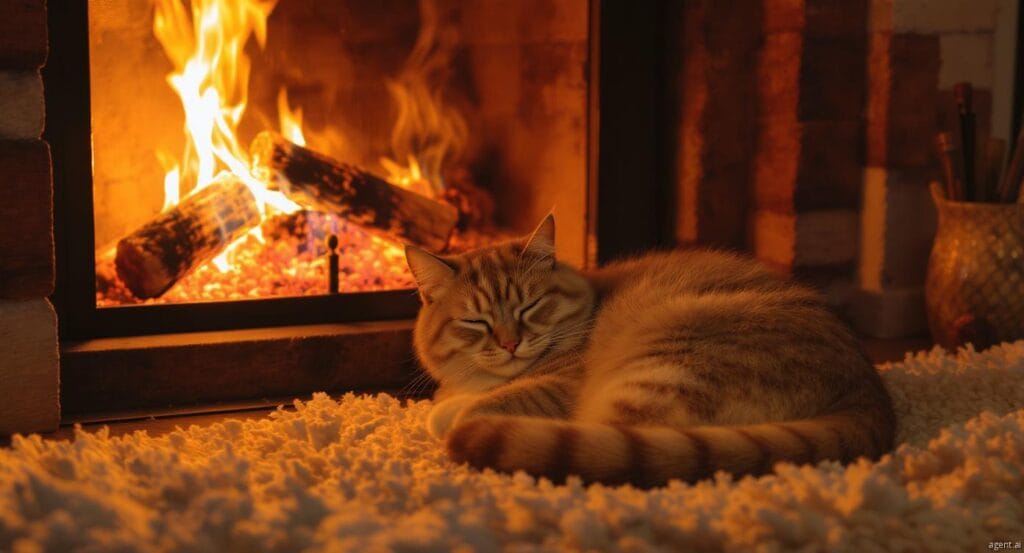
While warmth is welcome, space heaters and fireplaces pose risks (burns, fires). Keep pets at safe distances, supervise the use of electrical heaters, and ensure fire guards are in place.
Provide Extra Comfort & Enrichment
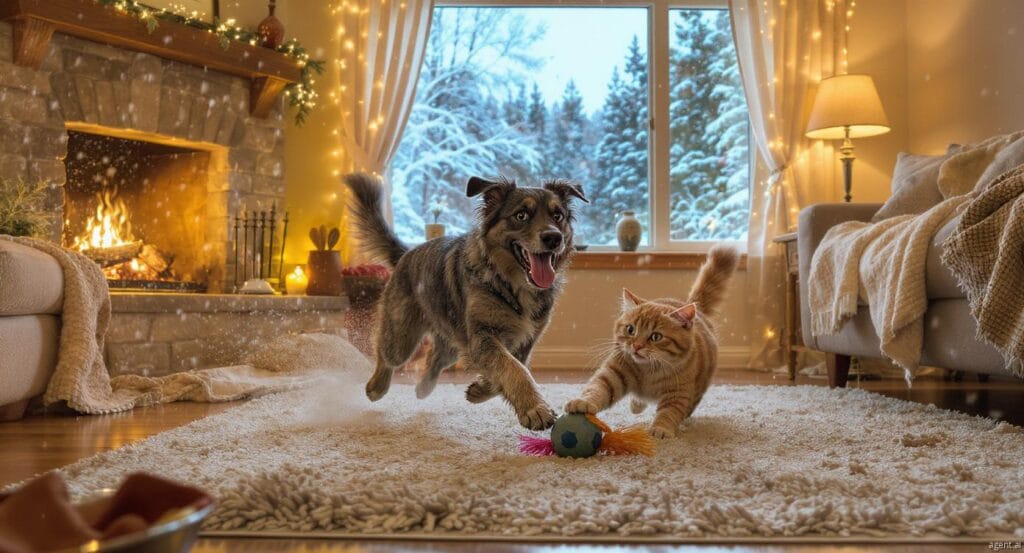
Walks are frequently shorter in the winter. Give your pet more affection, cerebral stimulation (puzzles, toys), and indoor playtime. A contented pet is better safeguarded.
Additionally, relocate rugs or furniture to allow for safe mobility for elderly or arthritic pets (cold adds stiffness).
Also Read: Glycobalance Cat Food Review: Life-Changing Support for Cats—Yet Costly for Owners!
Smart Outdoor Tips: Walks, Protection & Play
Even in winter, you’ll want to let your pet stretch and play—but with some smart precautions to keep your pet safe in winter outdoors.
Limit Outdoor Time & Layer Up
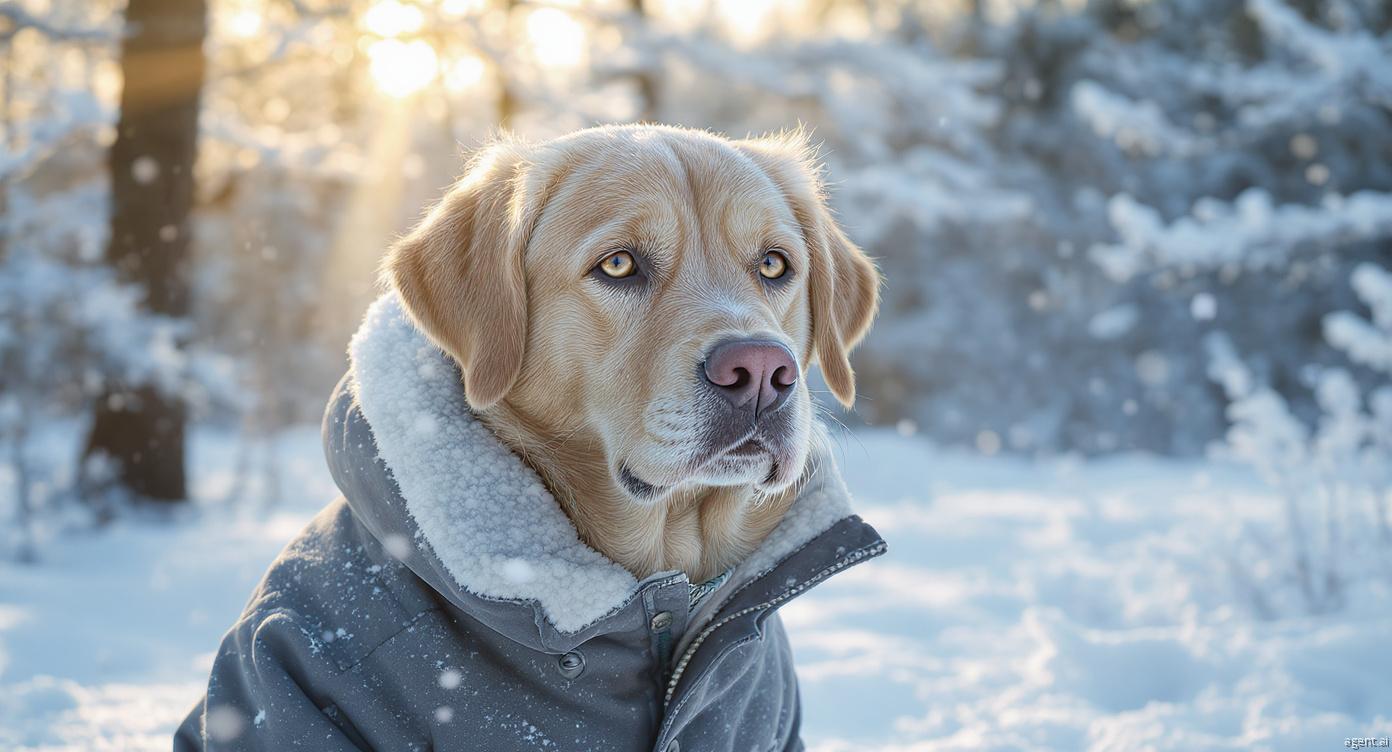
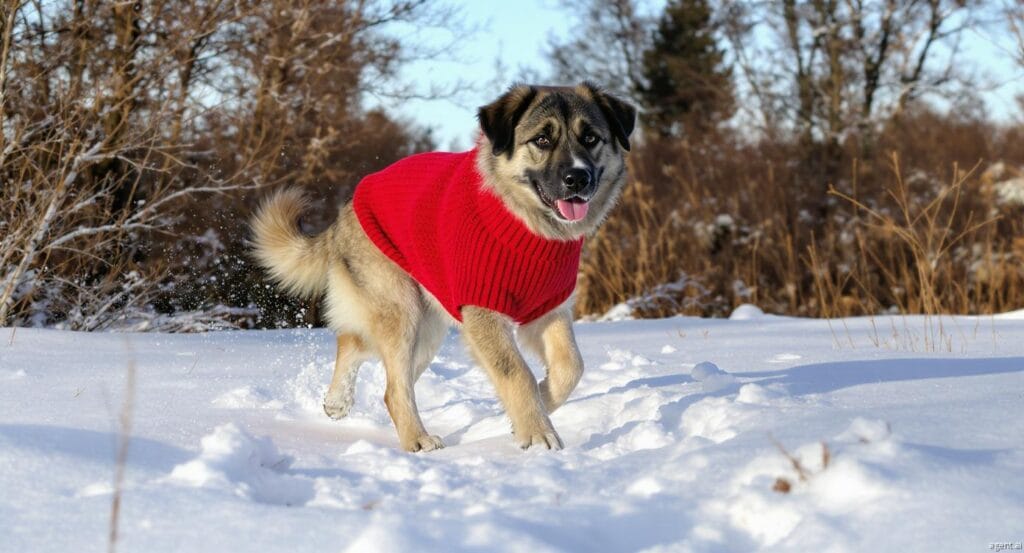
If you’re outside and you feel cold, your pet likely does too. Limit the time outdoors, especially for short-haired, small-breed, senior, or sick pets. Use coats or sweaters for short-haired pets; trimmed fur should not be shaved too short.
Protect Paws, Legs & Belly
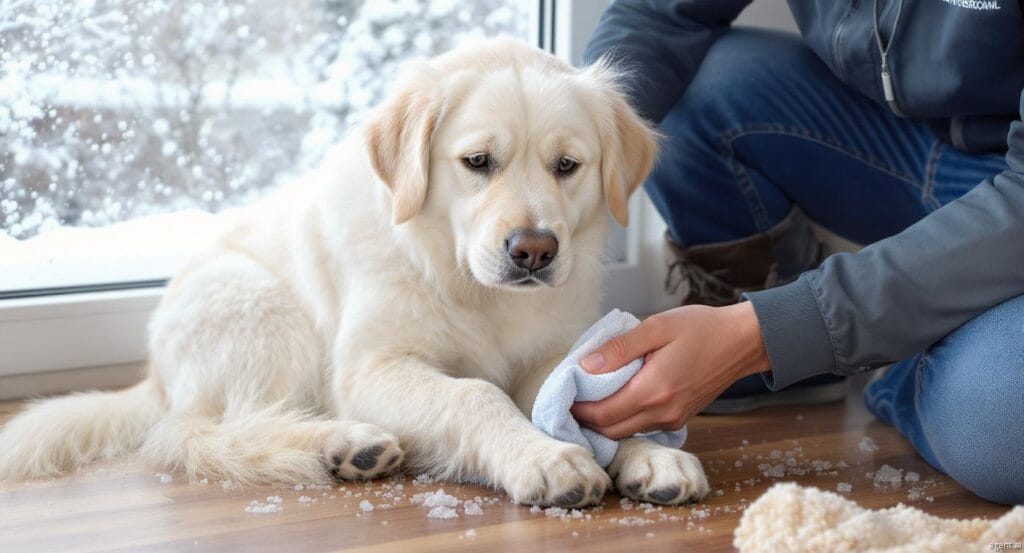
Apply petroleum jelly or paw balm to your paw pads before you go; booties can help prevent injuries from salt and ice. To get rid of salt or chemicals, wash and dry your legs, tummy, and paws after the stroll. Look for discomfort or cracking between the toes.
Be Cautious Around Frozen Water & Ice
Avoid letting pets walk on frozen ponds or lakes—ice may be too thin. Keep pets on a leash near water in winter. Also, clear snow/ice from pathways to help mobility for both you and your pet.
Visibility & Loss Prevention
Due to shorter daylight, walks outside may take place around dusk or at night. Make sure your pet’s identity is current (microchip + tag), wear reflective gear, and keep them on a leash. Scents that typically lead them home can be obscured by snow.
Nutrition & Hydration
Pets that spend time outside may need more calories during winter to stay warm; provide fresh unfrozen water (not snow) and monitor intake. Indoors, pets might be less active, so adjust food accordingly to prevent weight gain.
Special Cases: Puppies, Seniors, Short-Coated Breeds & Outdoor Pets
Some pets face extra risk in winter. To keep your pet safe in winter, tailor your approach if they fall into one of these categories.
Puppies & Kittens
Young animals cannot regulate their body temperature as well. Limit cold exposure, provide plenty of warmth, keep active indoors, and monitor for signs of cold stress (shivering, lethargy).
Shelters outside must be well insulated.
Senior Pets & Pets with Chronic Conditions
Pets who suffer from heart disease, kidney problems, arthritis, or mobility impairments are more susceptible to coldness, stiffness, falls, or slips. Use non-slip mats or carpets, minimize outside space, provide warm sleeping areas, and think about inside walking alternatives.
Short-Coated / Small Breeds
These pets have less natural insulation. Sweaters/coats are especially useful. Also, protect their paws and avoid prolonged outdoor time.
Also Read– Dog Grooming at Home: The Ultimate Guide to a Healthy and Happy Pet
Outdoor-Living Pets
If your pet must stay outside (though indoor is always preferable):
- Provide an insulated, draft-free shelter raised off the ground.
- Use straw (not blankets/hay) for bedding because hay/blankets may freeze when wet.
- Keep the water bowl unfrozen (use a heated bowl if possible), and increase calorie intake.
But ideally, bring pets in when temperatures drop dramatically.
Chemical & Environmental Hazards—Don’t Overlook Them!
To truly keep your pet safe in winter, you must also consider hidden hazards that are common in the cold season.
Antifreeze & De-icing Products
Antifreeze (ethylene glycol) has a sweet taste that can attract pets, but it is toxic—even small amounts are dangerous. De-icing salts and chemicals stuck to paws can irritate skin and get licked off and ingested. Use pet-safe alternatives and wipe paws after walks.
Cars & Engine Spaces
Occasionally, cats seek shelter under the hood of a warm car and sustain injuries when the engine starts. Before beginning, inspect or knock on the hood. In chilly weather, avoid leaving pets alone in a car as this might function as a refrigerator and cause hypothermia.
Frozen Water & Snow Hazards
Snow may conceal hazards like thin ice, chemicals, puddles, or drop-offs. Avoid letting pets drink from snow or frozen puddles. Also, sharp ice crystals can lodge in fur between toes—keep those areas trimmed.
Emergency Preparedness: Be Proactive
When you’re ready to keep your pet safe in winter, you should also prepare for emergencies—storms, power outages, getting lost, or exposure.
Winter Emergency Kit for Pets
- Maintain 3–5 days of pet food and fresh water.
- First-aid items: gauze, bandages, tweezers, and antiseptic.
- Extra blankets, a warm bed, and a portable heater (pet-safe).
- Copy of vaccination records, identification info, and microchip number.
- Extra collar/leash and reflective gear for low light.
Recognize Signs of Cold-Stress
Watch for symptoms of your pet’s distress, such as shivering, whining, sluggish movements, lifting paws off chilly surfaces, and a reluctance to walk. See a veterinarian right away if you think you may have frostbite or hypothermia (blue or gray skin, swelling, rigid limbs).
Plan for Storms & Power Outages
Have a fallback plan: where does your pet sleep if the heat goes out? Can you keep the pet warm for 24+ hours? During heavy snowfall or low visibility, skip outdoor time or shorten it, especially with high-risk pets.
Bringing Joy to Winter—Make It Fun & Safe
Beyond survival and safety, how do you keep your pet joyful during winter? Because happiness and well-being matter just as much.
Winter Play & Exercise Indoors
Less fun does not equate to shorter days. Use interactive feeding, training, toys, and indoor games. Keep your pet’s mind and body active and fight boredom.
When you’re outside, take a walk when the sun is shining, play fetch in a yard that has been cleared, and take advantage of the snow (if your breed likes it), but keep an eye out for indications of weariness and cold.
Create Cozy Rituals
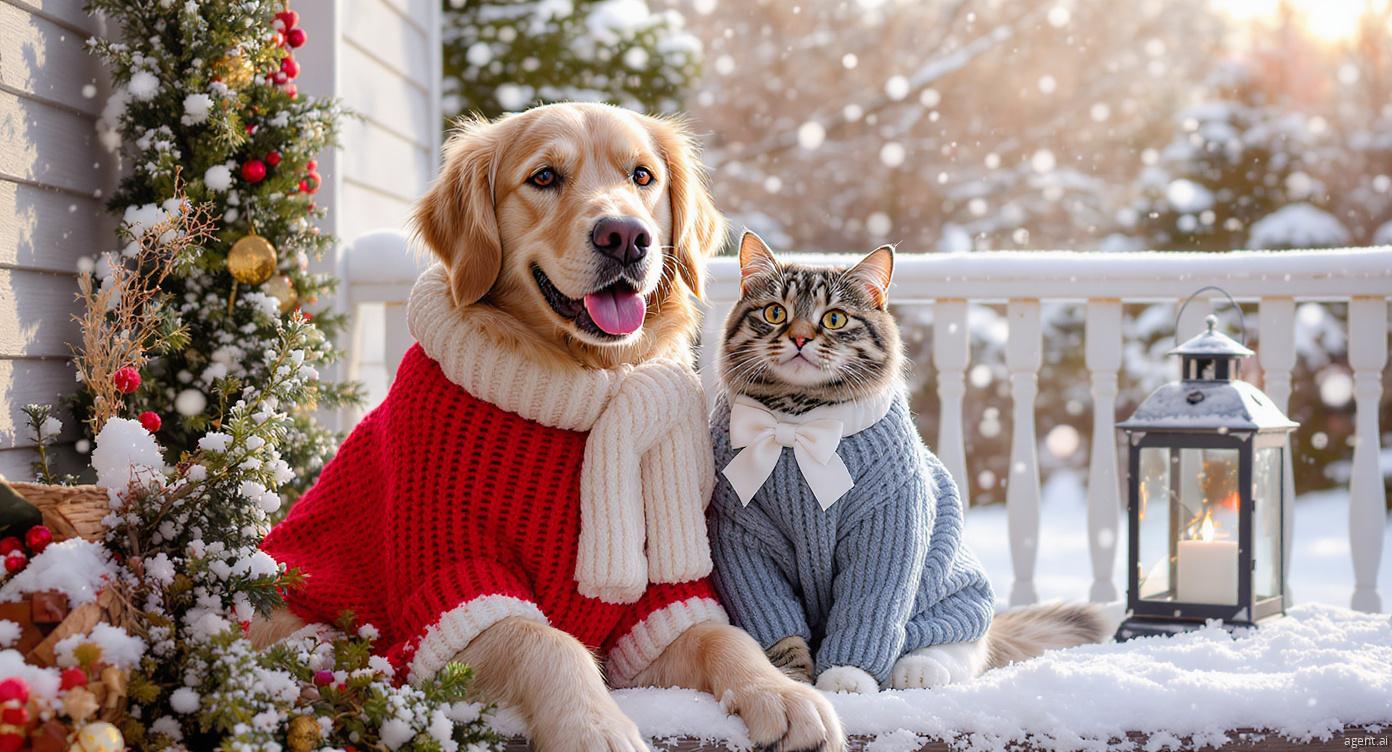
Let winter become a bonding season—warm blankets, cuddles, brushing fur, checking paws together, and prepping a special winter toy. Change the sleeping spot to a comfy, warm place near you. Let your pet feel part of the hearth and home.
Celebrate with Seasonal Safety
Use the season to teach your pet new routines: wear their winter coat, practice clean paws after each excursion, and try indoor enrichment. Make safety part of fun: “After our paw-wipe, we do zoomies inside.” Recognizing the season and adapting your pet’s lifestyle helps them thrive.
Summary Checklist: Keeping Your Pet Safe in Winter
Here’s a practical checklist to help you keep your pet safe in winter—print it, save it, revisit often:
- Monitor outdoor temperature & wind-chill; if too cold for you, bring the pet inside.
- Insulated, raised bedding for indoor pets; draft-free zone.
- Limit outdoor time for high-risk pets (young, senior, short-haired).
- Use pet clothing/coats/booties as appropriate.
- Clean paws, belly and legs after each outdoor walk.
- Provide fresh, unfrozen water; adjust calorie intake.
- Use pet-safe de-icers; avoid antifreeze exposure.
- Ensure identification is up to date (ID tag + microchip).
- Prepare a winter emergency kit, food, water, first-aid, and blankets.
- Create indoor enrichment and bonding time to keep spirits high.
Conclusion
By putting these strategies into action, you will not only help your pet survive the winter—you’ll help them thrive in it. With warmth, care, vigilance, and joy, you and your beloved companion can navigate the cold season safely, happily, and together.
Remember: the goal is to keep your pet safe in winter and to enjoy the magic of the season side by side.
Happy winter to you both! 🐾