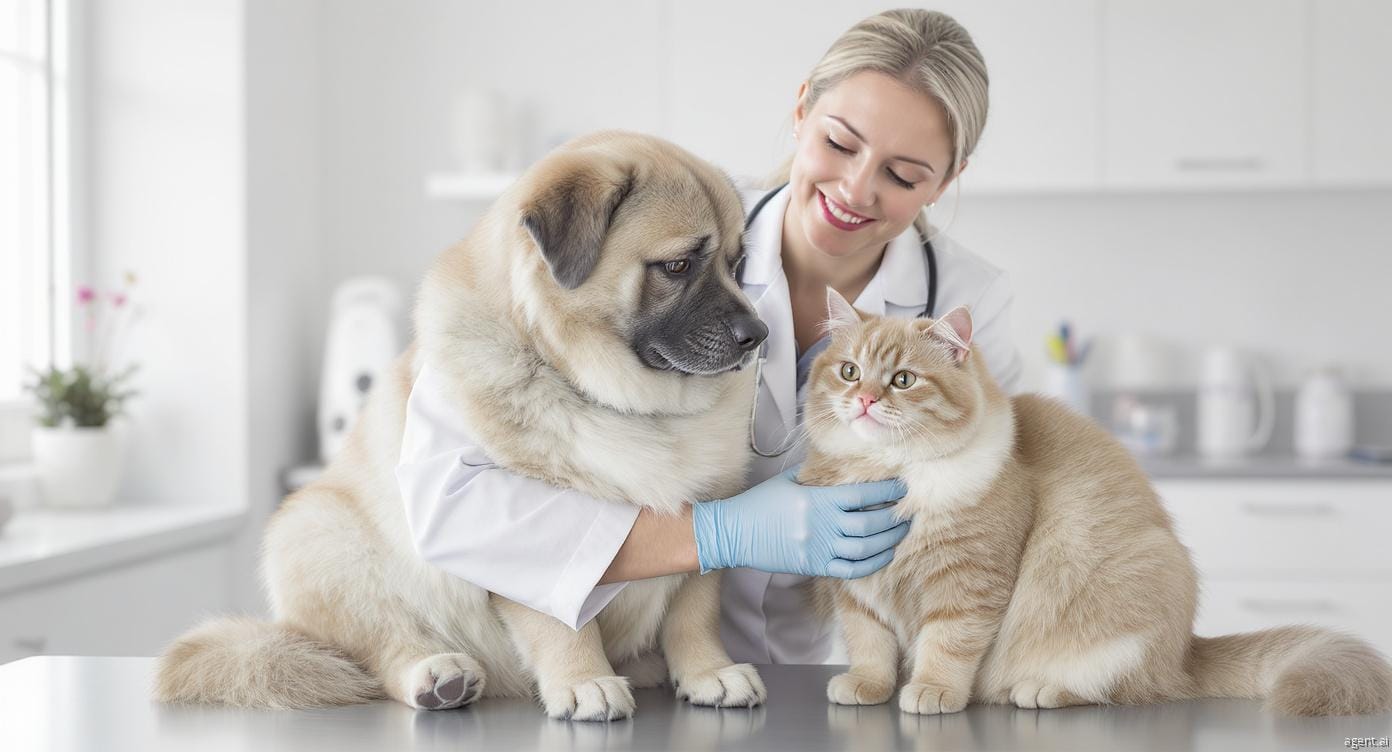
Introduction: The Hidden Weight Problem Among Pets
In today’s world, it’s easy to spoil our furry friends. Whether it’s an extra treat, table scraps, or too little playtime, many pets are now carrying more weight than they should. According to recent studies, over 50% of dogs and cats are considered overweight or obese.
A little extra fat may look cute, but it can lead to serious health issues, joint pain, diabetes, heart disease, and even a shorter lifespan. If you’ve ever looked at your pet and wondered, “Is my furry friend overweight?” you’re not alone. The good news? Helping your pet lose weight doesn’t have to be difficult or stressful.
This guide covers 10 proven, vet-approved strategies to help your pet get fit, feel energetic, and live a longer, healthier life.

1. Start with a Professional Pet Health Check
Before you begin any weight-loss plan, it’s essential to consult a veterinarian. Sometimes, weight gain is a sign of underlying health problems like thyroid imbalance or hormonal issues.
A professional checkup will help you:
- Determine your pet’s ideal weight range
- Identify any medical conditions
- Create a personalized diet and exercise plan
Your vet can also recommend safe weight-loss foods and supplements. Starting with expert guidance prevents mistakes and ensures your furry friend’s safety.
Measure Meals, Don’t Guess
The main cause of dog and cat weight increase is overfeeding. Even a few more bites can add hundreds of calories per week, but most pet owners just “eyeball” portions.
Use an accurate digital scale or measuring cup to correct this. Examine the feeding recommendations on your pet’s food label, but keep in mind that these are only averages. The requirements of your dog and cat vary depending on their age, breed, and degree of activity.
Pro Tip: Rather than having one big meal a day, divide it into two or three smaller meals. This lessens begging behavior and stabilizes energy levels.
3. Choose the Right Pet Food Formula
Not all dog and cat foods are equal. High-quality formulas with lean proteins, complex carbohydrates, and essential fats help your furry friend feel full longer. Avoid foods with fillers, artificial flavors, and excessive fats.
Look for:
- “Weight management” or “light” labeled foods
- High-protein, low-fat recipes
- Fiber-rich ingredients like sweet potatoes or pumpkin
For cats, choose high-protein wet food to increase hydration and reduce overeating. For dogs, lean meats like chicken or turkey are ideal.

Healthy Furry Friend Diet Chart for Safe Weight Loss
A balanced diet is the foundation of a healthy, happy pet. The right blend of protein, fiber, and healthy fats helps your dog or cat lose weight naturally without losing muscle or energy. Below is a vet-inspired diet chart designed for gradual, sustainable results.
For Dogs
| Mealtime | Food Type | Portion Guide (per 10 kg weight) | Benefits |
|---|---|---|---|
| Morning (Breakfast) | Cooked chicken or turkey (boneless, skinless) + small portion of brown rice + steamed vegetables (carrot, spinach, peas) | ½–¾ cup total | Lean protein builds muscle, fiber supports digestion, and veggies add vitamins. |
| Midday Snack | Low-fat yogurt or 1–2 baby carrots | Small serving | Supports gut health and provides low-calorie satisfaction. |
| Evening (Dinner) | Boiled fish or eggs + sweet potato mash + a small spoon of olive or flaxseed oil | ¾ cup total | Omega-3 oils improve skin, coat, and metabolism. |
| Occasional Treat (2–3× per week) | Baked pumpkin bites or small apple pieces | 1–2 small cubes | Natural sweetness, low calories, rich in antioxidants. |
Notes for Dog Owners
- Avoid fried food, butter, bread, and salty snacks.
- Always provide fresh, clean water.
- Use measured portions to prevent overfeeding.
- Gradually switch diets (over 7 days) to avoid stomach upset.
For Cats
| Mealtime | Food Type | Portion Guide (per 4 kg weight) | Benefits |
|---|---|---|---|
| Morning (Breakfast) | High-protein wet food (chicken, turkey, or tuna) + teaspoon pumpkin puree | 80–100 g total | Keeps your cat hydrated and supports gentle digestion. |
| Midday Snack | Freeze-dried meat treat or a spoon of unsalted tuna water | Small serving | Adds flavor variety without extra calories. |
| Evening (Dinner) | Boiled fish or lean poultry with steamed pumpkin or peas | 70–90 g total | Low-fat, fiber-rich, and perfect for a slow calorie burn. |
| Occasional Treat (2× per week) | Tiny bits of cooked egg white | 1–2 tsp | Extra protein, minimal fat. |
Notes for Cat Owners
- Avoid milk, bread, or oily fish daily (causes digestive upset).
- Encourage playtime before meals to boost metabolism.
- Use puzzle feeders to slow eating and engage instincts.
- Mix a few teaspoons of warm water with meals for better hydration.
Universal Healthy Pet Diet Tips
- Always check calories and ingredients on dog and cat food packaging.
- Combine wet and dry food for balanced nutrition.
- Use vet-approved supplements (like omega-3 oils or probiotics) if needed.
- Maintain a consistent feeding schedule to regulate metabolism.
- Avoid giving table scraps most human food is high in salt and fat.
Vet’s Note
“Healthy weight loss isn’t about eating less it’s about feeding smarter. A nutritious, portion-controlled diet keeps your pet satisfied, active, and protected from long-term health problems.”
4. Limit Treats But Don’t Eliminate Them
Treats are love, but too many can sabotage your pet’s progress. Treats should make up no more than 10% of your furry friend‘s daily calories.
Replace high-calorie snacks with healthier options such as
- Small pieces of carrot or apple (for dogs)
- Freeze-dried meat bites (for cats)
- Homemade treats using low-fat ingredients
Pro Tip: Break larger treats into tiny pieces. Your pet won’t notice the size difference—only the attention and praise.
Also Read: White Iberian Lynx: Rare Discovery and Conservation Success
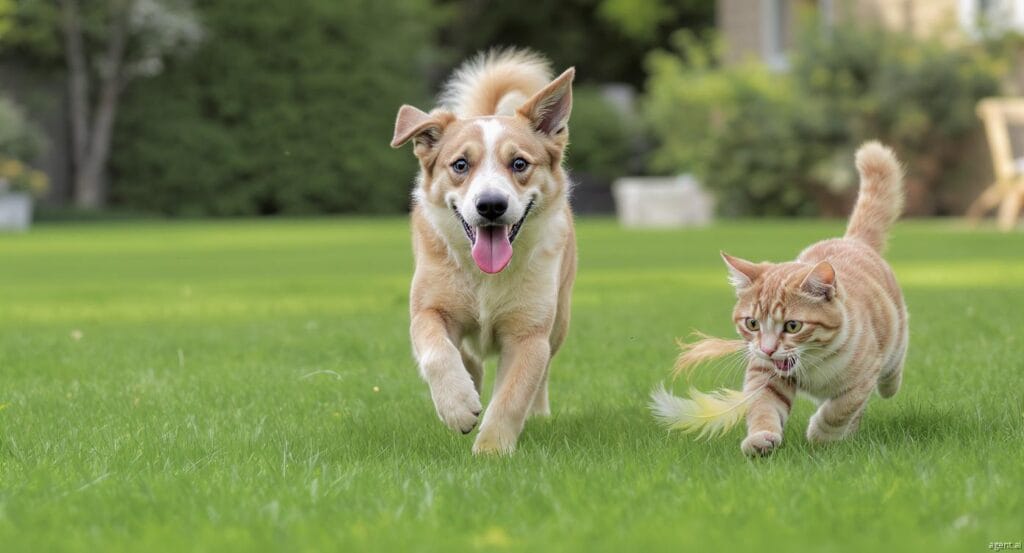
5. Encourage Daily Exercise and Play
Exercise is the cornerstone of any pet weight-loss plan. It burns calories, strengthens muscles, and improves mood.
For dogs, aim for at least 30–60 minutes of activity daily, such as:
- Brisk walks or jogs
- Fetch or agility training
- Swimming (gentle on joints)
For cats, make playtime fun with:
- Laser pointers
- Feather wands
- Climbing towers and puzzle feeders
Consistency is key. Even 10 minutes of extra play per day can make a big difference over time.
6. Track Progress and Celebrate Small Wins
Just like humans, your furry friend needs motivation, and so do owners! Track your pet’s weight every 2–4 weeks using a pet scale or vet check-up.
Notice changes in:
- Waistline shape
- Energy levels
- Mobility and mood
Celebrate small victories! Take progress photos or reward your pet with a new toy (not food). These milestones keep you committed and positive.
7. Avoid “Free Feeding.”
Leaving food out all day might seem convenient, but it encourages overeating, especially in cats. Instead, use scheduled feeding times to build healthy habits.
For multi-pet homes, feed pets separately to prevent food stealing. You can also use smart feeders that portion out meals automatically.
8. Hydration: The Forgotten Weight-Loss Tool
Water plays a huge role in digestion, metabolism, and overall health. Sometimes, pets mistake thirst for hunger and overeat as a result.
Keep fresh water available 24/7, and for cats, consider a pet fountain to encourage drinking. If your pet eats mostly dry food, adding a splash of warm water can also help.
9. Make Mental Enrichment Part of Weight Loss
Bored pets often turn to food for entertainment. Engaging their minds can reduce stress eating and increase movement.
Try these mental workouts:
- Puzzle feeders and treat-dispensing toys
- Hide-and-seek games
- Training new commands or tricks
These not only burn calories but also strengthen your bond with your pet.
10. Stay Consistent and Patient
Pet weight loss takes time; usually, 1–2% of body weight per week is a healthy rate. Don’t expect overnight changes. The goal is long-term wellness, not quick fixes.
If you slip up, don’t give up. Refocus, adjust meal portions, or increase activity. Your patience and consistency will pay off with a healthier, happier companion.
Common Mistakes to Avoid
The VCA Animal Hospitals explain that many owners mistake excess weight for “cuteness,” unaware of the long-term health risks.
- Feeding human leftovers: too many calories and unhealthy fats.
- Skipping vet checkups: You might miss early signs of illness.
- Over-restricting calories: Can harm your pet’s metabolism and mood.
- Comparing with other pets: Each animal’s body is unique.
Also Read: Shocking Dog Owner Mistakes That Secretly Cut Years Off Your Dog’s Lifespan
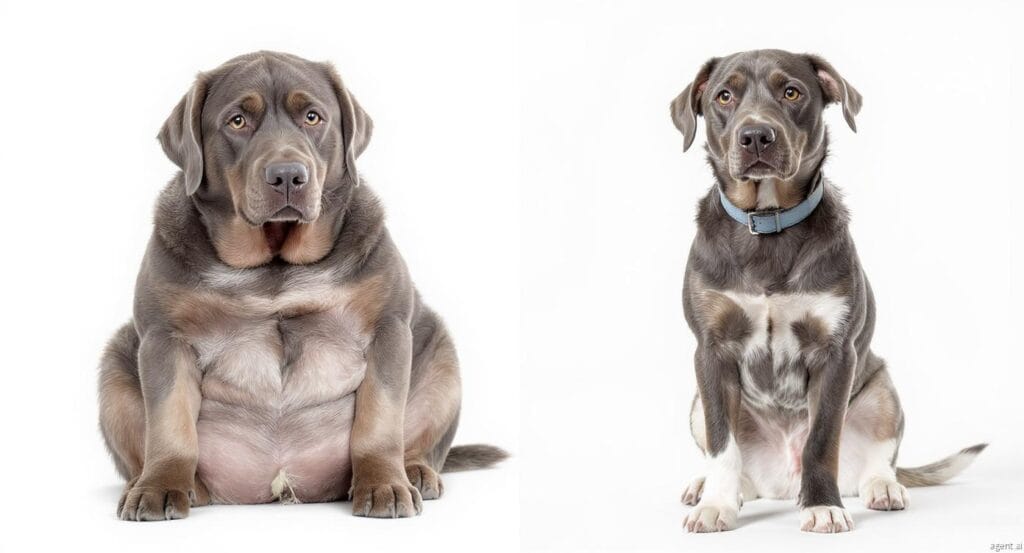
Real-Life Example: Max and Luna’s Transformation
At 90 pounds, Max, a 6-year-old Golden Retriever, was considered obese by his veterinarian. Four-year-old indoor cat Luna had also put on three pounds in a single year. Their owner decided to act.
Both pets shed a substantial amount of weight in three months after moving to portioned meals, giving Max daily walks, and utilizing interactive feeders for Luna. More significantly, they became active, fun, and energetic again.
Their experience demonstrates that, with the correct strategy and perseverance, any pet can become fit.
The Emotional Side of Pet Weight Loss
Reducing your Dog and cat treats or switching their diet can make you feel bad, but keep in mind that you’re safeguarding their health rather than depriving them. A happy pet is healthy. The true benefits of your work will be fewer veterinary appointments, more mobility, and longer snuggle years in the future.
Long-Term Maintenance Tips
Once your pet reaches a healthy weight, keep the routine going:
- Continue portion control
- Weigh monthly
- Maintain daily exercise
- Offer praise and affection over treats
Sustaining balance is easier than starting over. Treat it as a lifelong wellness lifestyle.
Conclusion: A Healthier Future for Every Pet
Helping your pet lose weight isn’t just about numbers; it’s about giving them the gift of vitality. With the right nutrition, exercise, and consistency, you can transform your pet’s health without stress or guilt.
Remember, small changes add up. Every walk, every measured meal, and every playful moment matters.
Your furry friend trusts you to make the best decisions for their well-being, and now, you have the tools to make that happen.
Frequently Asked Questions (FAQ)
1. How do I know if my furry friend is overweight?
You can gently feel your Pet’s ribs; if you can’t feel them easily or see a defined waistline, your Pet may be overweight. Your vet can confirm this using a body condition score.
2. What is the safest way to help my dog and cat lose weight?
A combination of portion control, daily exercise, and a balanced, vet-approved diet works best. Always make changes gradually and avoid starving your Pet.
3. How much exercise does my Pet need every day?
Dogs generally need 30–60 minutes of activity daily, while cats benefit from two or three 10-minute play sessions using toys, climbing trees, or interactive games.
4. Can I feed my Pet homemade food for weight loss?
Yes, but it must be balanced. Include lean proteins like chicken or fish, fiber-rich veggies, and a small amount of healthy fat. Avoid salt, spices, or fried food.
5. What are the best low-calorie treats for Pets?
Dogs can enjoy carrot sticks, apple slices, or pumpkin cubes. Cats can have freeze-dried chicken, tuna flakes, or a spoonful of unsalted tuna water as an occasional treat.
6. How long does it take for a furry friend to lose weight?
Most Pets lose weight safely at a rate of 1–2% of their body weight per week. Visible results usually appear within 8–12 weeks of consistent diet and exercise.
7. Should I switch to a “weight management” food brand?
Yes, if your vet suggests it. Weight-control formulas have fewer calories, more protein, and higher fiber to help your Pet feel full while losing fat.
8. How can I stop my Dog and cat from begging for food?
Feed smaller meals more often, distract them with toys, and stick to a routine. Never feed from your plate, as it reinforces begging behavior.
9. Can older Pets lose weight safely?
Yes, but older Pets need a slower, gentler approach. Use low-impact exercises like short walks or indoor play and a nutrient-dense, low-fat diet.
10. How can I maintain my furry friend’s weight after reaching the goal?
Continue measuring food portions, encourage daily play, and do monthly weight checks. A stable routine is key to keeping your furry friend healthy long-term.
Also Read: The Truth About Chamomile for Dogs: Powerful Calm or Hidden Risk?