Introduction
Dogs are more than pets, they’re family. But unlike humans, dogs can’t tell us when something hurts or when they feel unwell. That’s why understanding the warning signs in dogs is one of the most important responsibilities of a pet parent.
Veterinarians often emphasize that early detection can mean the difference between a quick recovery and a medical emergency. Many serious illnesses begin quietly, a skipped meal here, a little cough there, until the situation suddenly becomes critical. (For more expert information on common dog health issues, visit the American Kennel Club’s official health guide).
In this guide, you’ll discover the 10 most critical warning signs in dogs, how to recognize them early, what they could mean, and when you should contact your vet.
Also Read: 10 Proven Ways to Help Your Pet Lose Weight Fast Without Stress or Guilt
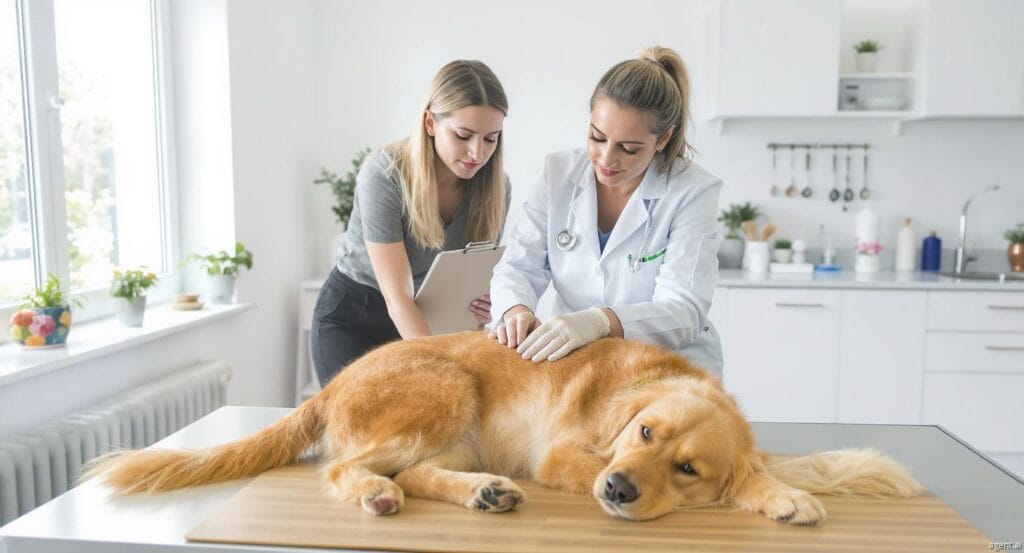
1. Loss of Appetite, When Skipping a Meal Isn’t Normal
Most dogs are enthusiastic eaters, so when your pup refuses food, take notice. A temporary appetite dip could be due to minor stomach upset or stress, but prolonged refusal to eat is often a warning sign in dogs of something serious.
Possible Causes:
- Dental Pain: Broken teeth, gum infections, or oral tumors can make chewing painful.
- Digestive Issues: Gastritis, pancreatitis, or intestinal blockage.
- Organ Problems: Liver or kidney disease often suppresses appetite.
- Emotional Stress: New environments or separation anxiety can reduce hunger.
When to Act:
If your dog skips meals for more than 24 hours (or 12 for puppies) or vomits without eating, it’s time for a vet visit. Loss of appetite is one of the earliest clues that your dog’s health is off-balance.
Tip:
Monitor how much food your dog actually eats. Sometimes, dogs pretend to eat or hide food if they feel sick, subtle signs that something deeper may be wrong.
2. Excessive Thirst or Frequent Urination A Hidden Red Flag
Your dog suddenly drinking bowl after bowl of water might seem harmless, but persistent thirst (polydipsia) and increased urination (polyuria) are often early warning signs in dogs of major diseases.
Possible Causes:
- Diabetes Mellitus: The most common cause; dogs drink to flush excess sugar.
- Kidney Disease: The kidneys lose their ability to concentrate urine.
- Cushing’s Disease: A hormonal disorder that increases thirst and urination.
- Urinary Tract Infection (UTI): Frequent peeing with small amounts.
Vet Insight:
If your dog is emptying their water bowl multiple times a day or waking at night to urinate, don’t ignore it. These symptoms can indicate chronic conditions that need immediate management.
Prevention:
Provide fresh water daily, but never restrict access. Instead, record water intake and share this with your vet — it helps pinpoint the underlying issue.
3. Persistent Coughing or Labored Breathing More Than “Just a Cold”
Coughing can range from mild to alarming. Occasional coughs may be caused by allergies, but constant coughing, wheezing, or rapid breathing signals a deeper issue.
Common Causes:
- Heart Disease: Fluid buildup in the lungs due to congestive heart failure.
- Kennel Cough: A contagious respiratory infection common in social dogs.
- Tracheal Collapse: Common in small breeds like Pomeranians or Yorkies.
- Pneumonia or Lung Tumors: Often accompanied by fever and fatigue.
Warning Signs to Act On:
- Blue or pale gums (lack of oxygen)
- Cough worsens at night or during rest
- Breathing through the mouth constantly
Action Plan:
Seek emergency vet care if your dog is struggling to breathe, gasping, or has blue gums. Respiratory distress is one of the most dangerous warning signs in dogs and can escalate quickly.
4. Abnormal Stool or Bowel Changes Your Dog’s Health Mirror
Your dog’s poop can reveal a lot. Healthy stool should be firm, brown, and easy to pick up. If it’s runny, bloody, black, or overly hard, it’s your cue to pay attention.
Red Flags:
- Black or Tarry Stool: May signal internal bleeding.
- Bloody Diarrhea: Could indicate infection, parasites, or toxicity.
- Persistent Diarrhea: May lead to dehydration quickly.
- Constipation: Can mean dehydration, diet imbalance, or colon blockage.
When to Call the Vet:
If abnormal stool persists for more than 48 hours, or if your dog shows weakness or vomiting, schedule an exam. Chronic digestive issues are never “normal.”
Prevention:
Feed a balanced diet rich in fiber and probiotics. Regular deworming and hydration help maintain gut health and avoid many warning signs in dogs.
Also Read: White Iberian Lynx: Rare Discovery and Conservation Success
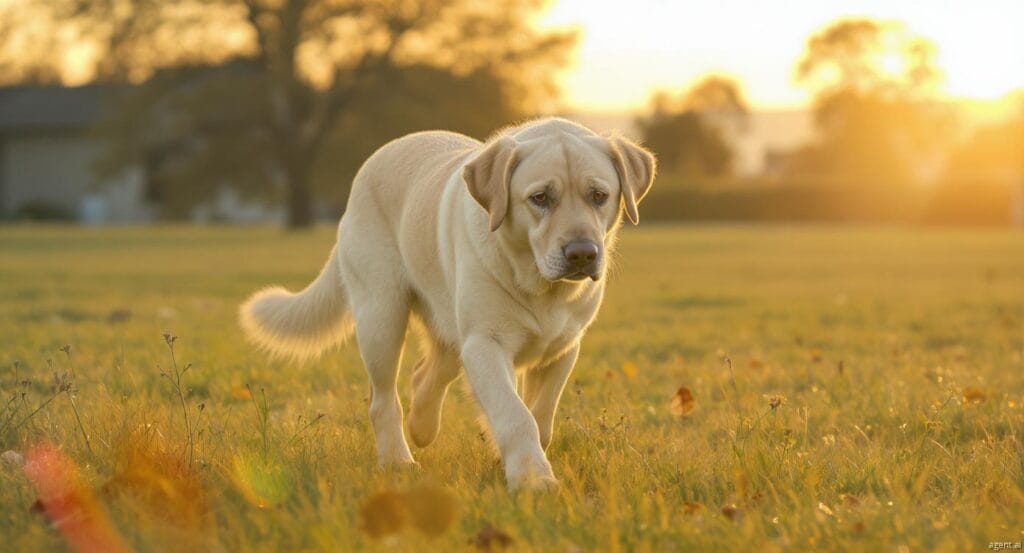
5. Limping or Trouble Moving Pain Isn’t Always Visible
It’s heartbreaking to see your dog limp or hesitate to climb stairs. While aging can cause stiffness, sudden or worsening lameness could mean:
Common Causes:
- Joint Diseases: Arthritis, hip dysplasia, or degenerative joint disease.
- Injuries: Torn ligaments, sprains, or fractures.
- Neurological Problems: Spinal disc issues or nerve compression.
- Lyme Disease: From tick bites, causing shifting leg pain.
Signs to Watch:
- Reluctance to jump or run
- Whimpering when touched
- Swelling or licking a specific limb
Vet Insight:
Don’t assume your senior dog is “just old.” Modern veterinary treatments, from pain relief to physical therapy, can vastly improve mobility and quality of life.
Eye Changes Redness, Cloudiness, or Discharge
Eyes can reveal everything from infections to systemic disease. Red, swollen, or cloudy eyes are major warning signs in dogs that need attention.
Possible Causes:
- Conjunctivitis (Pink Eye): Caused by allergies or bacteria.
- Glaucoma: High pressure that causes pain and vision loss.
- Cataracts: Cloudy lenses, common in diabetic dogs.
- Corneal Ulcers: Scratches or trauma to the eye.
Home Tip:
Never use human eye drops on your dog. Instead, gently clean discharge with a soft, damp cloth and consult a vet. Eye problems can worsen within hours.
7. Bad Breath or Excessive Drooling: A Mouthful of Clues
That stinky breath could be telling you something serious. While a mild odor is normal, foul or metallic-smelling breath can indicate:
- Gum infections (periodontitis)
- Tooth decay or abscess
- Kidney or liver disease
Other Signs:
- Drooling excessively
- Pawing at the mouth
- Avoiding hard food or toys. (For detailed insights on how to spot early illness signs in dogs, visit PetMD’s expert guide).
Dental infections can spread bacteria into your dog’s bloodstream, affecting vital organs. Regular dental check-ups and brushing can prevent many life-threatening warning signs in dogs.
8. Lethargy, Weakness, or Loss of Interest
Dogs have their lazy days, but extreme tiredness, weakness, or lack of enthusiasm often points to something serious.
Possible Causes:
- Infections or Fever: Viral or bacterial.
- Anemia: Low red blood cell count.
- Pain or Inflammation: Hidden injuries.
- Endocrine Disorders: Hypothyroidism or Addison’s disease.
When to Worry:
If your dog suddenly loses energy, refuses walks, or isolates themselves, take note. Especially when accompanied by vomiting or pale gums, these could indicate internal bleeding or poisoning.
Tip:
Track your dog’s daily routine. Sudden behavioral shifts are one of the most overlooked warning signs in dogs.
9. Vomiting or Nausea More Than a Stomach Ache
A single episode of vomiting may be harmless, but repeated vomiting, drooling, or retching without result can be life-threatening.
Possible Causes:
- Toxin or Foreign Object Ingestion
- Gastric Dilatation-Volvulus (Bloat): The stomach twists, cutting blood flow a true emergency.
- Liver or Kidney Disease
- Pancreatitis
Emergency Alert:
If your dog’s belly swells, or they appear restless, pacing, or trying to vomit unsuccessfully, rush to the vet immediately. Bloat can kill within hours.
10. Behavioral Changes When Personality Suddenly Shifts
Behavioral changes are your dog’s language of distress. Whether it’s aggression, withdrawal, or whining, these often signal underlying pain or emotional imbalance.
Look For:
- Growling when touched
- Sudden anxiety or hiding
- Circling, pacing, or confusion (possible neurological issue)
- Loss of house training
Why It Matters:
Dogs express discomfort through behavior before physical symptoms appear. Noticing this early can help diagnose arthritis, thyroid issues, or even brain conditions.
Bonus Section: Other Subtle Warning Signs in Dogs
Some symptoms are easy to overlook yet equally important:
- Shaking or Trembling: Could mean pain, cold, or anxiety.
- Scratching or Licking Excessively: May indicate allergies or skin infections.
- Changes in Weight: Unexplained gain or loss is never normal.
- Pale or Yellow Gums: Possible anemia or jaundice.
Always observe your dog’s daily habits, from how they eat to how they rest. Consistency is the key to spotting health shifts early.
When to See the Vet, And Why Waiting Is Risky
Here’s when you should never delay professional help:
- Persistent vomiting or diarrhea (24+ hrs)
- Difficulty breathing or sudden collapse
- Blood in urine, stool, or vomit
- Seizures or tremors
- Extreme fatigue or refusal to move
Even if your dog seems “fine later,” internal issues might still be progressing silently.
Prevention Is the Best Medicine
- Regular Vet Checkups: At least once a year, twice for senior dogs.
- Healthy Diet: High-quality food matched to age and breed.
- Dental Hygiene: Brush regularly; schedule cleanings.
- Parasite Control: Use flea, tick, and worm preventatives.
- Exercise: Keeps weight and organs healthy.
Preventive care not only extends your dog’s lifespan but also reduces the risk of most warning signs in dogs developing in the first place.

Final Thoughts: Listen to the Unspoken
Even if your dog doesn’t speak your language, they are always expressing themselves by their energy, behaviour, and movements. You become more than just a pet parent when you can identify these warning signs in dogs; you become their voice.
One of these symptoms can be a clue that could save your life. Avoid waiting for “something obvious.” Dogs are good at hiding pain, so by the time symptoms appear, the problem may have progressed.
- Remember:
- Trust your instincts.
- Notice small changes.
- Act early because prevention, awareness, and love can truly save lives.
FAQs About Warning Signs in Dogs
Q1. What are the most common warning signs in dogs that owners should never ignore?
Common warning signs in dogs include loss of appetite, excessive thirst, vomiting, coughing, lethargy, behavioral changes, and sudden limping. Any of these can signal underlying illness and should be checked by a vet.
Q2. How can I tell if my dog’s behavior change is a health warning?
If your dog suddenly becomes aggressive, fearful, withdrawn, or restless, it could be a sign of pain or illness. Behavioral changes are often one of the earliest warning signs in dogs.
Q3. Why is my dog drinking so much water all of a sudden?
Increased thirst can be a warning sign in dogs of diabetes, kidney problems, or hormonal disorders like Cushing’s disease. If the habit lasts more than two days, visit your vet.
Q4. How long should I wait before calling the vet if my dog stops eating?
If your dog refuses food for more than 24 hours, contact your veterinarian. Prolonged loss of appetite may indicate infection, dental issues, or organ disease.
Q5. Can vomiting be normal in dogs, or is it always a sign of illness?
Occasional vomiting can happen, but frequent or repeated vomiting is never normal. It can signal poisoning, pancreatitis, or even a life-threatening blockage.
Q6. Why does my dog’s breath smell so bad even after brushing?
Persistent bad breath could indicate gum disease, dental infection, or kidney or liver problems. This is one of the lesser-known warning signs in dogs that shouldn’t be ignored.
Q7. My senior dog is slowing down. Is that a normal part of aging?
Some slowing down is natural, but stiffness, limping, or reluctance to move can signal arthritis or pain. Early vet care can help your dog stay active longer.
Q8. What does it mean if my dog’s eyes look red or cloudy?
Red or cloudy eyes often mean infection, allergies, or glaucoma. Since eye issues can worsen quickly, always have a vet examine any sudden changes in eye appearance.
Q9. Can dogs hide pain even when they look fine?
Yes, dogs instinctively hide pain to appear strong. Subtle signs like licking, panting, or sleeping more than usual can indicate discomfort or illness.
Q10. What should I do if I notice any of these warning signs in my dog?
Don’t wait and watch, contact your vet immediately. Early diagnosis gives your dog the best chance at a quick recovery and a healthy life.