Introduction
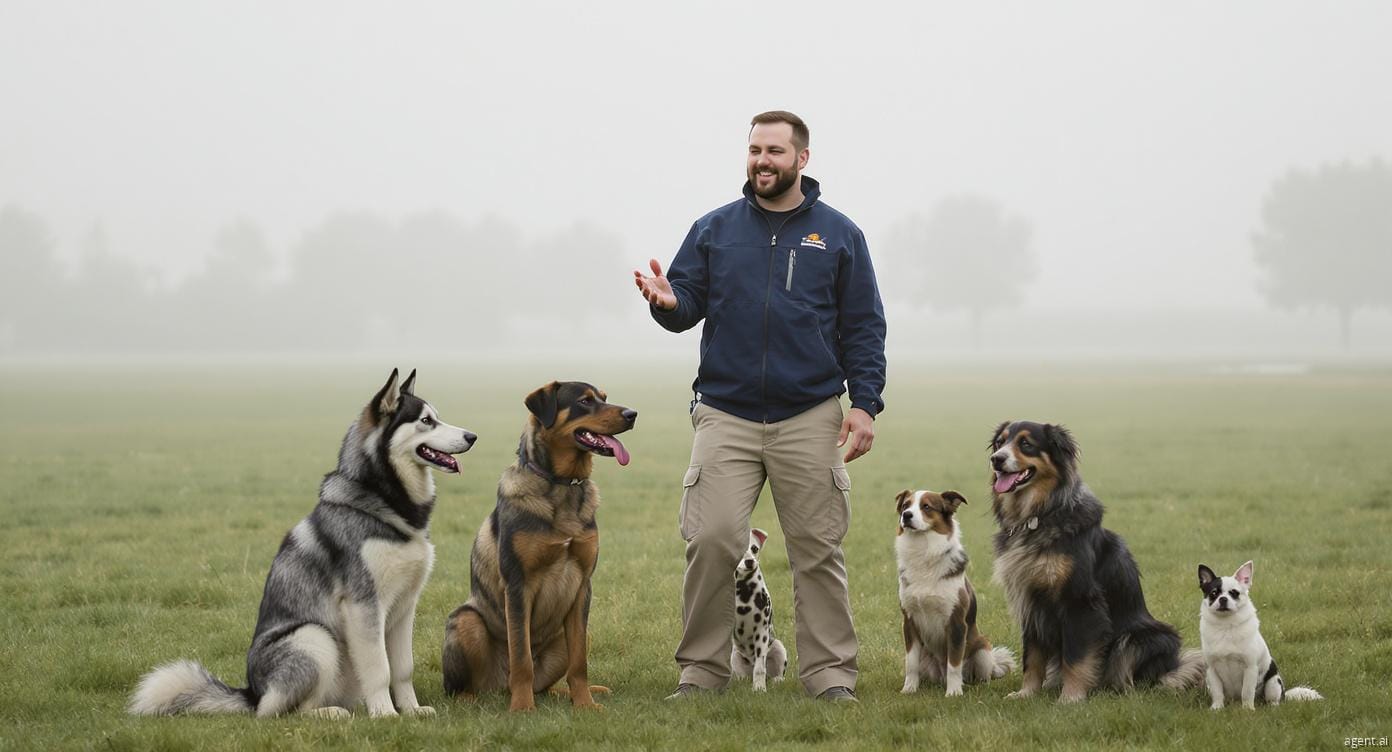
When people start thinking about bringing a new dog into their home, the excitement can easily overshadow the responsibility. There are so many adorable faces, wagging tails, and lovable personalities to choose from. Every dog looks perfect on the surface, but as any experienced dog trainer will tell you, not every breed fits every lifestyle. (You can explore detailed breed profiles on the American Kennel Club (AKC) website to understand traits before choosing.)
Some dog breeds are full of energy, independence, or intelligence that can quickly overwhelm even a well-meaning owner.
That’s where the warning begins, but not in the way you might expect. When a dog trainer says there are certain dog breeds you should “avoid,” it doesn’t mean these dogs are bad or dangerous. In fact, the twist is that most of these breeds are incredible companions when matched with the right owner. The issue isn’t the dog, it’s the mismatch between breed personality and human lifestyle.
A professional dog trainer has seen this story play out countless times: someone brings home a dog that looks cute or trendy, only to discover weeks later that the breed’s needs are far more demanding than expected. That’s when frustration sets in, and unfortunately, many dogs end up surrendered or rehomed, not because they were unlovable, but because they weren’t understood.
The truth is that some dog breeds require more than just love, they need time, structure, and sometimes a lifestyle overhaul. This guide isn’t meant to scare you away from these breeds but to help you make an informed choice. You’ll learn from a dog trainer’s perspective why these five breeds can be challenging, what makes them unique, and how the “twist” reveals their surprising strengths when handled correctly.
So, before you fall in love with a puppy’s eyes on Instagram or a viral video of a talking husky, read on. You may find that the breed you were told to avoid could actually be your perfect match if you understand what it truly takes to live with them.
Also Read: 10 Warning Signs in Dogs Veterinarians Say You Must Never Ignore | Even One Could Save a Life
Breed 1: The Siberian Husky, The Free Spirit You Can’t Fence In
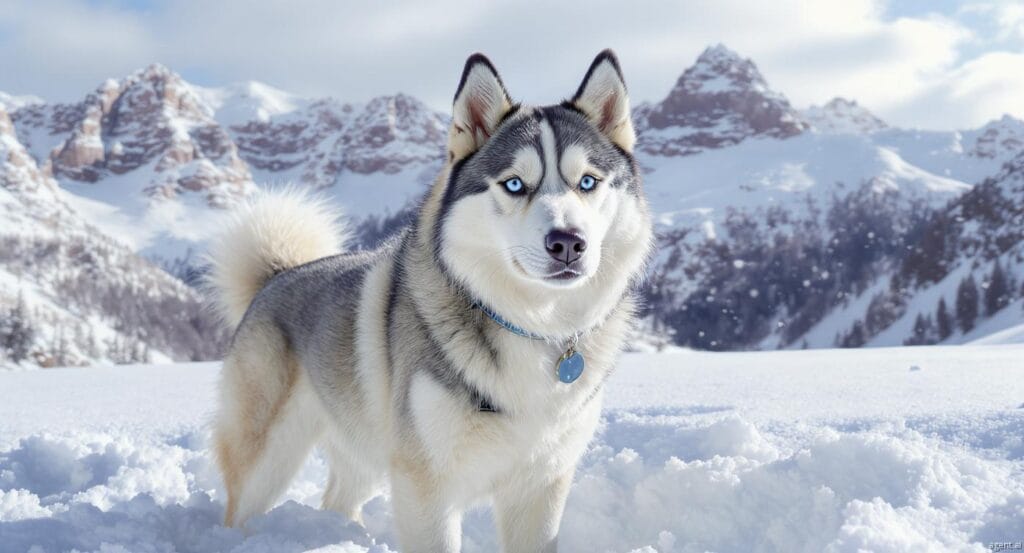
One of the world’s most striking dog breeds is the Siberian Husky. Many dog lovers find them fascinating because of their wolf-like fur and steely blue eyes. However, this breed is a handful, an athlete masquerading as a home pet, as any dog trainer knows. Huskies are hardwired with unquenchable energy since they were trained to pull sleds across cold tundras for miles.
New Husky owners are frequently astounded by how quickly their dog turns destructive when bored, according to a dog trainer. Great escape attempts, dug-up gardens, and chewed furniture are typical. This isn’t because huskies are “bad,” but rather because they have an innate desire for adventure. That same intelligence can become mischievous in the absence of adequate exercise, mental challenges, and structure.
One of the most common misunderstandings about this dog breed is that it can only be trained by love. Firm boundaries and regular routines must be combined with affection, according to an experienced dog trainer. Huskies are infamous for pushing boundaries; they will figure out how to leap fences, open doors, or just howl to attract your attention.
The irony is that the same mentality that annoys novices can also produce some of the most fulfilling relationships. The Husky becomes a devoted, happy, and inspiring friend when you recognize its need for purpose and provide it with frequent outlets, such as agility, hiking, or sledge pulling.
The key, according to any seasoned dog trainer, is respect. You don’t dominate a Husky; you earn its trust through consistency. It’s a partnership, not ownership. For those willing to match their energy and embrace a life of adventure, this so-called “difficult” dog breed can become the ultimate best friend.
2. The Border Collie, The Genius That Outsmarts You
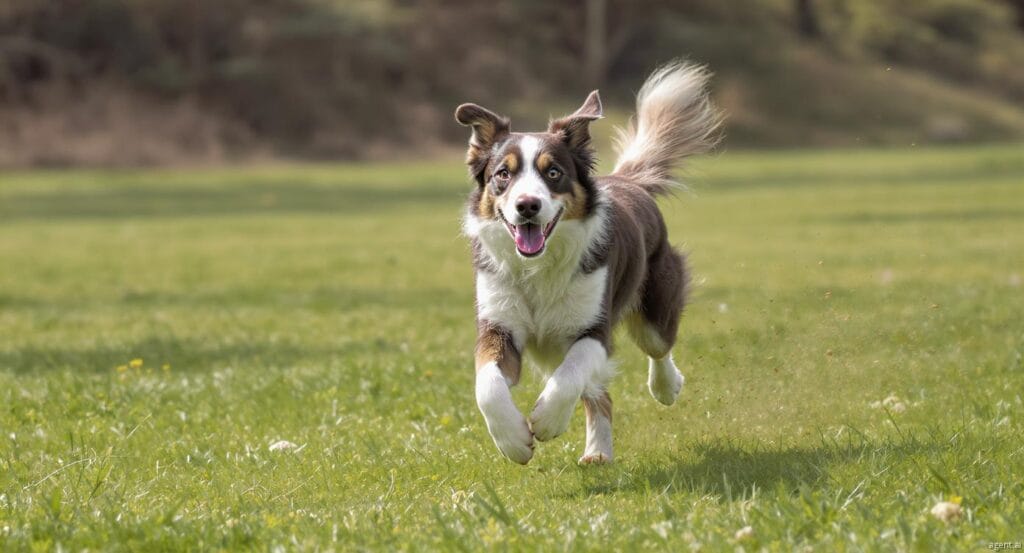
If intelligence alone made a perfect pet, the Border Collie would be the gold standard. But as every experienced dog trainer knows, brilliance comes with a price. This breed is one of the smartest in the world, bred to control livestock using focus, speed, and strategy.
That means the Border Collie’s mind never stops. They crave stimulation, puzzles, and jobs to do. A typical family that simply wants a relaxed house pet might find this dog breed overwhelming. Without daily challenges, a Border Collie will invent its own chasing children, herding cars, or even trying to “manage” its owners.
A professional dog trainer often encounters collies who become neurotic or destructive because their intelligence turns inward without enough outlets. The breed requires physical and mental exercise, agility training, obedience games, or farm work to stay balanced. (For expert-backed advice on canine behavior and training methods, visit PetMD’s Dog Behavior section.)
However, here’s the twist: that sharp mind can make the Border Collie one of the most rewarding dogs to live with. They learn commands in minutes and can master complex tricks that most dog breeds can’t comprehend. For the right person, a trainer, athlete, or someone who loves structure, the Collie becomes an extension of their own mind.
The key lesson from every dog trainer is this: never underestimate the Collie’s brain. It’s not a pet for lazy days. It’s a partner that will challenge and inspire you, but only if you can match its energy and curiosity.
Also Read: 10 Proven Ways to Help Your Pet Lose Weight Fast Without Stress or Guilt
3. The Dalmatian – The Beauty with Endless Energy
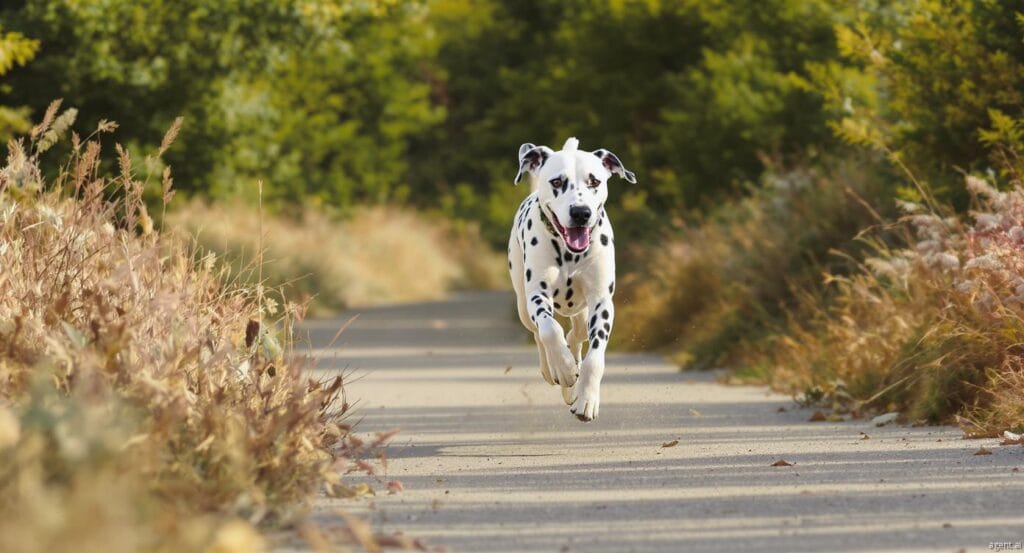
Few Dog Breeds are as iconic as the Dalmatian. With their spotted coats and elegant stride, they look like perfection. But as one seasoned Dog Trainer put it, “They’re not ornaments, they’re athletes.”
Originally bred to run alongside carriages for miles, Dalmatians have stamina most people can’t keep up with. (Learn more about selecting a pet that matches your lifestyle on the Humane Society’s guide.) They thrive on constant activity and attention. When left alone too long, they become bored, anxious, and sometimes destructive. A Dog Trainer often sees Dalmatians surrendered by owners who didn’t realize how demanding the breed is.
They also have a strong protective instinct and can be wary of strangers if not socialized early. Training and consistency are essential, but the challenge is that Dalmatians have a stubborn streak. They don’t respond well to harsh discipline; instead, they need patience and positive reinforcement.
Yet, the twist lies in their loyalty and affection. For families who love outdoor activities, Dalmatians can be joyful companions. They’re playful, alert, and deeply attached to their people. When guided properly by a knowledgeable Dog Trainer, they can transform from hyperactive troublemakers into graceful, well-mannered pets.
The key takeaway: never underestimate the power of purpose. A bored Dalmatian becomes restless, but a fulfilled one shines brighter than almost any other Dog Breed.
Also Read: White Iberian Lynx: Rare Discovery and Conservation Success
4. The Chow Chow, The Regal Introvert
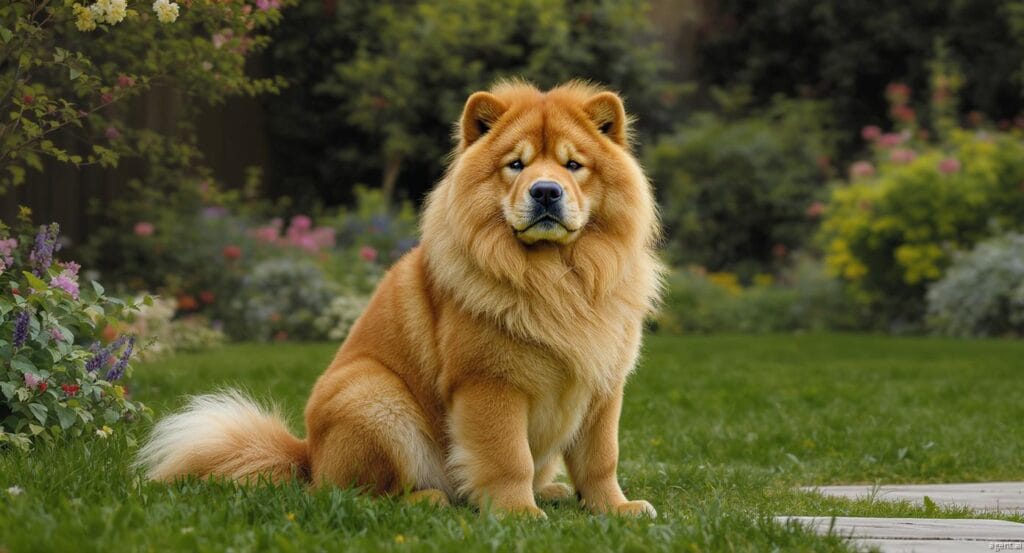
The Chow Chow initially resembles a cuddly teddy bear. They are among the most magnificent dog breeds due to their arrogant demeanour and lion-like mane. However, a fiercely independent mentality lies beneath that velvety fur. Dog trainers often caution new owners that this breed is not as adorable as it seems.
In ancient China, Chow Chows were the first dog breed used as hunting partners and guard dogs. They exhibit self-confidence, territorialism, and selective affection. They are affectionate but always on their own terms, and a dog trainer will frequently refer to them as “cats in dog form.”
Respect and composed leadership are essential for this kind of dog. Excessive affection or aggressive correction doesn’t sit well with them. Rather, they do best in environments with structure, boundaries, and room. The Chow Chow may surprise new owners who anticipate instant loyalty or unceasing cuddles.
The trick is that once a Chow Chow puts their trust in you, they are devoted to you. They have a strong affinity with their family and frequently exhibit a subtle, almost royal loyalty. The Chow Chow becomes a respectable and protective friend for self-assured owners who value independence.
A Dog Trainer will always remind people that this breed isn’t about control, it’s about mutual respect. If you want a dog that worships you, look elsewhere. If you want a companion who stands beside you with quiet pride, few Dog Breeds compare to the Chow Chow.
5. The Belgian Malinois – The Warrior Who Needs a Mission
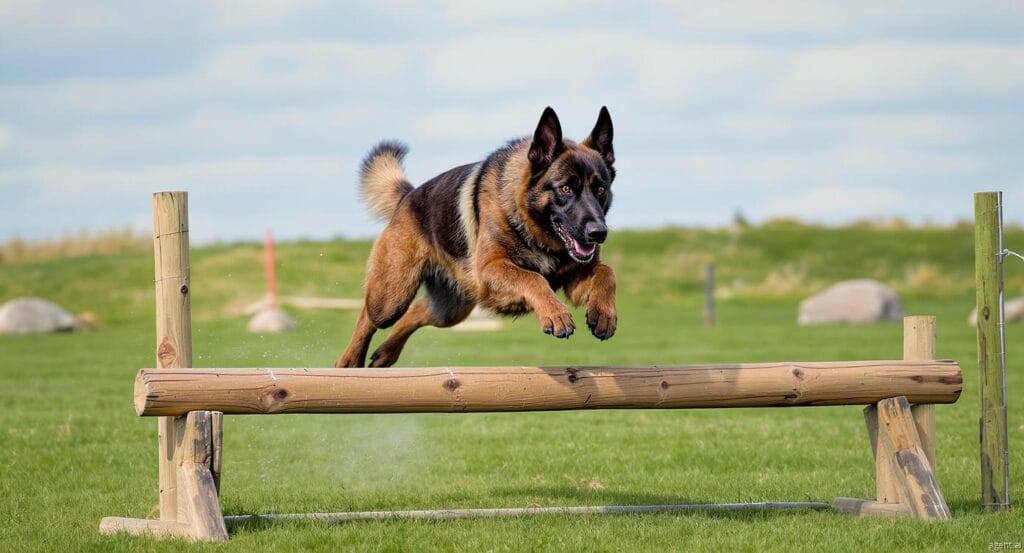
The Belgian Malinois has become famous in recent years for its roles in military and police work. They’re courageous, athletic, and razor-sharp in intelligence. But as many professional Dog Trainers warn, they’re not a household pet for most families.
This Dog Breed is a working machine bred for intensity, focus, and physical excellence. They’re happiest when they have a job to do. Without purpose, a Malinois becomes restless, anxious, and even destructive. A Dog Trainer often says that owning one is like living with a professional athlete; you must train daily, challenge them mentally, and manage their energy responsibly.
Many people adopt Malinois after watching viral videos of these dogs performing incredible stunts. What they don’t see is the years of discipline and structure that go into creating that control. Without the same dedication, a Malinois can quickly overwhelm its owner.
However, the twist is that for the right person, this breed can be a once-in-a-lifetime companion. Their intelligence, loyalty, and drive are unmatched. Under expert guidance from a Dog Trainer, a Malinois becomes a true partner, alert, obedient, and eager to please.
But the warning stands: this is not a dog to “try out.” It’s a breed for people ready to commit to training as a lifestyle. When given purpose, structure, and respect, the Belgian Malinois is one of the most incredible Dog Breeds on earth.
Conclusion – The Twist Behind the Warning
When a dog trainer suggests that you “avoid” a particular breed of dog, they are not criticising you; rather, they are shielding you and the dog from disappointment. Each breed has advantages and disadvantages. The problem isn’t that certain dogs are nasty; rather, it’s that their energy levels and instincts aren’t suitable for every home.
The irony is that these breeds are exceptional due to the same traits that make them difficult. When granted freedom, the independence of the Siberian husky turns into loyalty. When given work, the Border Collie’s energy transforms into brilliance. When practiced, the Dalmatian’s enthusiasm turns into devotion. When respected, the Chow Chow’s distance turns into nobility. When Belgian Malinois are given a purpose, their drive turns into heroism.
A seasoned Dog Trainer knows that success isn’t about finding the “easiest” dog, it’s about understanding the right match. If you take the time to learn what a breed was created for, and if you can meet those needs, even the so-called “difficult” Dog Breeds can become your perfect companions.
So before choosing a dog, do what a Dog Trainer would: research, prepare, and be honest about your lifestyle. Don’t let appearances fool you. The most beautiful relationships between humans and dogs come from understanding, patience, and respect.
The final truth? There are no bad Dog Breeds, only mismatched homes. Once you learn that lesson, every dog, no matter how challenging, has the potential to become your most loyal friend.
FAQ
1. Why does a professional trainer warn against certain dog types?
A professional trainer warns about certain dog types because they demand more time, structure, and discipline than most new owners realize, not because they’re bad dogs.
2. Are there really breeds that are harder to train?
Yes, some canine breeds are more independent or strong-willed. An experienced trainer can help manage these behaviors with consistent training and patience.
3. Can a first-time owner handle a challenging breed?
It depends on dedication. With expert guidance and proper research, even energetic or stubborn breeds can adapt well to beginners.
4. Why are Huskies considered difficult by experts?
Experts find Huskies demanding because of their endless energy and independence. Without firm routines, they can become destructive or escape artists.
5. What makes the Border Collie a challenging companion?
According to many dog experts, the Border Collie’s intelligence and energy level make it mentally demanding. It needs daily challenges and purposeful activities.
6. Are all dogs trainable with the right method?
Yes, with patience and the right approach, any dog can learn. Success depends on understanding the animal’s instincts and adjusting techniques to suit its personality.
7. What’s the biggest mistake people make when choosing a dog?
Many people choose a breed for its looks instead of its behavior. Trainers suggest picking a pet that matches your daily routine, energy, and lifestyle.
8. How can a trainer help with a stubborn pet?
A trainer uses structure, positive reinforcement, and calm leadership to handle stubborn dogs effectively and encourage cooperative behavior.
9. Are dogs like the Chow Chow or Malinois good family pets?
They can be, but early socialization, boundaries, and confident leadership are key. These breeds thrive under consistent guidance and experienced handling.
10. What’s the real twist behind avoiding certain breeds?
The twist is that no breed is truly unmanageable. With the right mindset and training, even the most difficult dogs can become loyal and loving companions.