Introduction
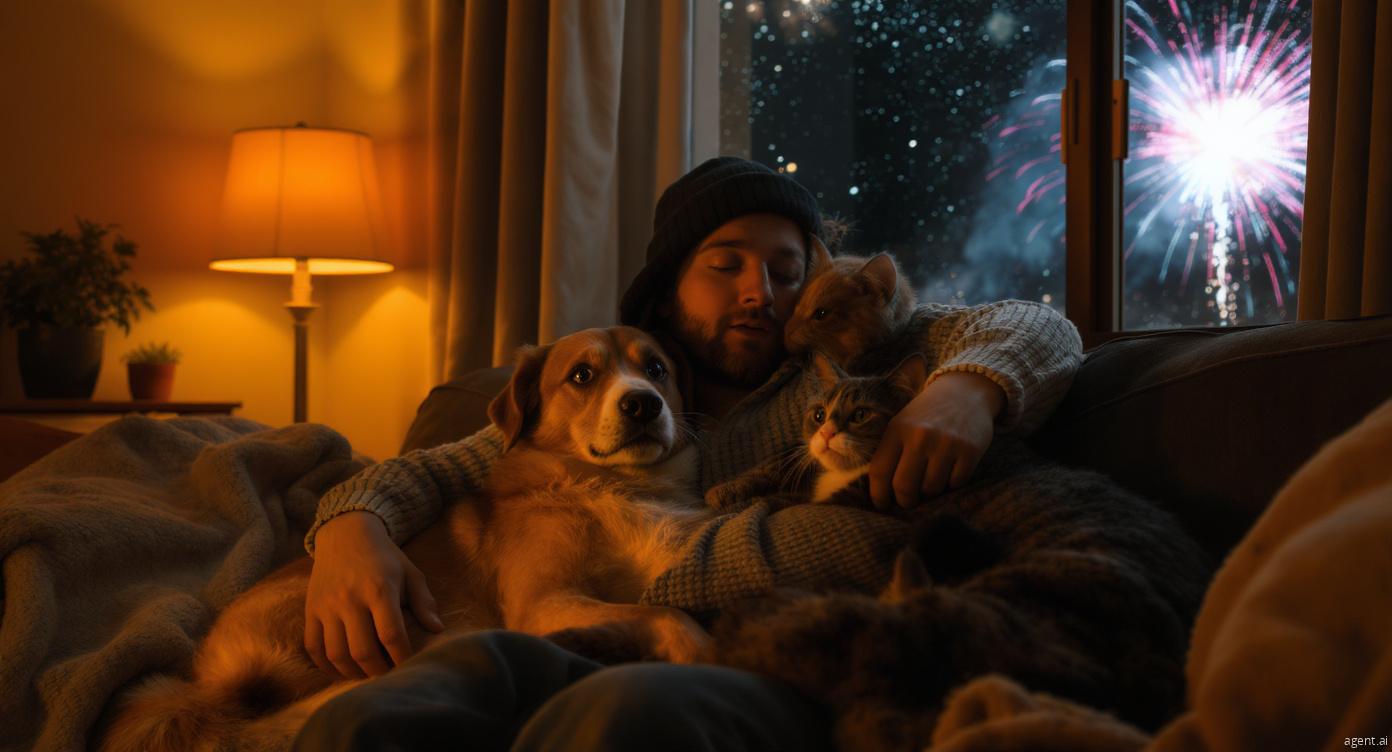
The human tradition of celebrating the passing of one year and the arrival of the next is often marked by a spectacular display of light and sound: fireworks. For many of us, the crescendo of explosive pops, whistles, and booms is synonymous with joy and excitement. Yet, for our cherished companion animals, particularly dogs and cats, this annual event often transforms into a night of sheer terror.
The frantic pacing, excessive drooling, destructive chewing, and desperate attempts to hide are heartbreakingly familiar signs of the panic experienced by pets terrified by New Year Eve fireworks. It is a widespread veterinary issue that peaks twice a year, around the Fourth of July and during the New Year’s celebrations, and demands thoughtful, proactive preparation from every dedicated pet owner.
The reality of coping with pets terrified by New Year Eve fireworks is that a simple cuddle or soft word frequently isn’t enough. Their terror is a biological, physiological response that transcends learned behavior and fundamental comforts. To effectively heal them, we must look beyond superficial fixes and create a multi-layered plan that addresses the anxiety from both behavioral and environmental sides. We need to be the anchors of peace and stability in a world that suddenly, violently, and unpredictably explodes around them.
Recognising the seven most potent
The first crucial step in making sure your nervous animal has a calm New Year is to use evidence-based techniques for treating this severe noise phobia. This thorough guide explains the psychological causes of their dread and offers practical solutions, ranging from weeks of preparation to minute-by-minute crisis management during the cacophony of noise.
Also Read: Thanksgiving Pet Safety: 7 Powerful Do’s & Don’ts You’ll Wish You Knew Earlier
The Psychological Root of Noise Phobia in Companion Animals
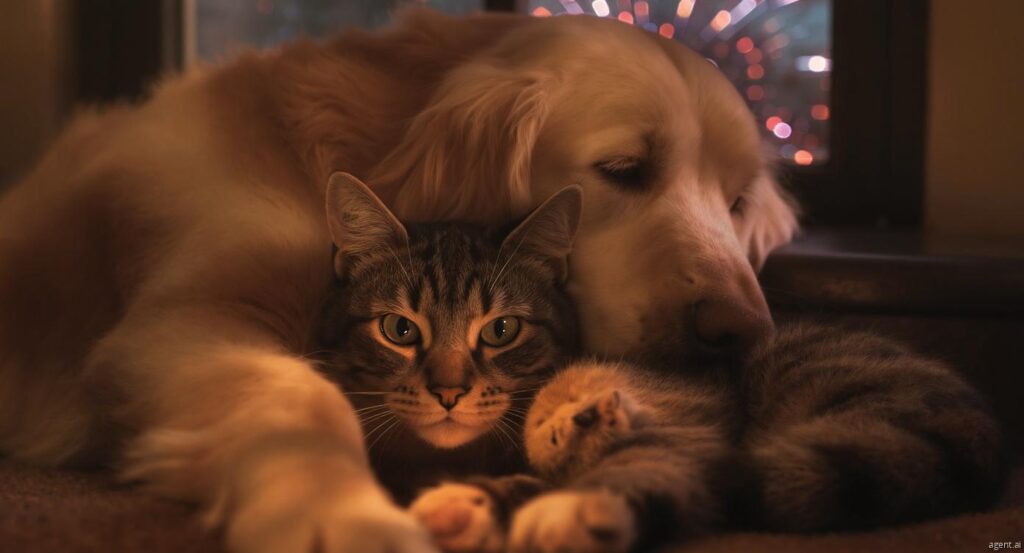
Before adopting any calming method, it is vital to understand why the loudness of pyrotechnics produces such severe suffering pets terrified by New Year Eve fireworks. This isn’t just plain dislike; it is a basic fear response founded in their highly tuned sensory systems and survival instincts.
Understanding the Canine and Feline Auditory System
Dogs and cats have significantly better hearing than humans. Humans can hear noises up to 20,000 Hz, whereas dogs can hear sounds up to 45,000 to 65,000 Hz. More importantly, their ability to separate sounds enables them to distinguish between individual sounds that humans experience as a muted whole, and they can hear sounds four times farther away than humans. (RSPCA fireworks advice confirms that sudden flashes and unpredictable booms significantly heighten fear in noise-sensitive dogs and cats.)
This indicates that a firework’s sharp crack is not only loud but also physically painful and perceived as an extremely close threat. Additionally, the low-frequency rumbles, which can pass through floors and walls that block higher frequencies, are felt deep within their bodies, giving pets who are afraid of New Year’s Eve fireworks an intense, unavoidable physical component to their fear. For cats, the unexpected nature paired with their prey drive generates an immediate, paralyzing state of vigilance or a rapid escape attempt.
The Fight-or-Flight Response and Fireworks
The fear of fireworks is a classic case of noise aversion leading to a full-blown fight-or-flight response, medically defined as sympathetic nervous system activation. When the unexpected, loud, and continuous noise begins, the pet’s body releases cortisol and adrenaline. Their heart rate rises, respiration becomes quick and shallow (panting in dogs, regardless of temperature), and they endure gastrointestinal distress. The animal cannot overcome the threat by fighting or running away because the noise is erratic and appears to be unavoidable.
(the latter commonly appearing as trying to leave the house or enclosure). This results in learned helplessness and a persistent sensation of terror. This is why you witness the typical, disruptive, and often lethal behaviors in pets terrified by New Year’s Eve fireworks, they are genuinely worried they are in mortal threat.
Pre-Emptive Planning: Weeks Before the Countdown
Managing anxiety in pets terrified by New Year Eve fireworks is primarily about preparation. You cannot wait until the evening of December 31st to start building their defenses. The most successful strategies begin well in advance, focusing on modifying the pet’s core emotional response to the trigger.
Also Read: National Dog Show 2025: The Complete Origin Story, History, and Why America Loves It
Way 1: Desensitization and Counter-Conditioning (Audio Therapy)
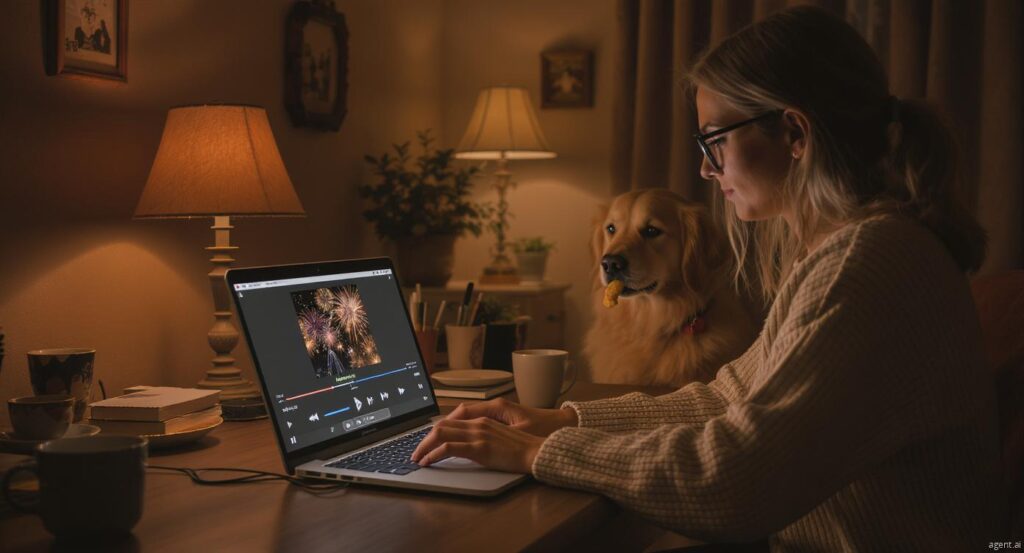
This is a long-term, powerful behavioral therapy tool, but it can be started a few weeks before the big event, especially if the pet’s phobia is mild to moderate. The goal is to change the pet’s emotional association with loud noises from fear to positive anticipation.
Start by sourcing high-quality recordings of fireworks and other loud, triggering noises. The key to successful desensitization is volume control and pairing. Begin playing the sound at an incredibly low volume, so low that your pet doesn’t even acknowledge it. While the sound is playing, engage your pet in their absolute favorite activity, whether it’s a high-value chew, a puzzle toy filled with irresistible food, or a focused training session. The moment the audio stops, the rewarding activity must also stop.
Over the course of days or weeks, very gradually increase the volume, never pushing past the threshold where your pet shows any sign of anxiety (e.g., twitching ears, stiffness, panting). If your pet reacts, immediately reduce the volume back to the last comfortable level and stay there for a few sessions. This systematic process teaches the pets terrified by New Year Eve fireworks that the sound, initially a threat, now predicts something wonderful will happen they get their high-value reward. This is the cornerstone of proactive noise management. (Blue Cross desensitization guide recommends pairing low-volume firework audio with high-value rewards to gradually change emotional associations.)
Also Read: Top 3 Dog Breeds at Risk | Why the French Bulldog Faces a Critical Future
Way 2: Creating a Safe, Soundproofed Haven (The Den Principle)
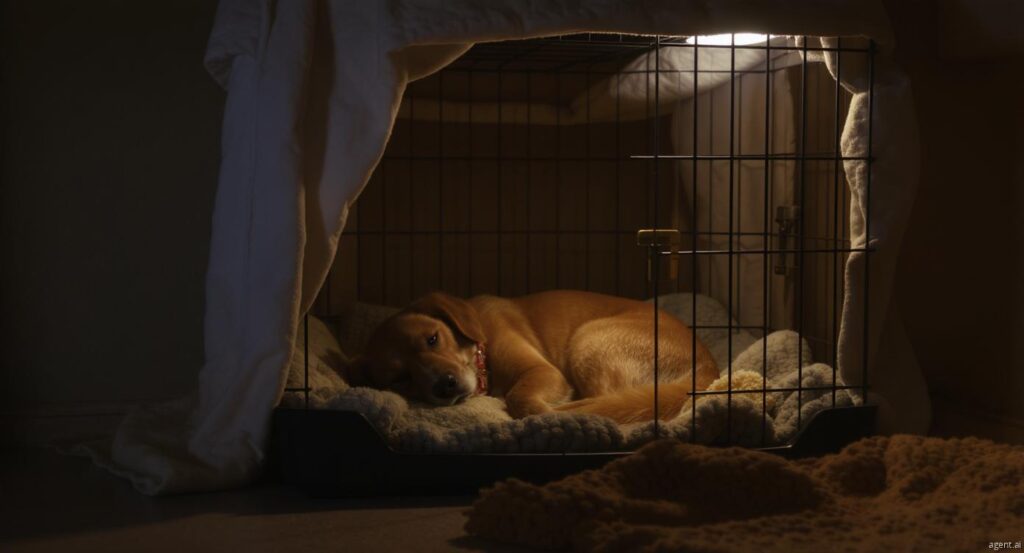
Every animal needs a secure retreat, but for pets terrified by New Year Eve fireworks, this sanctuary shifts from a comfort zone to an essential survival chamber. This environment must be ready before the anxiety creeps in.
Ideally, the refuge should be an internal chamber with no windows, such as a basement, a central corridor closet, or a well-insulated bathroom. If you’re using a big crate, cover it with thick blankets to obscure visual cues and reduce noise (light flashes can be just as distressing as booms).
To create a familiar scent marker, put water, your pet’s favorite bedding, and maybe some of your dirty clothes inside. This den’s visual and aural isolation is a straightforward yet incredibly powerful strategy. This preparation for pets terrified by New Year Eve fireworks gives them a sense of control and predictability when their environment is mayhem.
Setting the Stage: Physical Prep and Secure Exits
For safety, the sensible actions done in the days preceding New Year’s Eve are essential. Ensure all doors and windows are securely locked, particularly those that lead to the pet’s panic room. Examine your dog’s or cat’s microchips, gate latches, and yard fences. Tragically, more pets escape and are lost during firework displays than at any other time of the year because pets startled by New Year’s Eve pyrotechnics may often bolt blindly, entirely ignoring voice commands or even physical boundaries.
They have an innate desire to get away from the perceived threat. Verify that their ID tags and microchip information are entirely up-to-date, as this is their best chance of being returned to you if the worst happens.
The Day of the Event: Fortifying the Home Environment
Once the day arrives, the focus shifts to minimizing triggers, maximizing environmental calm, and using pharmacological or natural aids to lower your pet’s baseline anxiety before the noise even starts.
Way 3: Utilizing Aromatherapy and Pheromones (Science-Backed Calming Aids)
We can leverage the pet’s sense of smell to promote a state of relaxation. Certain scents and synthesized pheromones have been scientifically proven to have an anxiolytic (anxiety-reducing) effect.
Pheromones: Dog Appeasing Pheromone (DAP) products, which are frequently marketed under names like Adaptil, imitate the pheromones that a mother dog releases to soothe her puppies. These are available as diffusers, collars, and sprays. For cats, Feliway diffusers, which utilize synthetic feline face pheromones, generate a sense of familiarity and safety. In order for the smell compound to permeate the surroundings, it is advised to start these diffusers a few days prior to New Year’s Eve.
Aromatherapy: Additionally, lavender essential oil can promote calm when carefully diffused and diluted (never applied directly to the pet). The secret is to be subtle; you want a background aroma that is not overpowering. With the use of these tools, whose pets terrified by New Year Eve fireworks can gradually change their neurological condition and become less agitated when the first unexpected blast happens.
Way 4: Dietary Adjustments and Calming Supplements (L-Theanine, Tryptophan)
Nutraceuticals are supplements that, when used correctly, can help modulate mood and anxiety pathways in the brain. They are not sedatives, but they lower the neurological excitability threshold.
L-Theanine: Found naturally in green tea, this amino acid promotes relaxation without causing drowsiness. It helps modulate inhibitory neurotransmitters like GABA. (VCA Hospital supplement insights explain how L-Theanine supports relaxation pathways in anxious pets without causing sedation.)
L-Tryptophan: This is a precursor to serotonin, which plays a major role in mood stabilization and well-being. Increased serotonin levels can significantly improve the coping ability of pets terrified by New Year Eve fireworks.
Hydrolyzed Casein: This milk protein derivative, often found in supplements like Zylkene, has calming properties similar to a benzodiazepine but without the side effects. It’s highly effective for situational anxiety.
Crucially, these supplements must be started days or perhaps a couple of weeks before the predicted explosions. They are not ‘on-demand’ medications and need time to build up to therapeutic levels in the system. If your pet’s fear is extreme, speak to your veterinarian about prescription anxiolytics, which can be safely supplied to help severe cases of pets terrified by New Year Eve fireworks cope with the peak noise period.
Also Read: EHV-1 Outbreak Explained: Hidden Causes, Symptoms, Prevention & Global Impact on Horses
The Crucial Timing of Meals and Bathroom Breaks
Be mindful of your pet’s schedule on December 31. Ensure their final, thorough outdoor toilet break is finished well before dusk, ideally before the neighbourhood hubbub begins. Even minor, premature pops might provoke panic. A terrified animal should never be forced outside when the fireworks begin. Serve a smaller, slightly earlier meal. Anxiety typically causes nausea or stress-related unwillingness to eat. A full belly is less vital than a tranquil mind
and avoiding a big meal just before a stressful event helps lessen stomach distress brought on by stress. The idea is to make the entire afternoon routine as regular and stress-free as possible, reducing any potential environmental stresses that can contribute to the eventual fear felt by pets terrified by New Year Eve fireworks
During the Fireworks: Active Crisis Management
The clock has struck, and the noise has begun. This is the moment for aggressive, calm intervention. The most crucial element is your behaviour, and the way you interact with your pet has the power to either increase or decrease their level of anxiety.
Way 5: The Power of Distraction and Interactive Play
During the initial period of low-level noise, distraction can be a valuable weapon, particularly for dogs. If they are still responsive, engage them in a concentrated, high-value activity inside their safe room. This may be a frozen Kong toy, a difficult puzzle feeder, or a LickiMat covered in peanut butter. Cognitive resources are diverted from the brain’s fear centre by the mental effort needed to solve the problem or eat the goodie.
This is a tricky balance. If your pet is already shivering, hiding, or panting excessively, distraction is too late; forcing an activity will merely add more stressors. However, for those pets terrified by New Year Eve fireworks who are just starting to show signs of hyper-vigilance, this change of focus might disrupt the building panic cycle and ground them in a predictable, joyful activity, even as the booms intensify.
Also Read: Giant Panda: 11 Shocking Truths About This Cute but Endangered Icon
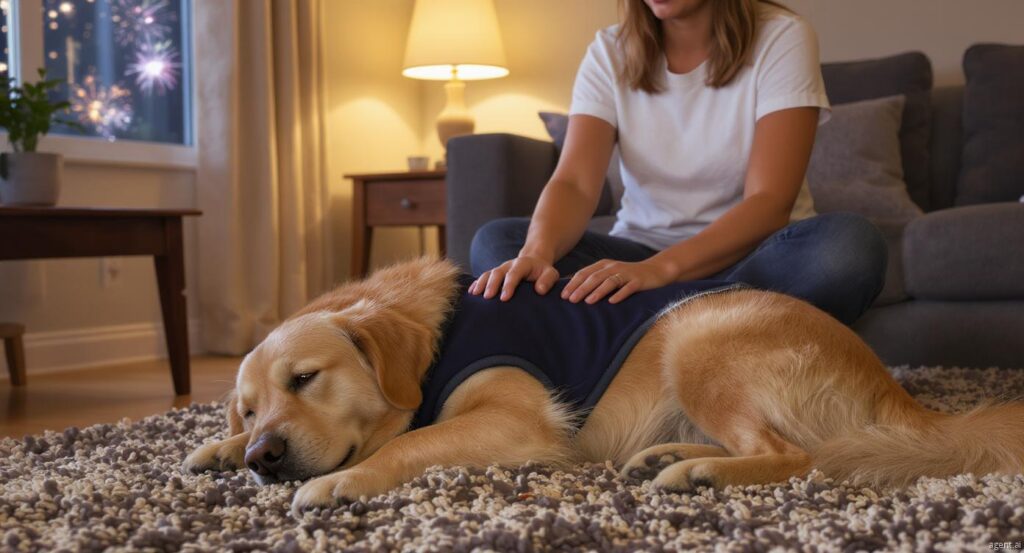
Way 6: Specialized Calming Gear (Thundershirts and Wraps)
The use of pressure garments, the most renowned being the Thundershirt, is based on the notion of mild, persistent pressure, comparable to swaddling a child. This idea is sometimes called “acupressure” or just “the calming effect of physical contact.”
These vests are meant to fit securely over the animal’s body, giving continual, gentle pressure to precise pressure points. Anxiety symptoms may be lessened by this pressure’s ability to release endorphins, which are naturally relaxing substances. Your pet must become accustomed to wearing the vest before the stressful situation for it to be successful.
The pet will associate the Thundershirt with stress and noise if you only bring it out when the fireworks begin. It should be worn consistently and comfortably beforehand. By providing a bodily grounding mechanism, the prolonged counter-pressure can significantly alleviate the fear of New Year’s Eve fireworks in many pets; however, it is not a cure-all.
Way 7: Human Interaction: The Art of Quiet Reassurance
One of the most contested themes in pet behaviour is how to engage with a fearful animal. Ignoring the scared dog was once advised to prevent “rewarding” the worry. This strict approach is rejected by contemporary behaviourists, who acknowledge that fear is an emotion rather than a reward-seeking behaviour.
Do:
- Remain calm, quiet, and predictable yourself. Your stress levels are contagious. Sit quietly in their safe room, perhaps reading a book or listening to music, radiating an aura of absolute normalcy.
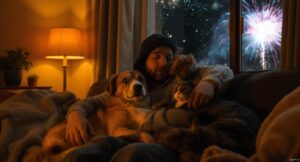
- Offer quiet, contact-based comfort if they seek it out (e.g., allow them to lean against you or hide their head in your lap).
- Speak in low, non-dramatic tones, such as “You’re okay, sweetie, everything is fine.”
Do Not:
- Do not engage in effusive, pitying baby talk (e.g., “Oh, my poor baby, you are so scared!”). This heightened, frantic human tone confirms to the pet that something is terribly wrong, escalating the fear of pets terrified by New Year Eve fireworks.
- Do not physically pull the pet out of a hiding spot. The hiding place is their perceived safety, and removing them by force will only cause further trauma.
Instead of ‘ignoring,’ offer ‘quiet presence.’ Your calm, available presence provides an essential psychological anchor, confirming that the person they trust most is not panicking, thus suggesting the threat is manageable
Recognizing and Responding to Extreme Panic Signals
In some cases, the fear experienced by pets terrified by New Year Eve fireworks is so severe that it becomes a true medical emergency. Recognizing the signs of extreme panic is vital. These include:
- Non-stop elimination: Voiding the bladder or bowels involuntarily.
- Self-harm: Attempting to chew or scratch through walls, crates, or doors, leading to broken teeth or bloody paws.
- Catatonia: Freezing in a state of terror, unresponsive to human touch or voice.
- Excessive and continuous drooling or vomiting due to an extreme adrenaline surge.
If your pet reaches this level of distress, you must prioritise damage limitation and focus completely on keeping them physically safe until the noise ceases. In these severe circumstances, it is vital to visit your veterinarian well in advance for prescription sedative or anti-anxiety medicine, which can prevent serious, life-threatening panic attacks in pets terrified by New Year Eve fireworks.
Post-Event Recovery and Long-Term Strategies
The fireworks have stopped, and the danger has passed. The recovery period is just as important as the preparation. Your pet’s system is flooded with stress hormones, and they need time to reset their nervous system.
Do not immediately rush your pet out of their safe space. Let them emerge on their own time, which might take an hour or more after the last distant pop. Gently check the den for any damage or, more importantly, any signs of self-injury.
The morning after, immediately re-establish the normal routine. Go for the usual walk, feed at the usual time, and engage in the usual play.
Predictability is the cure to the chaos they just experienced. Avoid recounting the night’s events or delivering excessive post-stress compensation, since this can mistakenly reinforce the sense that the previous night was a substantial, bad occurrence. The sooner people return to the habit, the sooner their physiological stress response will lessen. This return to routine is the final comforting gesture for pets terrified by New Year Eve fireworks.
Consulting a Veterinary Behaviorist (When Professional Help is Needed)
If the measures outlined here, even paired with pharmacological intervention, are insufficient, or if your pet’s fear persists into the days following the event, it is essential to seek specialised aid. A personalised, multimodal treatment plan can be created by a board-certified veterinary behaviourist (Diplomate of the ACVB). This often entails complex desensitisation techniques, focused pharmacological treatment, and environmental adjustments tailored precisely to your unique condition.
This professional guidance offers the best long-term prognosis for transforming the life of a pet that is chronically or severely one of the pets terrified by New Year Eve fireworks. Do not wait until the next major holiday; behavioral modification is a process that requires consistent effort over many months to be truly effective.
Taking the necessary steps to plan, prepare, and manage the acute terror experienced by pets terrified by New Year Eve fireworks is an act of deep companionship. By understanding the root cause of their noise phobia and implementing these seven powerful, evidence-based methods, we can fulfill our responsibility to them and ensure that the transition to the New Year is marked not by fear, but by safety and peace inside the quiet sanctuary of home.
Also Read: 10 Mind-Blowing Facts About Whale Communication: Why It May Be Smarter Than Dogs & Cats
Conclusion
Helping pets terrified by New Year Eve fireworks is not about quick cures or last-minute attempts to soothe distress. Long before the first firework ever lights up the sky, it is a multi-layered commitment. Every approach you implement, whether it’s desensitisation, establishing a secure den, utilising pheromones, altering routines, introducing soothing substances, or delivering regular human reassurance, forms part of a bigger protective system. These strategies work together to modify how your animal experiences the most tumultuous night of the year.
When you grasp the biological underpinnings of their fear, you stop perceiving their emotions as misbehaviour and start recognising them as instinctual responses to perceived threat. This change in viewpoint is potent. It enables you to deal with their worry with preparation rather than panic and empathy rather than frustration.
Your pet’s tranquilly shouldn’t be sacrificed for the start of a new year. With smart planning and persistent support, you may change a night traditionally filled with dread into one that passes with significantly less stress. In time, and with continuous mild exposure and reassurance, even the most sensitive animals can learn to face pyrotechnics with increasing resilience.
Your role is not to eliminate every sound or stressor but to become their anchor, steady, predictable, and calm. When the world outside erupts in unpredictable noise, what matters most is that the inside of your home remains a place of safety, familiarity, and trust. By applying these seven powerful methods and refining them each year, you ensure that your companion enters the New Year not with fear, but with comfort, confidence, and the quiet assurance that they are never facing the noise alone.
FAQ’s
What causes pets terrified by New Year Eve fireworks to panic?
Pets terrified by New Year Eve fireworks react strongly because their sensitive hearing, instinctive survival response, and inability to predict loud noise create overwhelming fear.
How can I calm pets terrified by New Year Eve fireworks without medication?
You can calm pets terrified by New Year Eve fireworks by using a quiet, safe room, pheromone diffusers, gentle reassurance, and engaging distraction toys.
When should I start preparing pets terrified by New Year Eve fireworks?
Preparation for pets terrified by New Year Eve fireworks should begin weeks in advance with desensitization audio training and gradual exposure to controlled noise.
Do calming vests work for pets terrified by New Year Eve fireworks?
Calming vests help many pets terrified by New Year Eve fireworks by applying gentle pressure that lowers anxiety and provides physical grounding.
Is it safe to leave pets terrified by New Year Eve fireworks alone?
Leaving pets terrified by New Year Eve fireworks alone is not recommended, as your presence helps regulate their stress and prevents panic-driven escape attempts.
Can pheromones really help pets terrified by New Year Eve fireworks?
Pheromone diffusers can benefit pets terrified by New Year Eve fireworks by creating a sense of familiarity and emotional security.
Do calming supplements work for pets terrified by New Year Eve fireworks?
Many supplements support pets terrified by New Year Eve fireworks, especially formulas with L-theanine, tryptophan, or casein, which help lower baseline anxiety.
Is background noise helpful for pets terrified by New Year Eve fireworks?
Soft background music or white noise can comfort pets terrified by New Year Eve fireworks by masking the sharp, unpredictable blasts.
What should I avoid doing with pets terrified by New Year Eve fireworks?
Avoid scolding, forcing them out of hiding, or using frantic tones, as these can worsen fear in pets terrified by New Year Eve fireworks.
When should I seek veterinary help for pets terrified by New Year Eve fireworks?
Consult a veterinarian if pets terrified by New Year Eve fireworks show extreme panic, self-injury, or if their anxiety intensifies despite home interventions.