Introduction
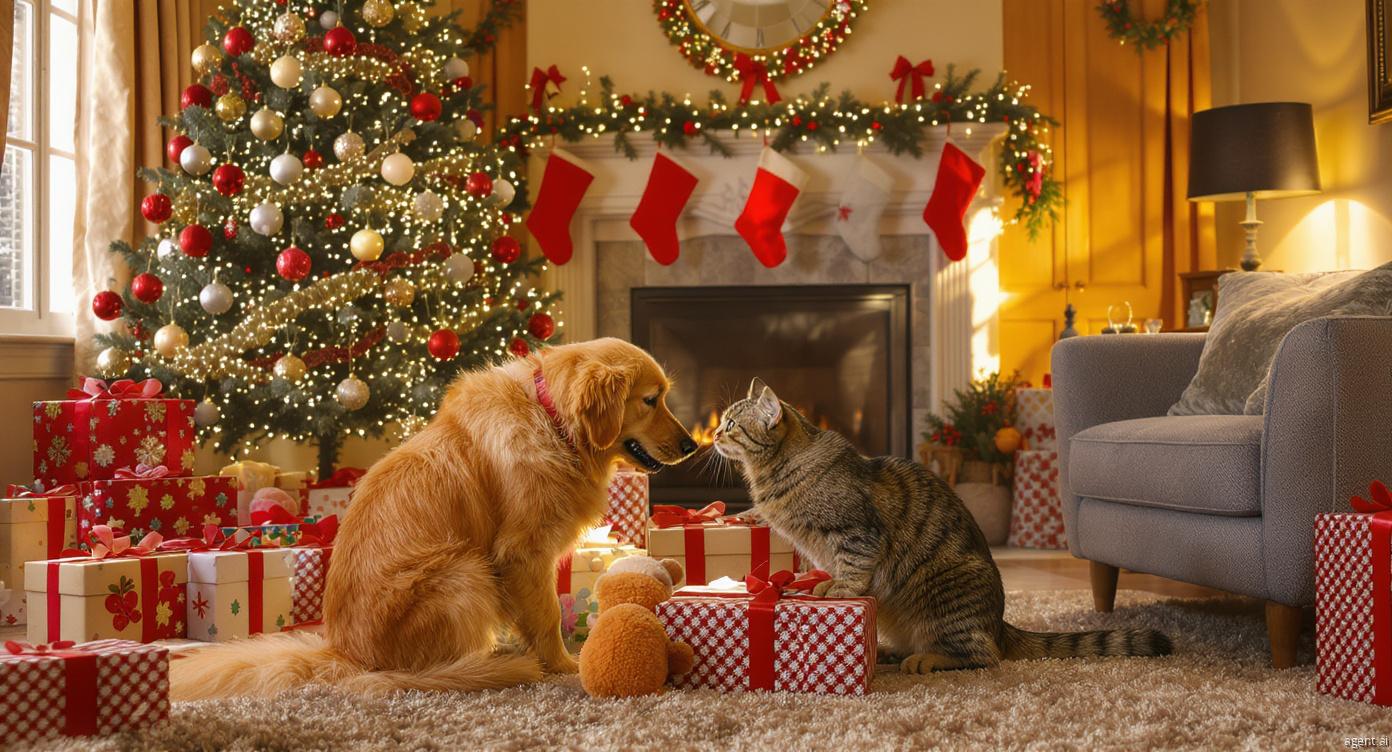
People are naturally motivated to show their beloved animals warmth, comfort, and heartfelt gestures during holiday celebrations. Pets have a different experience of the holiday season than people do, and the presents given to them may either make them happier or inadvertently put them at risk. The world of pet gifts has grown to such an extent that choosing valued, secure things takes more than just passion. It necessitates comprehension. This tutorial examines how to select holiday pet gifts that promote well-being, build trust, and lessen risks that many people ignore. Thoughtful pet gifts make celebrations safer and more satisfying for pets and their owners, rather than depending on fads or impulsive purchases.
Making a list of dos and don’ts is not the only objective. The goal is to raise awareness of how pets react to stimulus, materials, textures, and scents. When compared to actual pet demands, many well-meaning presents that appear enticing on store shelves fall short. At the same time, genuinely impactful pet presents encourage lifelong enrichment, emotional equilibrium, and physical comfort. By thoroughly reviewing these concepts, you can discover what counts most when choosing heartfelt pet presents for the holidays and how to steer clear of typical blunders that could ruin the occasion.
Also Read: Calm Pets Terrified by New Year Eve Fireworks | 7 Proven Tips

Smart Holiday Pet Gifts: Why Thoughtful Choices Matter
The significance of selecting the appropriate pet presents is frequently overlooked. For an animal, a toy can be more than just a plaything; it can serve as a source of solace, an emotional release, or a teaching tool. Pets may experience stress or overstimulation over the holidays, when homes are filled with enthusiasm. A well-chosen gift can help them relax, ground themselves, or engage their intellect in constructive ways. However, poorly selected pet gifts can cause choking hazards, digestion problems, sensory overload, or even behaviors based on fear. For this reason, selecting pet presents should be done carefully rather than on the spur of the moment.
The best holiday pet presents blend safety, enrichment, durability, and innovation. They fit the personality, age, energy level, and individual sensitivity of a pet. The experience is changed when these nuances are understood. You start thinking like a purposeful pet parent instead of speculating. And this piece outlines just what that goal ought to be.
1. Do Choose High-Quality, Vet-Approved Pet Gifts
The most dependable options for genuinely helpful pet gifts are those created or authorized by veterinarians. This includes clean-ingredient treats, long-lasting chew toys, and skin-friendly grooming products. Superior sweets promote energy balance and digestive health. In order to assist pets in avoiding allergic reactions, bloating, or digestive problems, many businesses now create pet gifts that adhere to stringent nutritional criteria.
Due to their emphasis on pet-safe materials, veterinarian-approved pet gifts also typically have a lengthy lifespan. Strong woven fibers, firm natural rubber, and leather substitutes are far safer than cheap chew toys or weak plastics. Pets use their senses to explore new things, and they frequently lick, bite, or shred them. Safety is therefore crucial. Good gifts for pets encourage that instinct without putting them in danger from poisons or sharp objects.
Seasonal flavors like pumpkin, ginger, and cinnamon are introduced during the holiday season. Humans find these fragrances festive, but not all of the components in these items meet safe nutrition standards. Selecting pet presents with basic proteins, low-fat recipes, and few additives is a wise move. Vet-backed quality always provides peace of mind, regardless of whether the present is interactive or edible.
Also Read: Thanksgiving Pet Safety: 7 Powerful Do’s & Don’ts You’ll Wish You Knew Earlier
2. Do Select Durable Toys Designed for Safe Chewing and Play
Average pet gifts become dependable when they are durable. Pets don’t handle toys well, especially when they’re excited at Christmas get-togethers. Weak toys can be destroyed in minutes by lively cats, eager pups, and strong chewers. Cheap materials can break apart and cause ingestion of stuffing, threads, or plastic fragments, leading to many dangerous mishaps.
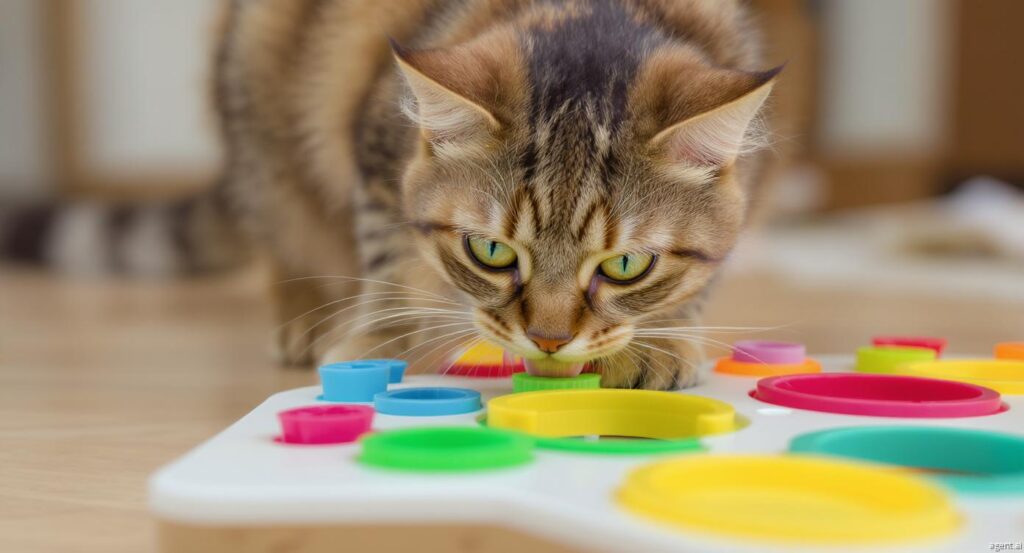
Pet gifts with a holiday theme frequently include fluffy shapes, glitter, vibrant colors, and ornamental accessories. Despite their beauty, these details can be dangerous. The best pet presents prioritize functionality. Pets are kept entertained and protected from damage with rubber chew toys, reinforced tug ropes, thick fabric play partners, and puzzle games made of dense materials.
Additionally, durability promotes cognitive stimulation. Pets can utilize puzzle toys, slow feeders, and multi-stage enrichment gadgets repeatedly because they maintain their structure over time. They assist in lessening boredom-related behaviors like chewing furniture or loud talking by offering both mental and physical challenges. Because they create enduring habits and emotional stability, these are some of the most effective pet presents. (According to the ASPCA holiday pet safety tips, certain decorations, foods, and toys can be risky during celebrations, so choosing safe pet gifts is essential.)
3. Do Give Comfort-Focused Pet Gifts That Support Seasonal Needs
Depending on their breed, size, and coat type, pets are affected by cold weather in different ways. Pets can manage the stress of winter with cozy, seasonal gifts like heated pads, soft blankets, insulated jackets, and improved bedding. Additionally, comfort presents strengthen the bond since they demonstrate understanding of how pets are affected by changes in temperature or holiday noise.
A cozy resting space has the power to change a pet’s behavior. Warm blankets assist elderly animals in unwinding, soft textures soothe nervous canines, and orthopedic mattresses ease the strain on aging dogs’ joints. In the comfort area, a lot of pet presents are straightforward but transformative. For small-breed or thin-coated pets, even a comfortable jumper can make a big impact.
Also Read: National Dog Show 2025: The Complete Origin Story, History, and Why America Loves It

When homes are noisy and crowded, pets tend to seek out designated safe areas. Gifts like weighted blankets, cozy carpets, or cave-style mattresses provide them with a peaceful haven. During the hectic Christmas season, these pet presents offer emotional stability. A thoughtful holiday present promotes both mental fortitude and physical comfort.
4. Don’t Buy Cheap Pet Gifts That Break Easily or Contain Unsafe Materials
Numerous sales and promotional combinations are available during the Christmas season. Cheap pet presents are appealing, but they sometimes lack necessary safety measures. Low-cost toys could be made of brittle plastics, dangerous dyes, or adhesives that break readily under pressure. These objects are more likely to fall apart rapidly due to a pet’s natural tendency to bite, claw, and tug.
A lot of holiday-themed toys are mass-produced without any significant durability testing. Artificial furs, glitter surfaces, and decorative stitching create choking dangers as soon as a pet rips or chews into them. The structural flaw that underlies the appearance is the issue, not the appearance itself.
Gifts for healthy pets should be resistant to daily handling, dampness, and rough play. It is far safer to use robust materials like compressed wood substitutes, heavy-duty canvas, rope fibers, and natural rubber. Avoiding delicate pet presents also helps you feel less stressed because you don’t have to keep an eye out for breaking all the time. Particularly during holidays when clinics are sometimes overbooked, wise gift selections help avoid emergency veterinary visits.
Before selecting treats or toys, it’s important to understand common pet toxins that may be present in poorly made pet gifts.
5. Don’t Give Human Foods or Holiday Treats as Pet Gifts
Assuming that pets can share human treats is one of the most frequent blunders made during festivities. Chocolate, raisins, grapes, candies sweetened with xylitol, and rich desserts are among the many harmful holiday foods. Digestive distress can be brought on by seemingly innocuous snacks like bread stuffing, flavored almonds, or foods high in dairy.
Compared to humans, pets have a different metabolism. Their bodies are upset by sugars, spices, preservatives, and some sweeteners. Offering a taste from the festive meal is quite alluring, but appropriate gifting necessitates self-control. Gifts for pets should be based on nutritional safety rather than joyful interest.
Also Read: Top 3 Dog Breeds at Risk | Why the French Bulldog Faces a Critical Future

Choose pet-safe goods instead of sharing from human plates if you wish to add snacks as holiday pet gifts. Pets can enjoy flavors, balanced nutrition, and controlled ingredients in safe snacks. There are pet treats with holiday themes, but they need to be carefully selected. A well-considered present preserves health rather than jeopardizes it.
6. Don’t Choose Pet Gifts Containing Strong Fragrances, Essential Oils, or Irritants
A lot of seasonal products have strong scents. While room sprays, potpourri, scented candles, and essential oil diffusers improve human surroundings, they can overpower or injure pets. These are sometimes misinterpreted as appropriate gifts, yet they present significant skin and respiratory dangers. Because their systems are unable to break down specific chemicals, cats in particular respond intensely to essential oils.
Aromatic “relaxation sprays,” scented shampoos, and fragrant plush toys sold as pet presents can all trigger reactions. Pets use their sense of smell to explore, and strong smells might cause anxiety or perplexity. Strong scents put needless pressure on the sensory stimulation already created by holidays.
Instead of using artificial fragrance, smart pet presents promote serenity through texture, warmth, and comfort. A safe atmosphere is maintained with natural cotton toys, fragrance-free bedding, and unscented grooming products. Simplicity, not sensory overload, is what makes pets happy.
7. Don’t Give Clothing or Accessories That Restrict Movement or Cause Overheating
While holiday attire is fashionable, not all pets find it enjoyable. Clothing that is synthetic, heavy, or tight might irritate skin, trap heat, or make walking difficult. Accessories that fit poorly can slip, snag, or obstruct breathing. Comfort should take precedence over style when selecting apparel for pets.
Itchy seams and sharp attachments should be avoided, and clothing should fit comfortably and permit natural movement. The best materials include breathable knits, soft fleece, and lightweight cotton. The gift is doing more harm than good if the pet exhibits symptoms of discomfort, such as clawing, shaking, slowing down, or attempting to take off the clothing.
Practicality is the top priority for thoughtful holiday pet presents. For a little or thin-coated dog, a well-fitting jumper can be helpful, but tight or heavy costumes can be stressful. By paying attention to your pet’s behaviour, you can make sure that the gift promotes well-being rather than turning into a novelty item with detrimental repercussions.
Final Thoughts
Gifts for holiday pets should emphasise emotional connection, safety, comfort, and enrichment. When carefully selected, they may turn a hectic season into a calm and happy time for pets. Genuine care, the type that acknowledges a pet’s inner world, instincts, and unspoken needs, is reflected in powerful pet presents. Every pet should receive presents that improve their daily lives rather than only ornamental items. You may create a celebration full of warmth and trust by adhering to these wise and effective dos and don’ts, something that a store-bought item cannot provide on its own.
Also Read: EHV-1 Outbreak Explained: Hidden Causes, Symptoms, Prevention & Global Impact on Horses
FAQs
1. What are the safest and most useful Holiday Pet Gifts for dogs?
Safe and useful Holiday Pet Gifts include durable toys, soft beds, and healthy treats.
2. Are chew toys safe Holiday Pet Gifts for heavy chewers?
Chew toys are safe Holiday Pet Gifts if they’re made for heavy chewers and non-toxic.
3. Can homemade treats be added to Holiday Pet Gifts for allergic pets?
Yes, homemade treats can be added to Holiday Pet Gifts if ingredients are allergy-safe.
4. What Holiday Pet Gifts are best for cats who get bored easily?
Cats love Holiday Pet Gifts like puzzle toys, motion toys, and feather wands.
5. Are clothing items good Holiday Pet Gifts for all pets?
Clothing as Holiday Pet Gifts works only if the pet is comfortable and the fabric is soft.
6. Should grooming products be included in Holiday Pet Gifts for sensitive-skin pets?
Grooming products are fine Holiday Pet Gifts if they’re gentle and made for sensitive skin.
7. Are electronic toys safe? Holiday Pet Gifts for young pets?
Electronic Holiday Pet Gifts are safe for young pets with supervision and good quality.
8. Which Holiday Pet Gifts help anxious pets feel calm?
Anxiety wraps, blankets, and calming sprays make great calming Holiday Pet Gifts.
9. Are edible chews healthy Holiday Pet Gifts for everyday use?
Edible chews are healthy Holiday Pet Gifts when given in moderation and size-appropriate.
10. What Holiday Pet Gifts should be avoided for safety reasons?
Avoid Holiday Pet Gifts with small parts, toxic materials, rawhide, or unsafe electronics.