Introduction
While winter might be lovely, dogs with joint problems frequently experience discomfort that slowly gets worse with each chilly morning. Dogs’ bodies react severely to falling temperatures, even though they may not moan as much as humans do. Particularly in older dogs or breeds vulnerable to hip issues and arthritis, stiff joints, decreased movement, and obvious pain become more prevalent. Slower walks, reluctance to climb stairs, or lengthier naps that don’t seem as restful as they used to are some of the subtle changes that many pet owners first notice.
The first step in making dogs feel better is to understand how cold affects their joints. Cold weather promotes inflammation, tightens muscles, and decreases blood flow to the joints. Seasonal stiffness can progressively develop into long-term mobility problems if left untreated. The good news is that dogs can remain active and comfortable throughout the winter if they receive intelligent, considerate care.
This tutorial looks at doable, realistic, and knowledgeable ways to support dogs’ joints throughout the winter. These techniques are neither costly gimmicks nor drastic therapies. These are routines, modifications, and methods of care that cater to a dog’s innate needs. They can greatly lessen stiffness, soothe pain, and enable dogs to move confidently, even in cold conditions, when used frequently.
Also Read: Calm Pets Terrified by New Year Eve Fireworks | 7 Proven Tips
Understanding Why Winter Is Hard on Dogs’ Joints
It’s crucial to understand what truly happens inside a dog’s body during the winter before focusing on treatments. Muscles and connective tissues constrict in cold weather. This tightness puts additional strain on joints that are already delicate. Winter can swiftly exacerbate discomfort in dogs with arthritis, hip dysplasia, ligament injuries, or age-related degeneration.
Another factor is decreased activity. Less outside play and shorter walks cause muscle weakening, which takes away the joints’ natural support. Joints absorb greater shock when there are weak muscles, which exacerbates pain. Furthermore, weight gain throughout the winter is typical, and even a slight rise in body weight puts additional strain on joints, particularly in dogs.
Some canines are more susceptible than others. Large breeds, elderly dogs, overweight dogs, and dogs with past injuries typically have the most difficulty. However, if a dog’s winter regimen doesn’t include enough activity and warmth, even young, athletic canines may develop joint stiffness.
By being aware of these concerns, dog owners can take preventive measures instead of waiting until the suffering gets too bad.
For expert insights on how cold weather affects joint health and practical winter care approaches, check out this guide on joint health in winter
1. Keep Dogs Warm Without Overheating
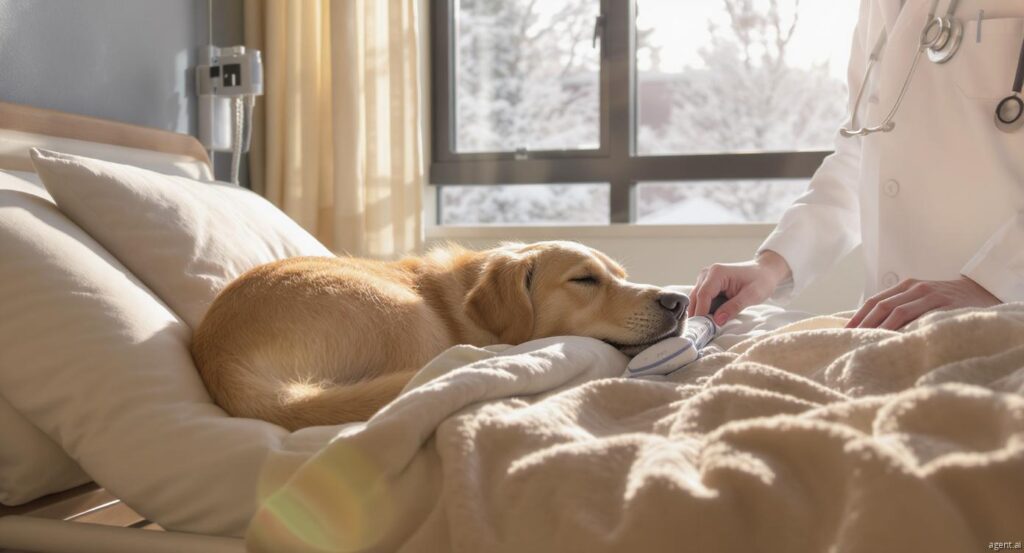
One of the most underappreciated yet effective methods to support dogs’ joints in the cold is through warmth. Joint flexibility and lubrication are directly impacted by cold. Dogs’ joints can move more freely, and their muscles remain relaxed when they are kept warm.
Many people are unaware of how important indoor temperature is. Long-term joint stiffness occurs in dogs who lie on chilly floors or close to drafts. There is a discernible difference when soft, insulated bedding is positioned away from windows and doorways. Because they uniformly distribute body weight and lessen pressure points, orthopedic beds are particularly beneficial for dogs with joint problems.
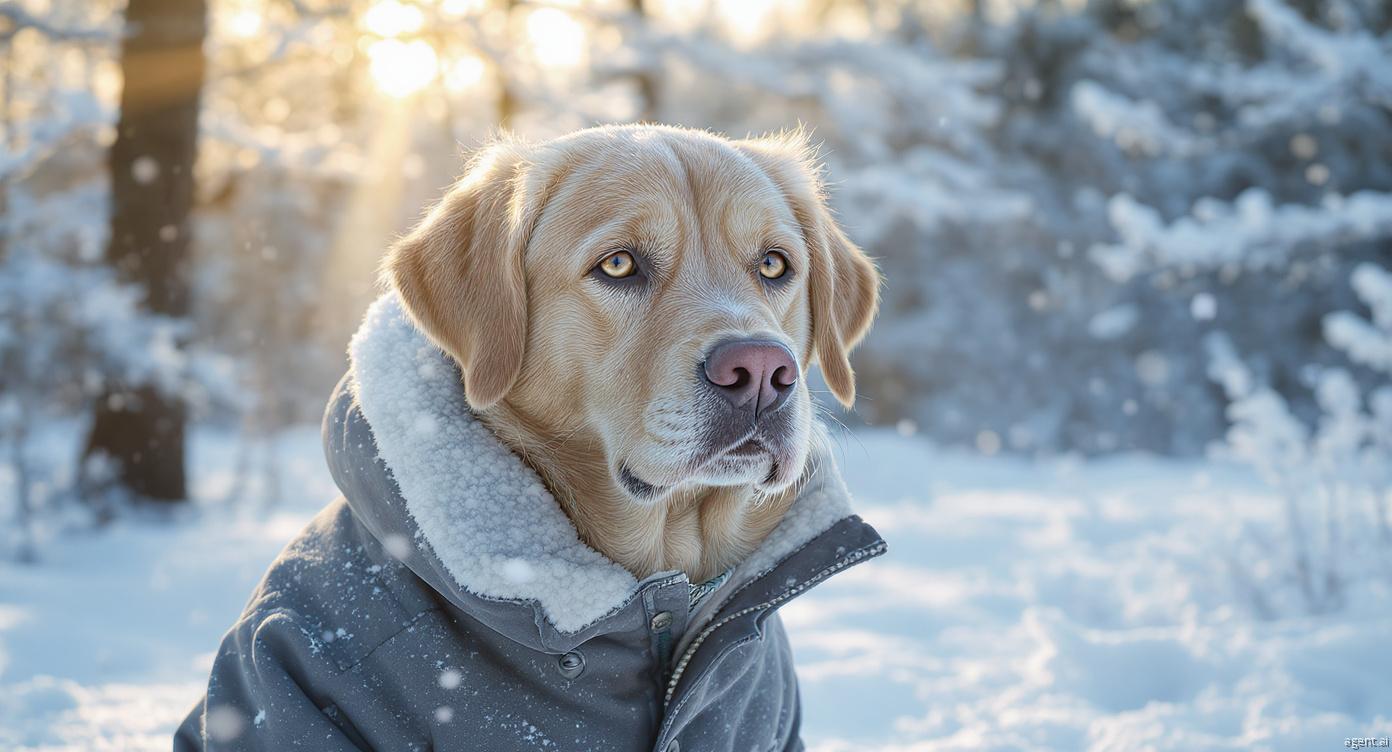
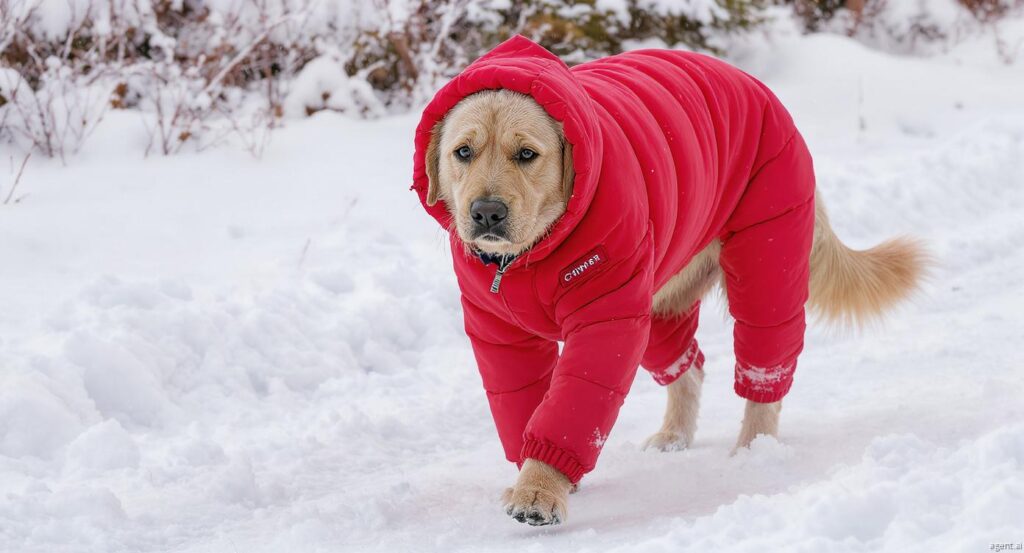
Warmth outside is similarly crucial. Winter coats are often beneficial for dogs with low body fat, short hair, and older dogs. A well-fitting garment indirectly protects the joints by keeping the core muscles warm. Overheating should be prevented, though. Dogs should be comfortable, warm, and free of perspiration.
Dogs should be completely dried after outdoor walks to avoid cold moisture seeping into their muscles and joints. Later in the day, this little habit can help alleviate stiffness.
Also Read: Thanksgiving Pet Safety: 7 Powerful Do’s & Don’ts You’ll Wish You Knew Earlier
2. Maintain Gentle but Consistent Movement
Reducing activities too much is one of the major mistakes dog owners make in the winter. Inactivity frequently exacerbates joint stiffness, despite the temptation to avoid walks on chilly days. Joint health depends on strong muscles and lubricated joints, both of which are maintained by movement.
Long, tiresome excursions are inferior to shorter, more frequent walks. Canines should be able to naturally warm up during these leisurely walks. The danger of strain is increased by sudden bursts of movement, particularly on cold muscles.
Limited outdoor time can be made up for by indoor mobility. Canines can be kept active without undue strain by playing simple games like controlled fetch in a corridor, mild tug, or slow-paced obstacle courses with everyday objects.
Joint flexibility can also be supported by gentle stretching exercises. A joint should never be forced beyond its native range by these. The movement should be stopped right away if a dog displays signs of discomfort or resistance.
Intensity is not as important as consistency. Even a small amount of daily activity promotes long-term mobility and keeps joints from stiffening.
Also Read: National Dog Show 2025: The Complete Origin Story, History, and Why America Loves It
3. Support Dogs’ Joints Through Winter Nutrition
Joint health is directly impacted by what dogs consume in the winter. Muscle strength, cartilage healing, and inflammation are all influenced by nutrition. Canines may eat the same amount of food during the colder months but burn less calories, which can result in weight gain that strains joints.
One of the best strategies to safeguard dogs’ joints is to maintain an optimal body weight. Joint pressure can be considerably reduced with even modest weight loss. Winter weight gain can be avoided with portion control, timed feeding, and restricting high-calorie foods.
In order to support joints, certain nutrients are essential. Omega-3 fatty acids enhance joint lubrication and lessen inflammation. Strong muscles, which stabilize joints, are supported by high-quality protein. Antioxidants aid in the fight against inflammation brought on by stress from the cold.
When joint-support supplements like chondroitin and glucosamine are frequently utilized, they should always be carefully selected, ideally under veterinary supervision. Dosage is important, and not all supplements are made equal.
Another aspect that is often disregarded is hydration. In the winter, canines may consume less water, which could result in less lubrication for their joints. Maintaining healthy joint function requires having access to fresh water at all times.
Also Read: Top 3 Dog Breeds at Risk | Why the French Bulldog Faces a Critical Future

4. Protect Dogs’ Joints from Slips and Impact
For canines with joint problems, winter surfaces can be hazardous. Wet surfaces, ice sidewalks, and slick floors all raise the possibility of falls, which can exacerbate joint damage.
Smooth floors in the house, such as hardwood or tiles, might make dogs slip and strain their joints. Stability and confidence are increased by installing non-slip rugs or runners in areas that are regularly utilized, like hallways and areas close to food bowls. When they feel safe underfoot, canines move more naturally.
Outdoor safety is just as crucial. Uneven terrain is concealed by ice and snow, which raises the possibility of unexpected twists or falls. This risk is decreased by walking dogs on designated paths whenever feasible. Dog booties can indirectly enhance joint stability by protecting paws from chilly surfaces and offering traction.
In the cold, jumping should be avoided. Joints are strained by frequent jumping on and off furniture, particularly when muscles are rigid. Dogs can reach their favorite locations without experiencing impact-related strain thanks to ramps or steps.
Managing pain following an injury is more difficult than preventing joint injuries. Canines’ joints can be greatly protected by making small environmental changes.
5. Use Heat Therapy and Comfort Techniques Wisely
When used properly, heat therapy can be an effective treatment for canines’ stiff joints. Mild warmth eases discomfort, relaxes muscles, and improves blood flow. Stiffness can be relieved with brief applications of warm compresses, particularly after being outside. To protect the skin, the compress should always be warm never hot and applied with a towel. Sessions ought to be short and strictly observed.
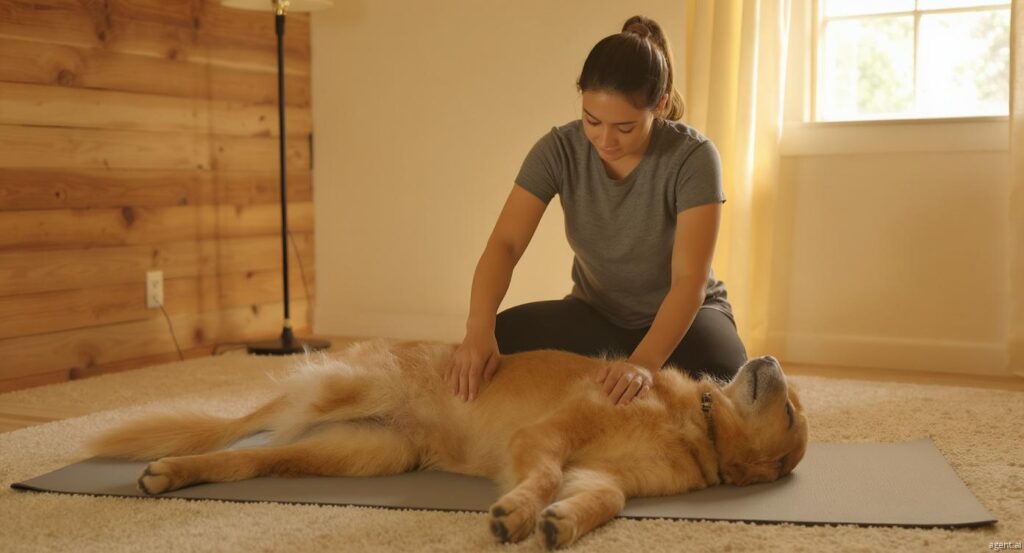
Another useful method for providing comfort is massage. Tension can be released and circulation enhanced by making moderate, gentle movements around the muscles that support the joints. Canines frequently react favorably to massage, exhibiting signals of comfort and relaxation.
Time is of the essence. When dogs are already warm and at ease, such as after an indoor exercise, heat therapy and massage work best. It might be uncomfortable to apply heat to cold, stiff muscles without first warming them. These methods enhance general comfort and mobility during the winter but do not take the place of medical care.
6. Adjust Daily Routines to Match Winter Needs
Dogs need consistency, but winter frequently throws off routines. Weather changes, reduced daylight hours, and lower temperatures necessitate careful modifications to everyday routines.
Canines with joint problems frequently experience morning stiffness. Before walks, give dogs more time to wake up, stretch, and move carefully to avoid strain. When dogs’ joints are stiff, rushing them into exercise makes them more uncomfortable.
Evening routines are important. Before going to bed, engaging in light exercise helps keep joints from stiffening during the night. This could be a moderate play session or a quick stroll inside.
Because there is less physical exercise in the winter, mental stimulation becomes more crucial. Training sessions, scent games, and puzzle toys keep dogs interested without putting undue strain on their joints. Mental enrichment promotes general well-being and lessens restlessness.
Patience and consistency are essential. Canines can maintain healthy levels of activity while moving at their own speed if expectations are modified over the winter. The ASPCA emphasizes how chilly weather can worsen joint discomfort in older pets and offers tips tailored to senior pets’ winter care.
7. Monitor Dogs Closely and Act Early
Winter joint issues frequently get worse over time. Until the pain becomes excruciating, subtle changes may go unnoticed. Early intervention is made possible by closely observing dogs’ behavior.
Slower movement, reluctance to jump or climb stairs, stiffness after rest, changes in posture, and a diminished interest in walking are all indicators of joint discomfort. Pain might make some dogs agitated or reclusive.
For canines with known joint problems, routine veterinary examinations are particularly crucial before and during the winter. A veterinarian can evaluate joint health, modify treatment regimens, and suggest supportive medicines based on seasonal requirements.
Long-term harm is avoided by taking early action. Early treatment of mild stiffness is considerably more beneficial than treating more severe joint discomfort later. Canines depend on their owners to recognize these changes and react appropriately.
Veterinary sources like VCA Animal Hospitals explain common signs and treatments for arthritis in dogs, which is especially important to watch for during the winter months.
How Winter Care Improves Long-Term Joint Health in Dogs
Seasonal comfort is only one aspect of winter care. Canines’ joint health is affected year-round by the habits they develop during the winter months. Age-related degeneration can be avoided by maintaining mobility, a healthy weight, and joint support.
In the spring and summer, dogs who receive regular winter joint treatment frequently exhibit increased mobility. Long-term results are improved by reduced inflammation and preserved muscle strength.
Winter turns into a test of focus. Canines carry a foundation of trust and comfort throughout the year when their owners respond intelligently to seasonal obstacles.
Conclusion
It’s not necessary to make significant adjustments or use complex therapies to help canines’ joints throughout the winter. It has to do with compassion, awareness, and constancy. Although the cold poses significant difficulties, it also affords a chance to improve the relationship between dogs and their owners by providing careful care.
Winter can be made manageable rather than unpleasant for canines by keeping them warm, allowing them to move gently, supporting their joints with food, preventing slips, making sensible use of comfort measures, modifying routines, and keeping a close eye on changes. These clever wintertime techniques help dogs move confidently even in the coldest months by easing pain and reducing stiffness.
Canines are absolutely faithful. One meaningful approach to reward such devotion with comfort, dignity, and care is to support their joint health throughout the winter.
Also Read: EHV-1 Outbreak Explained: Hidden Causes, Symptoms, Prevention & Global Impact on Horses
FAQs
Q1. Why do dogs feel more stiffness in cold weather?
Cold temperatures tighten muscles and reduce flexibility, making movement harder and more uncomfortable.
Q2. Which dogs are more likely to struggle in winter?
Older dogs, large breeds, overweight dogs, and those with previous injuries are more sensitive to cold conditions.
Q3. Does cold weather affect movement levels?
Yes, reduced activity can lead to stiffness, which is why light daily movement is important.
Q4. Can warm bedding really make a difference?
Yes, soft and insulated bedding helps muscles relax and supports comfortable rest.
Q5. Is gentle exercise still important during winter?
Absolutely, short and regular activity helps maintain mobility and prevents stiffness.
Q6. Do indoor activities help during colder months?
Indoor play keeps the body active and supports flexibility when outdoor time is limited.
Q7. Can diet influence comfort levels in winter?
Proper nutrition supports muscle strength and flexibility, helping dogs stay more comfortable.
Q8. Are supplements useful in colder seasons?
They can be beneficial for some dogs, especially seniors, but veterinary advice is recommended.
Q9. Does body weight impact discomfort in winter?
Yes, excess weight increases pressure on the body, making movement more difficult.
Q10. When should professional advice be considered?
If discomfort, limping, or difficulty moving persists, a veterinary check-up is important.