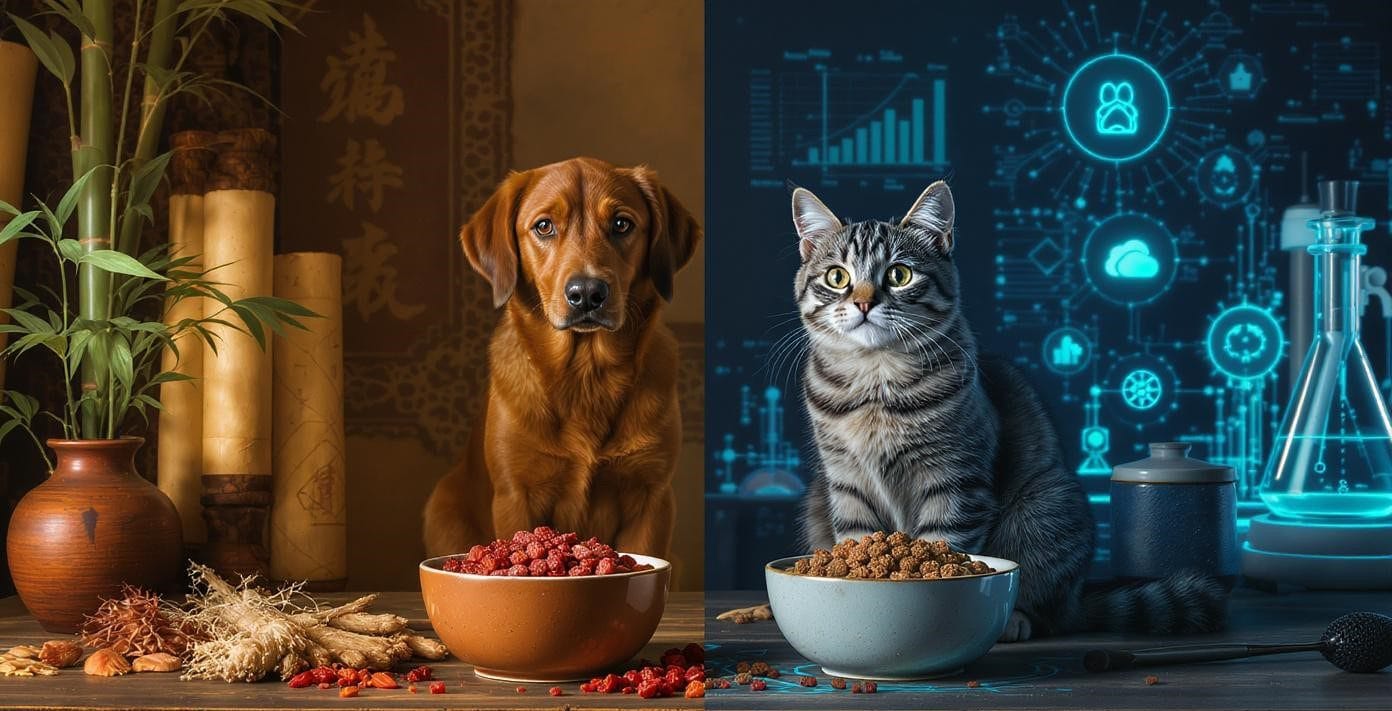
Bridging Cultures: The Hidden Power of Traditional Chinese Medicine, Transforming Pet Food for Better Health or Risky Trend?
In a world where pet owners are becoming increasingly conscious of what goes into their furry friend’s bowl, the pet food market is evolving rapidly. Among the most intriguing developments is the integration of Traditional Chinese Medicine (TCM) into modern pet food formulations.
This cross-cultural blend promises to combine thousands of years of herbal wisdom with cutting-edge nutrition science, but does it truly benefit your pet, or is it just another exotic marketing trend?
Let’s uncover the truth behind this global pet wellness revolution.
The Rising Trend of Functional Pet Food
The pet food industry has shifted from basic nutrition to functional nutrition—food that not only nourishes but also supports specific health functions, such as immunity, digestion, skin, and joint health.
Pet parents are demanding products that mirror their own wellness lifestyles. Just as humans are turning toward ancient remedies and natural healing traditions, pet food companies are exploring herbal and medicinal ingredients once reserved for humans.
Enter Traditional Chinese Medicine, a system of healing that dates back over 2,000 years and focuses on balance, energy flow, and natural ingredients derived from plants, roots, and minerals.
What Is Traditional Chinese Medicine (TCM)?
Traditional Chinese Medicine isn’t just about herbs—it’s a philosophy of harmony. It teaches that health comes from balance: yin and yang, heat and cold, and energy and rest.
For humans, TCM uses tools like:
- Herbal medicine
- Acupuncture
- Dietary therapy
- Qi (energy) balance
When adapted for pet food, TCM focuses on restoring natural balance in a pet’s body—helping them fight disease, manage stress, and age gracefully.
How TCM Is Changing Pet Food Formulations
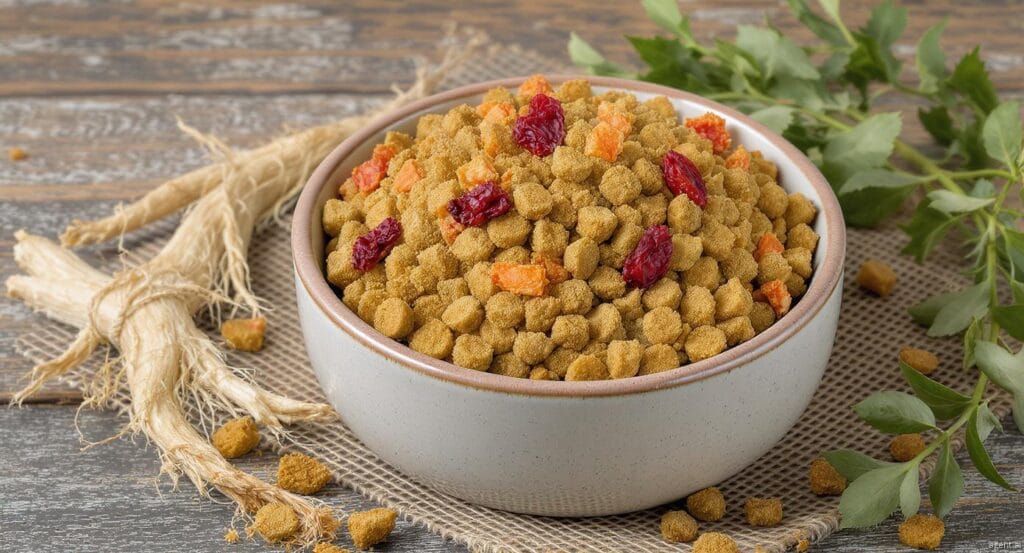
Instead of relying solely on synthetic vitamins or chemical additives, TCM-based pet food uses botanical ingredients that have been used for centuries in Eastern medicine. These include herbs, roots, fruits, and mushrooms that serve functional roles just like supplements for humans.
Also Read: White Iberian Lynx: Rare Discovery and Conservation Success
Common TCM Ingredients Now Seen in Pet Food:
| Ingredient | TCM Function | Pet Health Benefit |
|---|---|---|
| Astragalus Root | Boosts Qi (energy) | Strengthens immunity and vitality |
| Goji Berries | Nourishes liver & kidneys | Enhances vision, supports aging pets |
| Ginseng | Restores energy | Fights fatigue, improves focus |
| Licorice Root | Balances formula & detoxifies | Supports digestion and skin health |
| Reishi Mushroom | Calms spirit | Helps with anxiety, supports immunity |
| Ginger | Warms stomach | Aids digestion and relieves nausea |
These ingredients are being added to both dry kibble and wet pet food and even incorporated into functional treats.
Why Pet Owners Are Embracing Herbal Pet Food
Today’s pet parents don’t just want convenience, they want purposeful nutrition. They read labels, research ingredients, and are quick to spot “greenwashing.”
Top Reasons People Choose TCM-Based Pet Food:
- Natural Ingredients: Derived from plants, not chemicals.
- Holistic Wellness: Addresses emotional and physical balance.
- Preventive Health: Focuses on strengthening the body’s natural defense.
- Cultural Influence: Growing global awareness of Eastern healing wisdom.
- Fewer Side Effects: Herbal formulas tend to be gentler on digestion.
But alongside the excitement, there’s also healthy skepticism: are these claims backed by science?
The Science Behind TCM Ingredients in Pet Food
While some TCM herbs like ginseng and astragalus have documented health effects in humans, scientific validation in pets is still developing.
Recent studies show promise:
- Astragalus may help strengthen the immune response in dogs.
- Reishi mushrooms exhibit anti-inflammatory effects that can aid older pets.
- Ginger supports gut health and reduces nausea in both dogs and cats.
However, dosage and formulation are critical. Not all herbs safe for humans are safe for animals. Hence, when TCM herbs are included in commercial pet food, they’re standardized and tested for safety and toxicity.
Also Read: Also Read: Smart Pet Tech 2025: Powerful Gifts That Truly Care for Pets

Expert Insights: East Meets West
Veterinary nutritionists and herbal experts agree that blending Eastern and Western methods offers a more complete health approach.
Dr. Lisa Chen, a holistic veterinarian, explains:
“When used correctly, traditional Chinese herbs can complement Western veterinary care—offering natural ways to support digestion, energy, and immunity.”
The challenge, however, lies in education and standardization. TCM formulas rely on balance and individual constitution. But pet food must be mass-produced, meaning it’s harder to customize based on each pet’s unique needs.
Cultural Bridge: From Ancient China to Modern Pet Bowls
The idea of TCM-inspired pet food isn’t just a trend—it’s a reflection of globalization. As Chinese pet food companies expand internationally, they bring their traditional knowledge to Western markets hungry for innovation.
At the same time, American and European brands are partnering with TCM experts to create premium “East-meets-West” formulas that combine science, safety, and heritage.
This cultural exchange is not only expanding product diversity but also introducing pet owners to holistic ways of thinking about health.
Potential Risks and Misunderstandings
Like any innovation, TCM-based pet food has its critics. Here’s why some veterinarians urge caution:
- Lack of Regulation: Herbal products vary in quality and potency.
- Limited Research in Pets: Most studies are still human-focused.
- Possible Allergic Reactions: Some herbs may trigger sensitivities.
- Drug Interactions: Herbal ingredients can affect medication absorption.
Pet parents should consult a veterinarian before switching to TCM-based food, especially for pets with chronic illnesses or those on medications.
The Future of Pet Food: Harmony Between Nature and Science
The future of pet food looks bright—and balanced. As global awareness of TCM grows, so does the demand for transparency, sustainability, and evidence-based nutrition.
Expected Future Trends:
- Sustainably sourced herbs: for eco-friendly pet food.
- Scientific validation: through lab testing and clinical trials.
- Integration into veterinary care: for holistic treatment plans.
- Cultural education: for pet parents to understand TCM philosophies.

The next generation of pet food could be one where ancient wisdom and modern nutrition coexist beautifully.
Also Read: Winter Warning: Powerful Ways to Keep Your Pet Safe in Winter and Joyful
Key Takeaway
If used carefully and intelligently, traditional Chinese medicine has a lot to offer the contemporary pet food industry. Its all-encompassing strategy complements what pet owners already value: balance, prevention, and natural well-being.
But the secret to success is bridging cultures in a responsible way, honoring TCM’s historical foundations while utilizing the scientific method that guarantees our pets’ safety.
The health and happiness of our beloved dogs are ultimately what count, regardless of whether we live in the East or the West.
FAQ
1. What is Traditional Chinese Medicine (TCM) in pet meals?
Ans. It involves using traditional Chinese herbs and natural ingredients in pet meals to support balance, immunity, and overall wellness.
2. Are TCM-based meals safe for dogs and cats?
Ans. Yes, when properly formulated and tested, but it’s best to consult a veterinarian before changing meals.
3. Which Chinese herbs are used in pet meals?
Ans. Common ingredients include ginseng, goji berries, astragalus, licorice root, and reishi mushrooms.
4. Can herbal pet meals replace regular veterinary care?
Ans. No, they support daily health but should not replace professional veterinary treatment.
5. What are the main benefits of TCM-based pet meals?
Ans. They may support immunity, digestion, inflammation control, and natural balance.
6. Are there risks with Traditional Chinese Medicine pet meals?
Ans. Possible risks include allergies or interactions, so quality sourcing and vet guidance are important.
7. How can I identify high-quality TCM pet meals?
Ans. Look for clear ingredient labeling, safety testing, and transparent sourcing practices.
8. Can Eastern and Western nutrition approaches work together?
Ans. Yes, combining both creates a more balanced and holistic nutrition approach.
9. Can TCM support aging or unwell pets?
Ans. Certain herbs may help support energy, immunity, and vitality in senior pets.
10. What is the future of TCM in pet meals?
Ans. Growth is expected through more research, sustainable sourcing, and safe functional formulations.
Also Read: Shocking Dog Owner Mistakes That Secretly Cut Years Off Your Dog’s Lifespan