Introduction
An EHV-1 outbreak is one of the most serious and stressful situations any horse owner, trainer, barn manager, or breeder can face. When a stable or equine facility experiences an EHV-1 outbreak, everything immediately shifts into emergency mode. Horses must be isolated, barns must be disinfected, upcoming events get canceled, and the entire equine community enters a high-alert state.
EHV-1, short for Equine Herpesvirus-1, is a highly contagious virus that affects the respiratory system, reproductive system, and, in many cases, the nervous system of horses. An EHV-1 outbreak can spread incredibly fast because the virus moves through the air, direct contact, contaminated tools, shared water sources, and even on human hands, shoes, or clothes.
An EHV-1 outbreak is made even more terrifying by the fact that the virus can remain latent within a horse for a lifetime until it abruptly reactivates during stressful situations like travel, competitions, weather changes, or illness, and then silently spreads.
Large EHV-1 outbreaks that resulted in significant financial losses, canceled exhibitions, and even equine deaths have been reported in a number of regions in recent years, including the United States, Canada, the United Kingdom, Europe, and the Middle East. Globally, horse owners have come to the conclusion that comprehending an EHV-1 outbreak is crucial.
Let’s break it down simply, clearly, and fully in a way every horse owner can understand.
Also Read: 10 Whale Facts That Will Truly Inspire You and 5 That Might Seriously Shock You
1. What Is EHV-1?
The herpesvirus known as EHV-1 (Equine Herpesvirus-1) mainly affects horses, but it functions similarly to other herpesviruses that affect a variety of animals, including humans. The virus may remain dormant or buried inside a horse’s body for years after infection. This latent virus can reactivate and start an EHV-1 outbreak in a stable under stressed circumstances.
Three main disease types are frequently caused by EHV-1:
Respiratory Disease
This form looks similar to a typical cold or flu in horses. Symptoms include fever, runny nose, lethargy, and coughing.
Neurological Disease (EHM, Equine Herpes Myeloencephalopathy)
This is the most dangerous outcome of an EHV-1 outbreak.
EHM affects the horse’s spinal cord and brain, leading to:
- Hind-limb weakness
- Difficulty walking
- Trouble standing
- Tail weakness
- Loss of coordination
- In severe cases, complete paralysis
Reproductive Disease
EHV-1 can cause sudden abortion in pregnant mares, often without warning. Foals may be born weak or premature or may not survive. Because EHV-1 can affect the lungs, the nervous system, and reproduction, an EHV-1 outbreak can cause a wide range of symptoms, making it difficult to predict or control.
2. How an EHV-1 Outbreak Starts
The majority of EHV-1 outbreaks start quietly. Although an infected horse may frequently exhibit no symptoms, it can still spread the virus through breathing, touching common equipment, and interacting with other horses. Without anybody noticing, these “silent carriers” can initiate an EHV-1 outbreak.
The most typical triggers are as follows:
3. New Arrivals or Traveling Horses
Horses that travel to shows, competitions, races, auctions, or training facilities have the highest risk.
If one exposed horse returns to the barn, an EHV-1 outbreak can begin immediately.
Stress
Stress weakens the immune system and can cause dormant EHV-1 to reactivate. Stressors include:
- Long-distance travel
- Overexertion
- Weather changes
- Overcrowded barns
- Poor ventilation
- New horses entering the herd
Close Contact and Shared Spaces
An EHV-1 outbreak can easily flourish in a barn with cramped, crowded stalls, inadequate ventilation, and communal feeding or watering areas. Viruses transmit far more readily among horses that live in close quarters and breathe the same air. Infectious particles can persist due to restricted airflow, and grooming tools, feed tubs, and sharing buckets can act as silent viral carriers. Under these circumstances, a single infected horse might start a rapidly spreading EHV-1 outbreak, endangering every horse in the barn.
Also Read: Giant Panda: 11 Shocking Truths About This Cute but Endangered Icon

Indirect Transmission
Humans unintentionally spread EHV-1 through:
- Clothing
- Shoes
- Grooming equipment
- Water buckets
- Feed tubs
- Blankets
- Cross-ties
While humans do NOT get sick from EHV-1, they can easily help spread it during an EHV-1 outbreak.
3. Symptoms of EHV-1 Infection
One of the most crucial stages in halting an EHV-1 epidemic before it spreads to other horses in the barn or facility is identifying early symptoms. Because the virus spreads quickly, owners and caregivers can isolate a sick horse, contact a veterinarian, and stop a minor infection from developing into a major EHV-1 outbreak by spotting warning signals as soon as they emerge. Let’s divide the symptoms into distinct categories and examine how each one manifests in actual circumstances so that we may learn what to look out for.
4. Respiratory Symptoms
These are usually the first signs horse owners notice during an EHV-1 outbreak.
- Fever (often 103°F–106°F)
- Nasal discharge (clear or cloudy)
- Coughing
- Lethargy
- Reduced appetite
- Swollen lymph nodes
- Depression or dull behavior
If two or more horses develop a sudden fever, it may be the beginning of an EHV-1 outbreak.
Neurological Symptoms (EHM)
This is the most severe complication of an EHV-1 outbreak.
- Hind-limb weakness
- Wobbly or uncoordinated walking
- Difficulty rising
- Tail weakness
- Urinary incontinence
- Inability to stand
Neurological cases from an EHV-1 outbreak are considered medical emergencies.
Also Read: 10 Mind-Blowing Facts About Whale Communication: Why It May Be Smarter Than Dogs & Cats
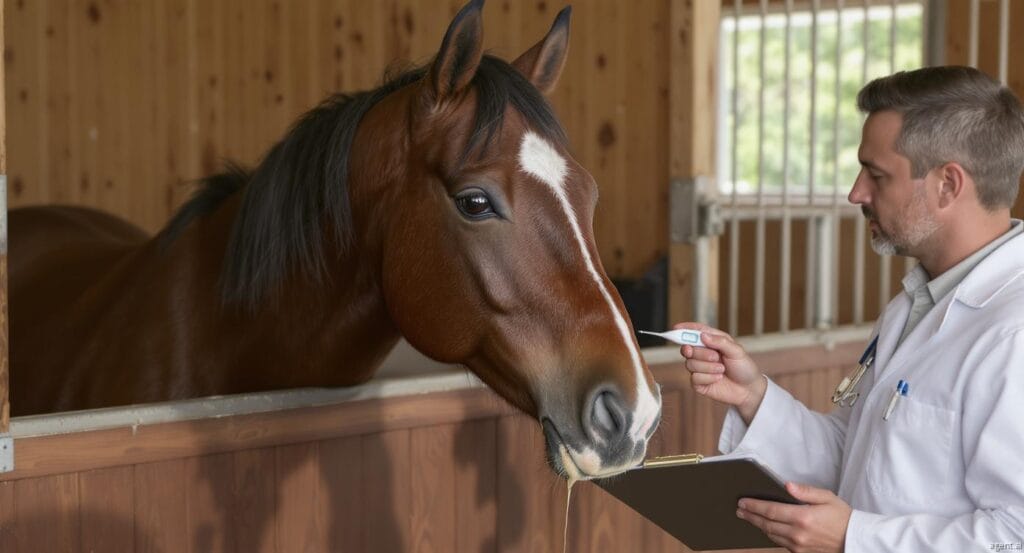
Reproductive Symptoms
During an EHV-1 outbreak, pregnant mares are at the highest risk.
- Late-term abortion (7–11 months pregnant)
- Weak newborn foals
- Stillborn foals
- Foals that die shortly after birth
Often, the mare shows no symptoms before the abortion, making EHV-1 outbreak prevention extremely important for breeding barns.
5. How Dangerous Is an EHV Outbreak?
An EHV-1 outbreak is considered one of the most serious and dangerous equine health threats for several important reasons. This virus spreads quickly, hides easily, and can affect horses in multiple ways, making it extremely difficult to control once it enters a barn or training facility. Unlike many common illnesses, an EHV-1 outbreak can harm the respiratory system, the nervous system, and even unborn foals, creating a multi-layered risk that owners must take seriously. Because of its ability to travel through the air, survive on contaminated surfaces, and move silently from horse to horse, it remains one of the most feared infectious diseases in the equine world.
High Contagiousness
One infected horse can trigger a large EHV-1 outbreak in just a few hours because the virus spreads through both the air and direct contact. When an infected horse coughs, sneezes, or even breathes heavily, tiny viral particles are released into the surrounding air and can travel several feet. Horses standing nearby can inhale these particles without showing any immediate signs of illness. The virus also spreads through shared equipment, water buckets, tack, grooming tools, and even the hands or clothing of people moving between stalls. This combination of airborne transmission and physical contact makes it incredibly easy for a single sick horse to spark a fast-moving EHV-1 outbreak that puts an entire barn at risk.
Neurological Cases Are Life-Threatening
Once EHM symptoms appear, recovery becomes uncertain, even with aggressive treatment. Neurological damage can progress quickly, and some horses lose the ability to stand, walk normally, or control their hind limbs. Even with intensive veterinary care, many horses respond slowly, and some never regain full mobility. The stress of the illness can weaken the immune system further, making complications more likely. Because of this unpredictable outcome, owners and vets act urgently when EHM signs appear during an EHV-1 outbreak, knowing that early action can make the difference between life and death.
Economic and Emotional Impact
An EHV-1 outbreak can lead to:
- Event cancellations
- Travel bans
- Lost training time
- Breeding losses
- Emergency vet costs
Long-Term Barn Shutdown
Until the EHV-1 infection is completely contained, a barn may need to close for four to eight weeks, or perhaps longer. During this time, horses are not permitted to enter or exit, and daily adherence to stringent biosecurity regulations is required. All exposed horses have adequate time to safely recover from the infection during this downtime, which also helps stop the virus from spreading to other facilities. Normal barn operations can only resume after many negative tests.
6. How EHV-1 Spreads
Stopping an EHV-1 outbreak requires an understanding of how the virus spreads. Owners and caregivers can close the gaps that allow the virus to spread from horse to horse when they are aware of the precise routes of transmission. Additionally, having clear knowledge enables barns to establish more stringent biosecurity regulations and act more quickly when a sick horse is discovered. In other words, it gets easier to break the cycle of infection as knowledge increases.
“For detailed medical information on how the virus spreads, the Merck Veterinary Manual on EHV-1 provides a full breakdown.”
Direct Transmission
Nose-to-nose contact spreads the virus rapidly.
Airborne Spread
EHV-1 can travel through tiny droplets when an infected horse breathes, snorts, or coughs.
Shared Tools and Equipment
Common items that spread EHV-1 during an outbreak:
- Feed buckets
- Water troughs
- Grooming tools
- Halters
- Lead ropes
Human Hands and Clothing
People can unwittingly spread the infection from one horse to another without even recognizing it. Humans are silent carriers of the virus because it might adhere to hands, clothing, boots, or grooming utensils. If precautions aren’t taken, even a brief visit between stalls can spread infection. Because of this, maintaining good hygiene is essential during an EHV-1 outbreak.
Also Read: Vaccines: 7 Shocking Truths About Pet Owners Who Refuse Them
Trailers and Transport
Transporting horses is one of the fastest ways an EHV-1 outbreak begins because travel puts horses in close contact and exposes them to contaminated trailers, equipment, and new environments.
Bedding, Stalls, and Manure
Poorly disinfected stalls become major risk points because the virus can survive on walls, doors, and surfaces for several days. Even one contaminated area can restart an EHV-1 outbreak if not cleaned properly.
7. Early Identification of an EHV-1 Outbreak
Early detection saves lives by allowing quick isolation and treatment before the virus spreads.
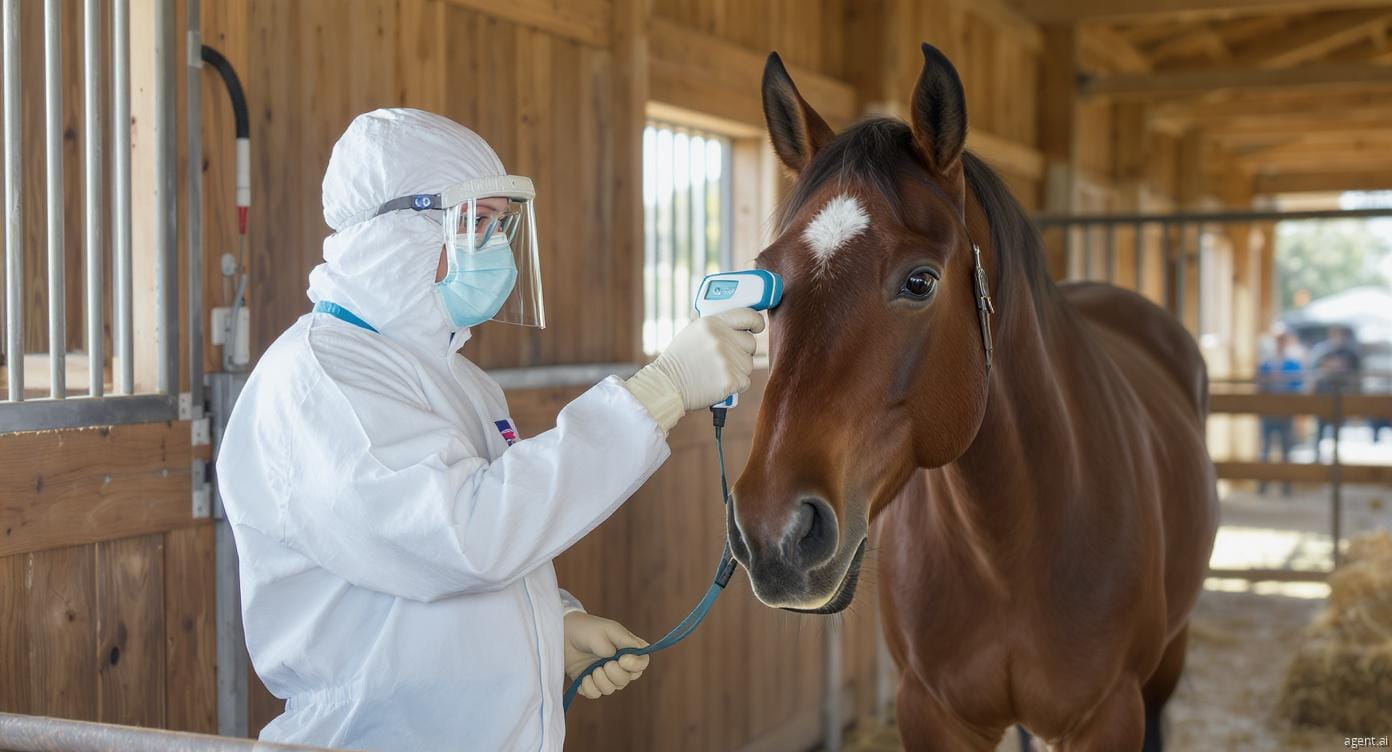
Daily Temperature Monitoring
During or after an EHV-1 outbreak, horses should be checked twice daily.
A sudden fever is the number one red flag.
Quarantine Protocol
New arrivals must be isolated for 21–28 days to ensure they aren’t carrying the virus before joining the main barn.
Testing (PCR Swabs)
The PCR test is the most accurate method for confirming an EHV-1 outbreak because it can detect even small amounts of the virus quickly and reliably.
Warning Signs
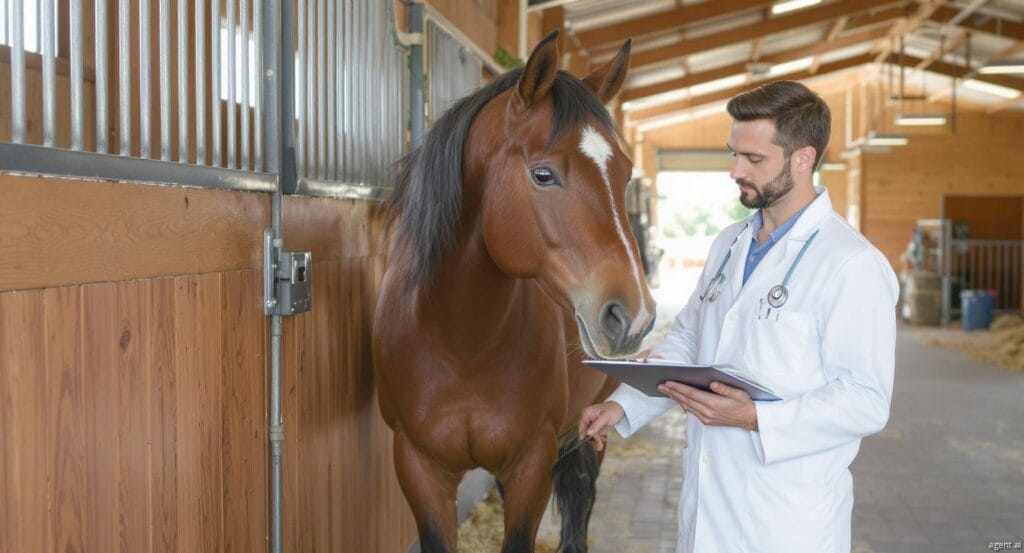
Call a veterinarian immediately if:
- Two horses have an unexplained fever
- Any horse shows neurological symptoms
- A pregnant mare aborts
These events often indicate an early EHV-1 outbreak.
8. Treatment Options
Although EHV-1 has no known cure, many horses can still recover with the correct treatment. Complications can be decreased with supportive care, rest, and close observation. During an EHV-1 outbreak, early intervention also increases the horse’s chances of stabilizing.
Supportive Care
- Fluids
- Anti-inflammatory medications
- Pain relief
- Rest
- Good hydration
Antiviral Drugs
In order to lessen the effects of the virus, particularly during an EHV-1 outbreak, some vets recommend antivirals such as valacyclovir. In high-risk horses, these drugs may lessen viral shedding and halt the disease’s course, but they cannot cure it.
Neurological Support
Horses with neurological issues during an EHV-1 outbreak may need:
- Sling support
- Soft bedding
- Frequent repositioning
- Stable footing
Strict Isolation
Infected horses must be kept completely separate from healthy horses to prevent the virus from spreading. Strict isolation is one of the most effective ways to slow or stop an EHV-1 outbreak, especially in busy barns.
Also Read: Dog Trainer Warns: 5 Dog Breeds You Should Avoid | But Here’s the Twist!
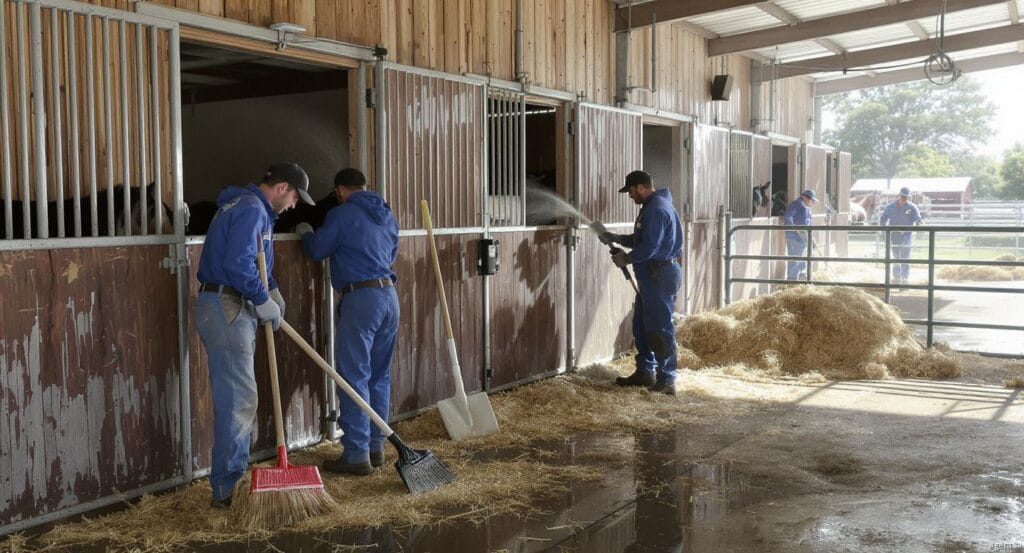
9. How to Prevent an EHV-1 Outbreak (Complete Guide)
Since managing an active EHV-1 epidemic is much more difficult than stopping the virus before it reaches the barn, prevention is the best line of defense. The risk of infection is significantly decreased by good sanitation, stringent isolation procedures, and conscientious horse care. The likelihood of an outbreak is significantly reduced when all owners, riders, and caregivers take the necessary precautions. The entire equine community is safeguarded by consistent prevention, not just individual horses.
Vaccination
Vaccines help reduce:
- Respiratory symptoms
- Viral shedding
- Spread risk during an EHV-1 outbreak
Biosecurity Rules
- Do not share equipment
- Disinfect tools
- Wash your hands between horses
- Limit visitors
“Owners should follow AAEP equine disease guidelines for proper isolation and hygiene practices.”
Quarantine New Arrivals
The golden rule is simple: keep new or exposed horses isolated for 21–28 days to prevent any hidden infection from starting an EHV-1 outbreak.
Barn Hygiene
- Improve ventilation
- Reduce dust
- Clean stalls daily
Travel Safety
After a show, isolate horses before returning them to the main barn to prevent an EHV-1 outbreak.
10. What to Do During an Active EHV-1 Outbreak
If your barn is experiencing an EHV-1 outbreak, follow these steps immediately:
Lock Down the Facility
No horses should move in or out during this time, as any travel can easily trigger or worsen an EHV-1 outbreak.
Create Quarantine Zones
Keep sick horses in one clearly separated area and healthy horses in another, as this physical separation is one of the simplest ways to slow an EHV-1 outbreak.
11. Temperature Checks Twice Daily
Disinfection Routine
Clean stalls, hallways, and shared tools every day, because consistent sanitation greatly reduces the chances of an EHV-1 outbreak spreading through contaminated surfaces.
Communicate With Veterinarians
Consistent testing and frequent updates make it easier to monitor the EHV-1 epidemic and determine how the virus is spreading across the barn. Veterinarians and caregivers can react swiftly and modify safety precautions as necessary thanks to this knowledge.
12. Global Impact of EHV-1 Outbreaks
Recent years have shown how serious an EHV-1 outbreak can be.
Major outbreaks have led to:
- Large competition cancellations
- Lockdowns of major equine centers
- Travel restrictions
- Economic losses in the millions
- Loss of horses
- Breeding problems
The global equine industry treats an EHV-1 outbreak as a top-tier emergency.
“Global monitoring reports from WOAH equine disease updates help track how outbreaks affect horses worldwide.”
Conclusion
An EHV-1 outbreak remains one of the most challenging threats the horse world must manage. The virus spreads quickly, impacts several systems of the horse’s body, and can lead to severe illness or even death in serious cases. However, with early detection, strong biosecurity practices, proper hygiene, timely vaccination, and immediate action, an EHV-1 outbreak can be contained and, in many situations, fully prevented.
Every horse owner, trainer, and stable manager plays a critical role in keeping horses safe. Staying informed, remaining prepared, and taking proactive steps are the best defenses against future problems. The more we understand how an EHV-1 outbreak develops and moves through a barn, the better we can protect our facilities, events, and equine communities.
FAQ
1. What is this virus outbreak in horses?
It is a rapid spread of a contagious herpesvirus that affects horses in barns, stables, or events.
2. How does the virus spread?
It can spread through the air, direct nose-to-nose contact, shared buckets, contaminated tools, and even on people’s clothing or hands.
3. What early signs should owners watch for?
Fever, coughing, nasal discharge, tiredness, and reduced appetite are common early indicators.
4. What makes the neurological form dangerous?
It can cause weakness, stumbling, difficulty walking, and in severe cases, paralysis.
5. Can the disease be fatal?
Yes, serious respiratory or neurological cases can become life-threatening without fast treatment.
6. How long should sick horses be isolated?
Most veterinarians recommend keeping them separate for 21–28 days.
7. Is there a complete cure?
There is no full cure, but supportive care, antivirals, and close monitoring can help horses recover.
8. How long can a barn stay closed during an outbreak?
Many barns remain closed for 4 to 8 weeks or longer until all horses test negative.
9. Can the disease be prevented?
Yes. Strong hygiene, vaccination, and strict biosecurity greatly reduce the risk.
10. Can humans get infected?
People cannot get the virus, but they can accidentally carry it between horses if precautions are not taken.