Introduction: Understanding the Crisis Behind Popular Breeds
Across the world, dogs are cherished as loyal companions, emotional anchors, and beloved members of the family. But social trends, viral content, and aesthetic preferences have rapidly increased interest in certain breeds—often without awareness of their underlying health challenges. Some breeds suffer silently as demand increases because of genetic flaws, breathing restrictions, and inherited illnesses. Three breeds are consistently at the top of the list when experts discuss dog breeds at risk. Leading them is the much-loved French Bulldog, a breed whose widespread appeal has inadvertently put it in grave danger.
This article explores the three most vulnerable breeds globally and explains why the French Bulldog faces the most critical future.
Also Read: EHV-1 Outbreak Explained: Hidden Causes, Symptoms, Prevention & Global Impact on Horses

French Bulldog: The World’s Most Popular Yet Most Fragile Companion
Why the French Bulldog Became a Worldwide Favorite
The French Bulldog has become a global phenomenon. Their compact size, expressive faces, playful personality, and suitability for urban living have made them popular everywhere—from apartments to family homes. But behind their irresistible charm lies a breed burdened with anatomical restrictions and genetic challenges.
Breathing Difficulties: The Biggest Silent Threat
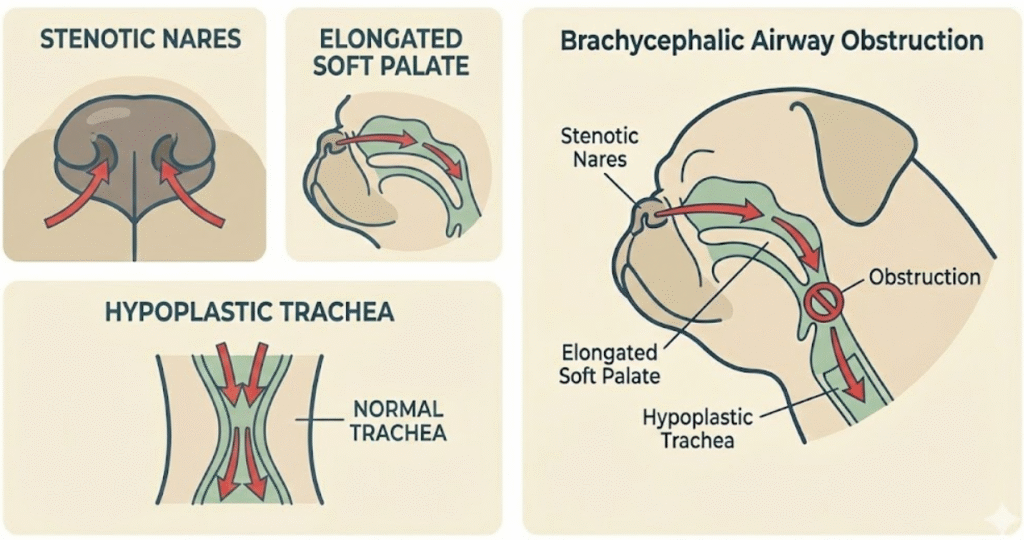
The signature flat face of the French Bulldog is linked to Brachycephalic Obstructive Airway Syndrome (BOAS), a condition that narrows the airways and makes breathing difficult. Many suffer from:
- Noisy breathing
- Snorting, wheezing
- Low stamina
- Heat intolerance
- Interrupted sleep
- Sudden breathing distress
Veterinarians worldwide concur that the French Bulldog’s significant respiratory restrictions make it one of the dog breeds at risk.
Heat Sensitivity Everywhere, Not Just in Hot Regions
Because they struggle to regulate body temperature, French Bulldogs are prone to heat exhaustion even in moderate climates. Simple activities like short walks, playtime, or exposure to mild sun can trigger:
- Overheating
- Fatigue
- Collapse
- Heatstroke
Owners everywhere must maintain a cool living environment for this breed.
Reproductive Barriers and Genetic Decline
One of the most alarming issues facing the French Bulldog is its inability to reproduce naturally. Most require:
- Artificial insemination
- Cesarean deliveries
This has led to limited genetic diversity, which increases:
- Disease prevalence
- Congenital abnormalities
- Weaker immune systems
- Reduced lifespan
This makes the breed one of the most biologically fragile among all dog breeds at risk.
Common Health Disorders
French Bulldogs frequently experience:
- Spinal deformities
- Eye injuries
- Chronic allergies
- Skin fold infections
- Ear problems
Many require lifelong medical management and repeated veterinary care.
Why the French Bulldog Is in Critical Danger
- Rapid global demand encourages irresponsible breeding
- Genetic diversity is shrinking worldwide
- Serious health issues appear earlier in life
- Lifespan is gradually declining
- Many dogs rely on corrective surgeries to survive comfortably
Without significant breeding reforms, the French Bulldog may face long-term biological collapse.
Also Read: 10 Whale Facts That Will Truly Inspire You and 5 That Might Seriously Shock You

English Bulldog: A Global Icon With Serious Risks
Why the English Bulldog Is One of the Top Dog Breeds at Risk
The English Bulldog’s sweet disposition and distinctive features have earned it global admiration. However, because of its extreme physical characteristics, it also has serious health issues. It is susceptible to numerous chronic illnesses due to its small frame, hefty body, and short nose.
Health Risks That Affect Quality of Life
Common issues include:
- Restricted airways
- Overheating
- Heart problems
- Severe joint conditions
- Persistent skin infections
Bulldogs often struggle to run, play, or stay active without discomfort.
According to global veterinary health guidelines, early detection and responsible care are essential for breeds with chronic health risks.
Reproductive Challenges
The majority of English Bulldogs also need cesarean deliveries because of the breed’s oversized anatomy. This raises hereditary illnesses and further decreases genetic diversity.
Why This Breed’s Future Is Uncertain
The English Bulldog will continue to be one of the most susceptible dog breeds at risk, requiring rigorous lifelong care, in the absence of new breeding techniques and genetic screening.
Also Read: Giant Panda: 11 Shocking Truths About This Cute but Endangered Icon

Pug: A Small Dog With Major Health Vulnerabilities
Why Pugs Are Considered at Risk
Pugs are adored worldwide for their joyful, affectionate personalities. But the same flat face and large eyes that make them appealing create serious medical risks.
Respiratory and Eye-Related Problems
Pugs struggle with:
- BOAS
- Snoring and labored breathing
- High heat sensitivity
Their protruding eyes make them susceptible to:
- Corneal ulcers
- Injuries
- Dryness
- Infections
Neurological Concerns and Obesity
Pugs are prone to Pug Dog Encephalitis (PDE), a fatal neurological disease unique to the breed. They also gain weight easily, which aggravates other health problems.
Why Their Future Needs Attention
Like the French Bulldog, Pugs require careful breeding, medical awareness, and responsible ownership to improve their long-term survival.
Why the French Bulldog Is Highlighted as the Breed Facing the Most Critical Future
While all three breeds are part of the major group of dog breeds at risk, the French Bulldog stands at the most alarming point globally.
Fastest-Growing Popularity in the World
This rapid demand leads to:
- Overbreeding
- Backyard breeding
- Health is being ignored for appearance
- Weak bloodlines are spreading worldwide
The Lowest Natural Reproduction Ability
The French Bulldog has reached a point where natural reproduction is extremely rare, making the breed heavily dependent on artificial methods such as assisted mating and Cesarean deliveries. This reliance is not just a medical concern; it creates a long-term biological risk that affects the entire breed.
When only a small number of dogs are capable of contributing to future generations, genetic diversity begins to shrink dramatically. Over time, this limited gene pool increases the likelihood of inherited disorders, weak immune systems, and chronic health problems that continue to intensify with each new generation.
For this reason, the French Bulldog is considered one of the most vulnerable dog breeds at risk, facing a future where improving genetic health becomes more difficult unless breeding practices shift toward sustainability, diversity, and long-term welfare.
The French Bulldog health overview highlights how issues like airway obstruction and spinal abnormalities are becoming increasingly common.
Also Read: 10 Mind-Blowing Facts About Whale Communication: Why It May Be Smarter Than Dogs & Cats
The Highest Frequency of Airway Surgeries
Many French Bulldogs struggle with breathing throughout their lives, and many finally require surgery just to breathe. They are among the most medically dependent and high-risk dog breeds due to their dependency on medical intervention, which highlights the effects of extreme breeding on their general health and respiratory health.
Lifespan Declining Internationally
There is a noticeable increase in early-onset health issues as more dogs are being diagnosed with serious illnesses before they even reach age five. Concerns over long-term health and the causes of this early decrease are raised by this pattern.
Rising Ethical Concerns Worldwide
Animal welfare organizations from all around the world are calling for major revisions to the current breeding regulations, claiming that many methods no longer put the long-term health and welfare of dogs first.
These groups stress that many vulnerable breeds’ general quality of life will continue to deteriorate in the absence of measures targeted at lowering inherited health issues and enhancing moral breeding practices. Their combined efforts draw attention to a worldwide concern for ethical breeding, genetic sustainability, and better protection for endangered dog breeds.
How Responsible Owners Can Protect These Breeds
Choose Ethical Breeders
Responsible breeders focus on:
- Genetic testing
- Longer muzzle lines
- Health-first selection
- Diversity in bloodlines
Prepare for Medical Care
Potential owners must be ready for:
- Regular veterinary checkups
- Specialist treatments
- Skin and allergy management
- Heat precautions
Consider Adoption
Globally, an increasing number of French Bulldogs, Pugs, and English Bulldogs are being given up because their owners are unable to cover the mounting costs of treating long-term medical conditions. These breeds frequently have persistent skin, respiratory, and mobility issues that can quickly become financially and emotionally taxing for owners.
In addition to providing these dogs with a second opportunity at a secure and loving home, adopting them also lessens the general suffering brought on by careless breeding and the high abandonment rates associated with health issues.
Support Breeding Reforms
In order to ensure the long-term survival of dog breeds at risk, health-focused breeding methods are becoming more and more crucial. Many vulnerable breeds may continue to have deteriorating well-being and shorter lifespans in the absence of a greater focus on genetic health, prudent pairings, and the elimination of inherited illnesses.
Making healthy breeding practices a priority not only helps protect these breeds for future generations but also enhances their general quality of life, ensuring they may flourish rather than suffer from avoidable health problems.
Owners can rely on trusted pet health and care advice to manage early symptoms and support vulnerable breeds.
Can These Breeds Be Saved?
Yes, but real improvement can happen only when everyone participates. A collective global effort is necessary to create lasting, positive change for vulnerable dog breeds.
Improving the future of the French Bulldog and other dog breeds at risk requires:
- Breeding healthier facial structures
- Expanding genetic diversity
- Enforcing health standards
- Educating new dog owners
These steps can help transform these fragile breeds into healthier companions worldwide.
Conclusion: A Shared Responsibility for the Future of Beloved Breeds
The French Bulldog, English Bulldog, and Pug are adored across the globe. Their delightful personalities and unique looks have made them iconic. But true love for these breeds means acknowledging the challenges they face and making informed, responsible decisions.
Stronger global animal protection efforts are needed to ensure a healthier future for all dog breeds at risk.
Among all dog breeds at risk, the French Bulldog stands at a critical point. Without responsible breeding and global awareness, its long-term future remains uncertain.
By understanding their needs and supporting ethical breeding, we can ensure these cherished breeds continue to live healthier, happier lives for generations to come, everywhere in the world.
Also Read: Vaccines: 7 Shocking Truths About Pet Owners Who Refuse Them
FAQs
1. Why are some dog breeds considered “at risk”?
Dog breeds at risk often face inherited health problems caused by selective breeding, limited genetics, or extreme physical traits.
2. Why is the French Bulldog often highlighted among dog breeds?
The French Bulldog is frequently discussed because its narrow genetic pool and flat-faced structure make it prone to breathing, skin, and mobility issues.
3. Are French Bulldogs truly facing a critical future?
Yes, many experts believe the French Bulldog may face long-term decline without improved breeding standards and stronger health screenings.
4. Which other dog breeds are commonly listed as at risk?
Pugs and English Bulldogs are two other popular dog breeds at risk due to similar respiratory and structural challenges.
5. Can responsible breeding reduce health issues in these breeds?
Yes, health-focused breeding can significantly lower the risk of inherited conditions and support healthier generations.
6. Why do owners surrender French Bulldogs and similar breeds?
High medical costs, frequent vet visits, and chronic health conditions often lead families to surrender these dogs.
7. Is it safe to adopt a dog from an at-risk breed?
Yes, adoption is safe, but it’s important to be prepared for possible long-term health care and regular checkups.
8. How can owners support the well-being of dog breeds at risk?
Providing proper nutrition, avoiding overexertion, ensuring routine vet care, and choosing ethical breeders all play a major role.
9. Do all French Bulldogs have serious medical problems?
Not all, but many are prone to respiratory and skin issues, which is why health-focused breeding is so important.
10. What can individuals do to help protect vulnerable breeds?
Supporting ethical breeding, spreading awareness, adopting responsibly, and encouraging stronger global standards can help safeguard dog breeds at risk.