Introduction: A Salmonella outbreak in dog food can risk your pet’s and your family’s health. Learn the signs, risks, prevention tips, and what to do if your dog’s food is recalled. Your complete guide to staying safe.
Salmonella Outbreak in Dog Food: Risks, Symptoms, and How to Protect Your Pet and Family
The bond between a dog and its owner is built on love, trust, and care. A fundamental part of that care is providing nutritious and safe food. However, a hidden danger has repeatedly surfaced in the pet food industry, shaking the confidence of millions: Salmonella contamination in dog food.
While we often associate Salmonella with undercooked chicken or eggs, it’s a significant and recurring threat in the world of pet nutrition. A Salmonella outbreak linked to dog food isn’t just a threat to your furry friend; it’s a serious public health concern that can affect every member of your household.
This comprehensive guide will delve deep into the issue of Salmonella in dog food. We will explore what Salmonella is, how it contaminates dog food, the risks it poses to both pets and humans, how to identify the signs of infection, and, most importantly, a detailed action plan on how to prevent Salmonella from dog food.
What is Salmonella, and How Does it Contaminate Dog Food?
Salmonellosis is a foodborne illness caused by bacteria in the genus Salmonella. Animals, especially birds and reptiles, frequently have these bacteria in their stomachs. Infected ingredients are the main source of contamination in raw dog food or dry kibble.
The contamination process can occur at several stages:
- Raw Ingredients: The most common source. Animal-derived ingredients like meat, poultry, and eggs can be contaminated before they even reach the processing facility. Even plant-based ingredients like grains and vegetables can be exposed to contaminated water or soil.
- Processing Environment: If the manufacturing facility is not rigorously cleaned and sanitized, Salmonella bacteria can persist on equipment, on surfaces, and in the environment, cross-contaminating batches of food.
- Improper Handling: After the food leaves the factory, it can be contaminated during transportation or storage at warehouses and retail stores, especially if exposed to pests or improper temperatures.
Kibble, or dry dog food, is not sterile. Extrusion, a high-temperature cooking method used in manufacturing, eliminates the majority of pathogens; nevertheless, the risk still exists if the components are highly contaminated or if the meal is recontaminated after cooking (for example, from dust or contact with a contaminated surface).
The Dual Threat: Risks to Your Dog and Your Family
This is the critical point many pet owners miss: A Salmonella outbreak in dog food is a two-pronged threat.
1. Health Risks for Your Dog
Not every dog with a Salmonella infection will become ill right away. Adult dogs in good health may carry the bacterium in their stools without showing any symptoms. Because you might not be aware that your pet is a source of infection, this makes the situation even more risky.
When symptoms do appear, they can be severe and include:
- Gastrointestinal Distress: Vomiting, diarrhea (which may be bloody), loss of appetite, and abdominal pain.
- Lethargy and Fever: Your dog may seem unusually tired and weak and have a raised body temperature.
- Dehydration: Severe vomiting and diarrhea can lead to rapid dehydration, which is a medical emergency.
- Sepsis: In severe cases, especially in puppies, senior dogs, or those with compromised immune systems, the bacteria can enter the bloodstream, causing a life-threatening systemic infection
2. Health Risks for Humans (Zoonotic Transmission)
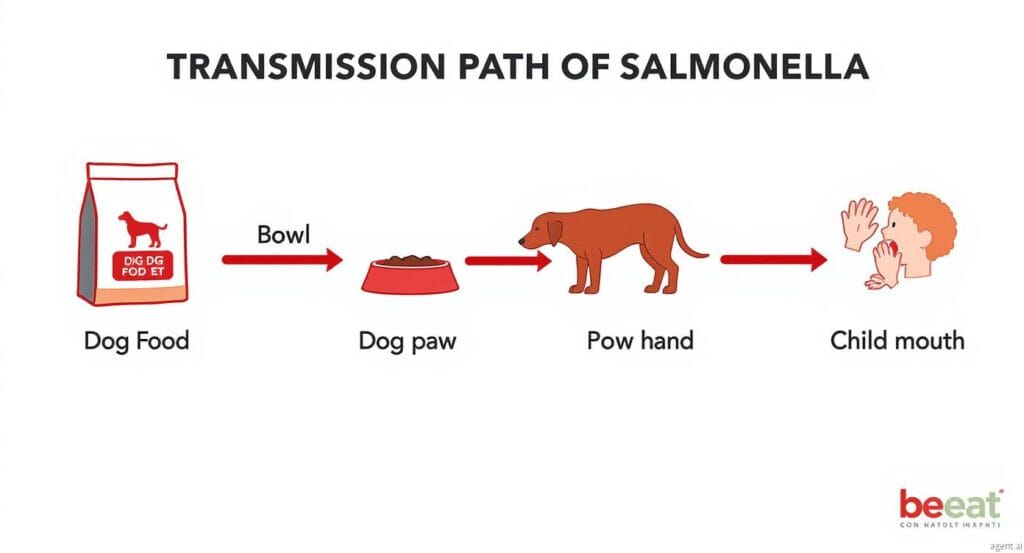
Being a zoonotic pathogen, Salmonella can spread from animals to people. Without ever coming into close contact with the tainted dog food, you or your family members could become ill. The fecal-oral pathway is the means of transmission. Typical situations consist of:
- Handling contaminated dog food or treats.
- Touching surfaces that have been contaminated by the food or by your dog’s saliva or feces (e.g., food bowls, floors, toys).
- Petting or cuddling your dog, especially if they have licked their rear end and then lick your hands or face.
- Not washing hands thoroughly after handling dog food, cleaning up feces, or touching the dog.
Salmonellosis in humans can cause symptoms such as fever, cramping in the stomach, diarrhea, and vomiting that might persist for a few days. Young children, the elderly, and people with compromised immune systems may be especially at risk.
The Recall Process: How to Stay Informed
When a Salmonella outbreak is detected, regulatory bodies like the U.S. Food and Drug Administration (FDA) work with manufacturers to issue a recall. Recalls can be voluntary (initiated by the company) or mandatory (ordered by the FDA).
Staying informed is your first line of defense. Here’s how:
- Bookmark Official Sites: Regularly check the FDA’s “Recalls, Market Withdrawals, & Safety Alerts” page and your country’s equivalent (e.g., CFIA in Canada).
- Sign Up for Alerts: Many pet food brands and regulatory agencies offer email or text alert services for recalls.
- Use Pet Food Tracker Apps: Several mobile apps are designed to track pet food recalls and send notifications.
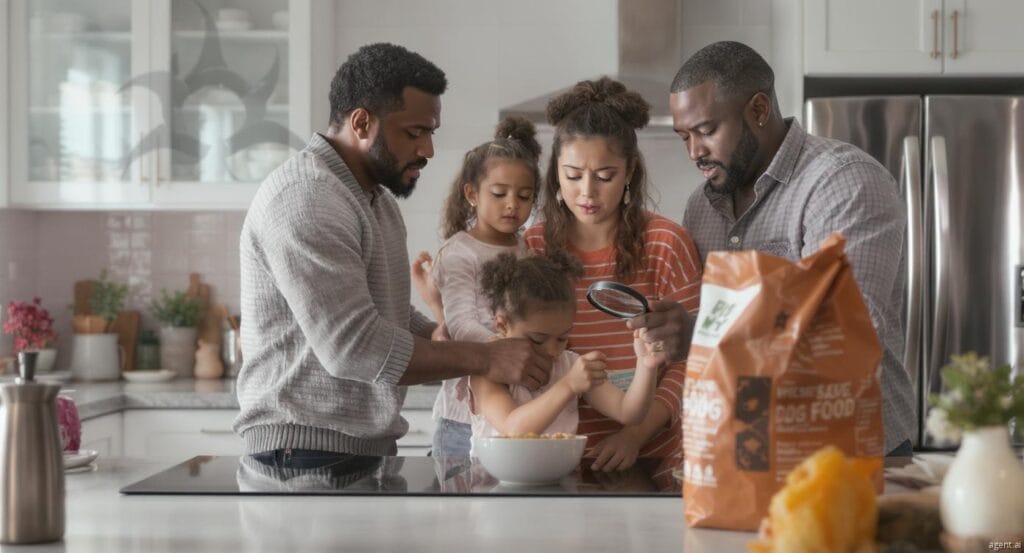
- Check the Lot Number: If you hear about a recall, always check the specific lot number, UPC code, and “best by” date on your bag of food against the details in the recall notice. Don’t rely on the brand name alone.
What to Do If You Suspect Contamination or Illness
- Stop Feeding the Food: Immediately discontinue use of the suspected food or treats.
- Secure the Product: Place the remaining food in its original packaging inside a sealed plastic bag. This prevents further contamination and preserves it as evidence if needed.
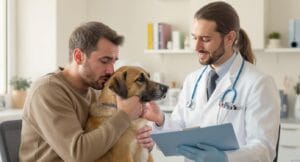
- Contact Your Veterinarian: If your dog is sick, call your vet right away. Be prepared to describe the symptoms and mention your concern about Salmonella.
- Contact Your Doctor: If a human family member is sick, seek medical attention and inform the doctor that there may have been exposure to contaminated pet food.
- Report the Incident: Report the suspected contamination to the pet food company and the FDA. This helps them track the outbreak and potentially expand the recall to protect others.
- Thoroughly Clean and Disinfect:
- Wash all dog food bowls, storage containers, and utensils with hot, soapy water, followed by a disinfectant. (A bleach solution of 1 tablespoon bleach to 1 gallon of water is effective, but rinse thoroughly).
- Clean all surfaces where the food was stored or prepared.
- Wash your hands meticulously with soap and water after handling any of these items.
The Ultimate Guide: How to Prevent Salmonella in Dog Food
It’s always better to prevent than to treat. You can significantly lower your family’s risk of contracting Salmonella by implementing these strict handling and cleanliness procedures.
1. Hygiene is Non-Negotiable
- Wash Your Hands: This is the single most important step. Always wash your hands with soap and water for at least 20 seconds after handling dog food, treats, bowls, or cleaning up after your dog.
- Supervise Children: Do not allow young children to handle or serve dog food. They are more susceptible to infection and less likely to practice good hygiene.
- Designate Feeding Areas: Feed your dog in a confined, easy-to-clean area (like a kitchen or laundry room tile floor), not on carpets or near where human food is prepared.
2. Safe Food Handling and Storage
- Use a Scoop: Never pour food directly from the bag into the bowl. Use a clean, dedicated scoop.
- Store Food Properly: Keep dry food in its original bag inside an airtight container. The bag has important recall information, and storing it this way protects the food from pests and moisture without creating a separate contamination risk.
- Discard Safely: If you must discard recalled or old food, seal it in a plastic bag and place it in a covered trash can that is inaccessible to pets and wildlife.
3. Bowl and Surface Cleaning
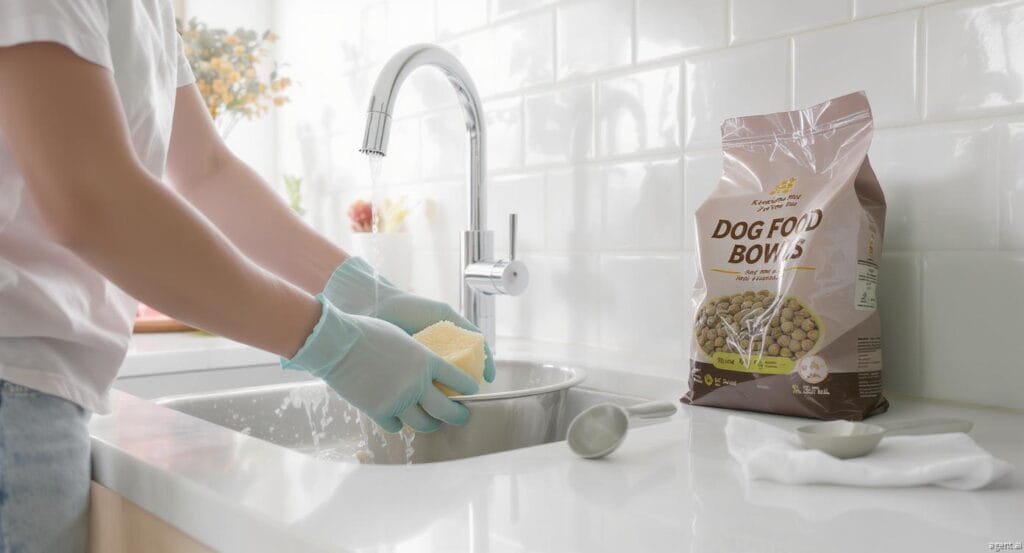
- Wash Bowls Daily: Your dog’s food and water bowls should be washed in hot, soapy water after every use, just like your own dishes.
- Disinfect Regularly: Regularly disinfect the feeding area, food storage containers, and scoops.
4. Be Cautious with Raw Diets
Raw dog food diets are at a significantly higher risk for Salmonella and other pathogens like E. coli and Listeria. If you choose to feed a raw diet, the hygiene protocols mentioned above must be followed with extreme diligence. Consider the heightened risk to immunocompromised family members.
Frequently Asked Questions (FAQs)
Q1: Can I tell if my dog’s food has Salmonella by looking at it or smelling it?
A: No. Contaminated dog food looks, smells, and tastes normal. There is no way to detect Salmonella without laboratory testing.
Q2: My dog ate a recalled food but seems fine. What should I do?
A: Stop feeding the food immediately. Monitor your dog closely for any signs of illness and practice strict hygiene. You may wish to consult your veterinarian for advice, especially if your dog is very young, old, or has health issues.
Q3: Is there a specific brand that is always safe?
A: No brand is 100% immune to the risk of contamination. While larger, reputable brands often have stricter quality controls, recalls can and do happen across the industry. Your best defense is vigilance and proper handling, regardless of the brand.
Conclusion: Vigilance Protects Your Entire Pack
The finding of a Salmonella epidemic in dog food serves as a sobering reminder that human and pet safety are inextricably intertwined. Manufacturers are responsible for creating safe food, but you have the ability to keep your home secure.
You can successfully lessen the risk by being aware of the dangers, keeping up with recalls, and putting in place a strict regimen centered on cleanliness and proper food handling. Washing your hands after handling dog food is a simple yet effective defense. You may prevent your family from getting ill from the food that feeds your cherished dog by being an aware and vigilant pet owner.
Also Read: Cozy Moments with Your Pet: The Joys and Challenges of Living with Dogs & Cats
Also Read: Dog Grooming at Home: The Ultimate Guide to a Healthy and Happy Pet