Introduction
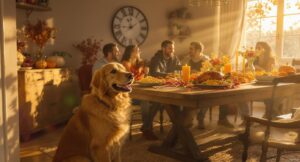
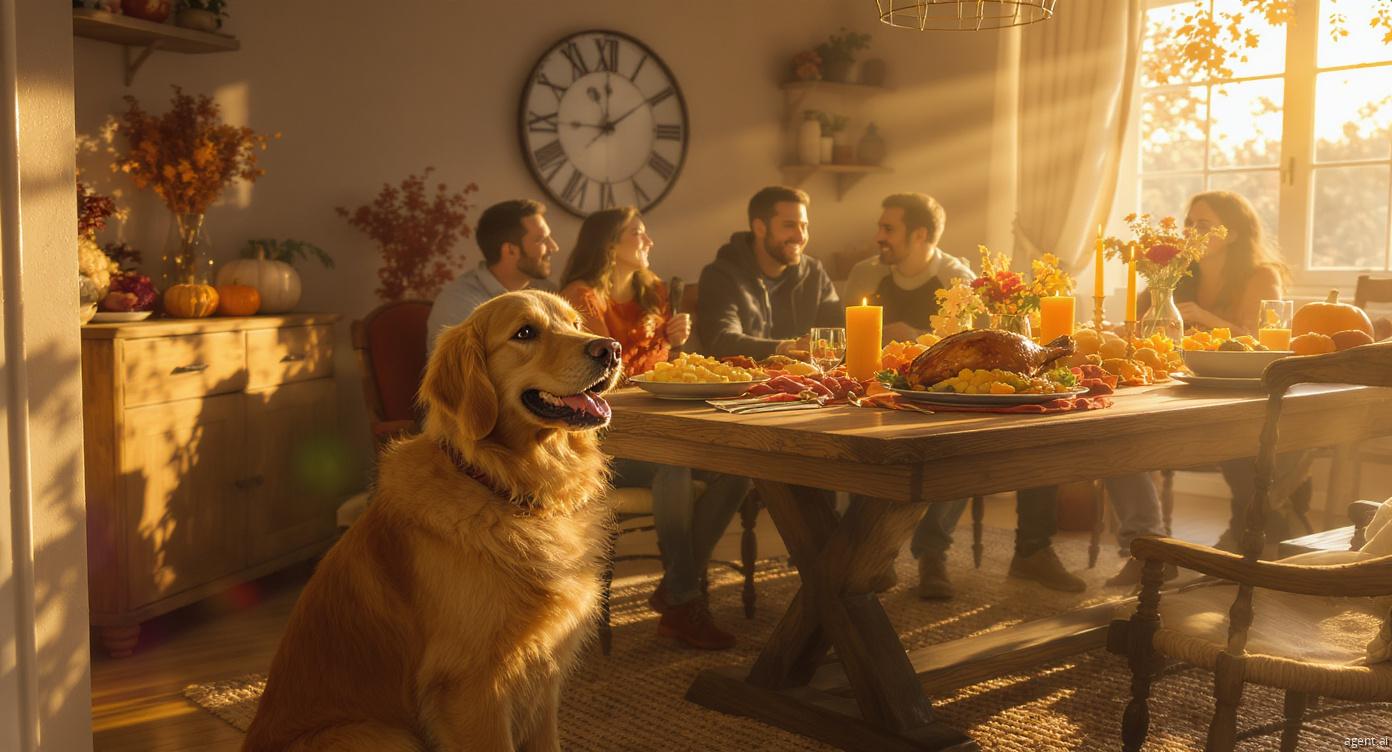
Thanksgiving is a time of delicious meals, festive gatherings, and warm family traditions, but it also brings hidden risks for pets that many owners overlook. With busy kitchens, tempting aromas, loud environments, and unfamiliar guests, dogs and cats often face more dangers on this holiday than at any other time of the year. Understanding Thanksgiving Pet Safety is essential because a single unsafe food item, a knocked-over candle, or a moment of stress can quickly turn a celebration into an emergency.
This guide explores seven powerful do’s and don’ts that every pet parent should know to keep their animals healthy, calm, and protected throughout the holiday. By following these practical and proven tips, you can enjoy a joyful Thanksgiving while ensuring your pets stay safe, happy, and stress-free.
Also Read: National Dog Show 2025: The Complete Origin Story, History, and Why America Loves It
1. Do Keep Toxic Thanksgiving Foods Far From Pets
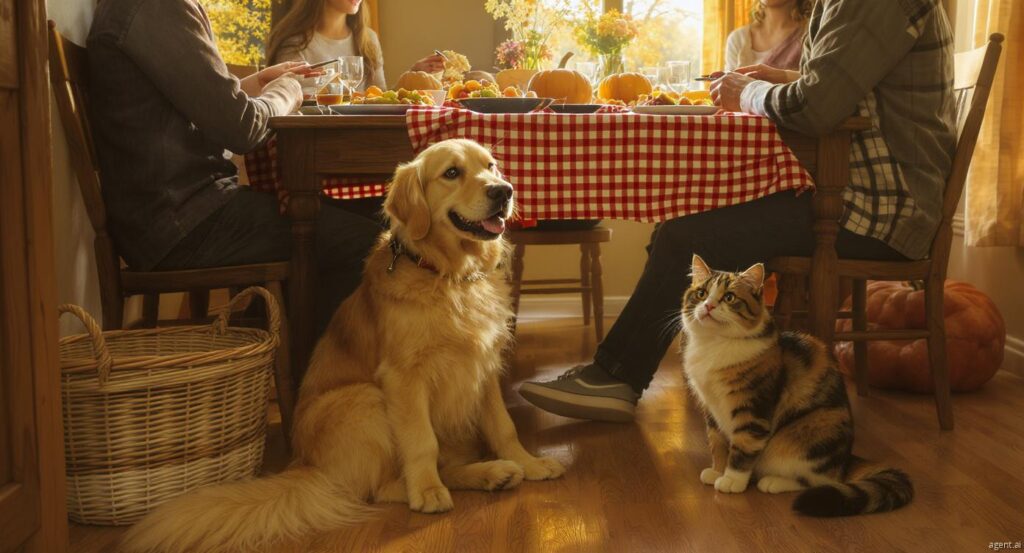
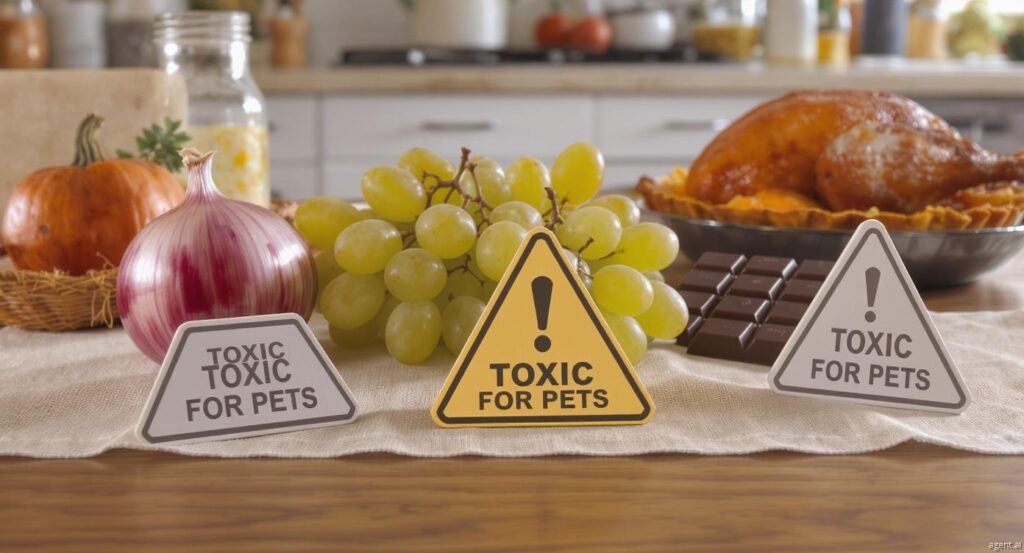
Thanksgiving tables are filled with delectable dishes that people adore, but many of these items are quite dangerous for pets. The aromas of turkey, stuffing, buttery sides, and desserts can easily entice dogs and cats, who are inherently curious. Knowing which foods are harmful is essential for effective Thanksgiving Pet Safety.
Onions, garlic, chives, raisins, grapes, chocolate, alcohol, and pastries sweetened with xylitol are among the most hazardous foods. Digestion problems, a fast heartbeat, organ failure, or convulsions can result from very tiny levels. Garlic and onions are frequently used in stuffing. Mashed potatoes may contain butter or cream, which can trigger pancreatitis in sensitive pets. Xylitol, a sugar substitute that is lethal to dogs, is present in several baked goods.
Preventing entry in the first place is essential to maintaining Thanksgiving pet safety. Avoid leaving leftovers unattended, keep food bowls off the floor, and cover dishes whenever you can. Because pets often try to steal scraps from the trash, place trash bags in a closed bin or behind a locked door. Keep in touch with guests, particularly those who are not comfortable with pets, and ensure that no one gives your dog or cat table scraps.
Offer plain cooked pumpkin, plain green beans, or a tiny portion of skinless, seasoned white turkey meat if you wish to treat your pet safely. These foods are in line with pet safety guidelines for a healthy Thanksgiving. The intention is to keep pets’ digestive systems safe and comfortable, not to bar them from the festivities.
According to the ASPCA’s list of toxic foods for pets, items like onions, grapes, chocolate, and alcohol pose serious health risks during Thanksgiving
Also Read: Top 3 Dog Breeds at Risk | Why the French Bulldog Faces a Critical Future
2. Don’t Share Turkey Skin, Bones, or Fatty Trimmings
Turkey is the centerpiece of the Thanksgiving feast, but parts of it can be harmful. The most common Thanksgiving emergency involves dogs or cats ingesting turkey bones, especially cooked bones. Cooked turkey bones splinter easily, causing choking, intestinal blockage, or internal injury. In severe cases, bone fragments can puncture the stomach or intestines, requiring emergency surgery.
Turkey skin, gravy, and fatty trimmings also create serious risks due to high fat content. Rich and greasy foods often trigger pancreatitis. Symptoms include vomiting, diarrhea, abdominal pain, restlessness, loss of appetite, and weakness. Pancreatitis can escalate quickly and become life-threatening, making this a major Thanksgiving Pet Safety concern.
Don’t serve turkey skin or leftovers with butter, oils, sauces, or spices, even if your pet begs or acts lovingly around the table. Establish explicit guidelines before the meal starts because guests may believe that tiny amounts are harmless. When everyone adheres to the same feeding protocols, Thanksgiving Pet Safety becomes easy. (The American Kennel Club explains whether dogs can safely eat turkey and highlights why seasoned skin, bones, and fatty trimmings must be avoided.)
Make a separate little dish of pet-safe turkey if your pet likes to participate in holiday activities. Serve only skinless, boneless, basic, unseasoned white meat in moderation. In addition to preventing the dangers of fat and bones, this lets your dog or cat feel included. This straightforward strategy promotes Thanksgiving Pet Safety without denying pets the opportunity to enjoy the holiday.
3. Do Create a Calm, Quiet Space Away From Guests
While Thanksgiving gatherings feel lively and joyful to humans, they can be overwhelming for pets. Loud conversations, doorbells, unfamiliar scents, and sudden movements create stress. Pets thrive in predictable environments; holiday chaos disrupts their routine. This emotional stress is a significant but often forgotten part of Thanksgiving Pet Safety.
While some pets like having guests, many are nervous or overstimulated. Dogs may exhibit symptoms of distress, such as pacing, hiding, shivering, or whining, or they may bark excessively. When scared, cats frequently hide behind furniture or try to flee. Accidents are more likely to occur when stress levels rise. When the door opens, a terrified pet may run outdoors or react violently if it is touched suddenly.
One effective Thanksgiving Pet Safety tactic is to create a designated safe area. Select a peaceful space where your pet can sleep uninterrupted. For dogs who feel safe in enclosed areas, add familiar items like a bed, toys, blankets, or a box. If there is a lot of commotion outside, have a bowl of water close by and draw the curtains.
Also Read: EHV-1 Outbreak Explained: Hidden Causes, Symptoms, Prevention & Global Impact on Horses
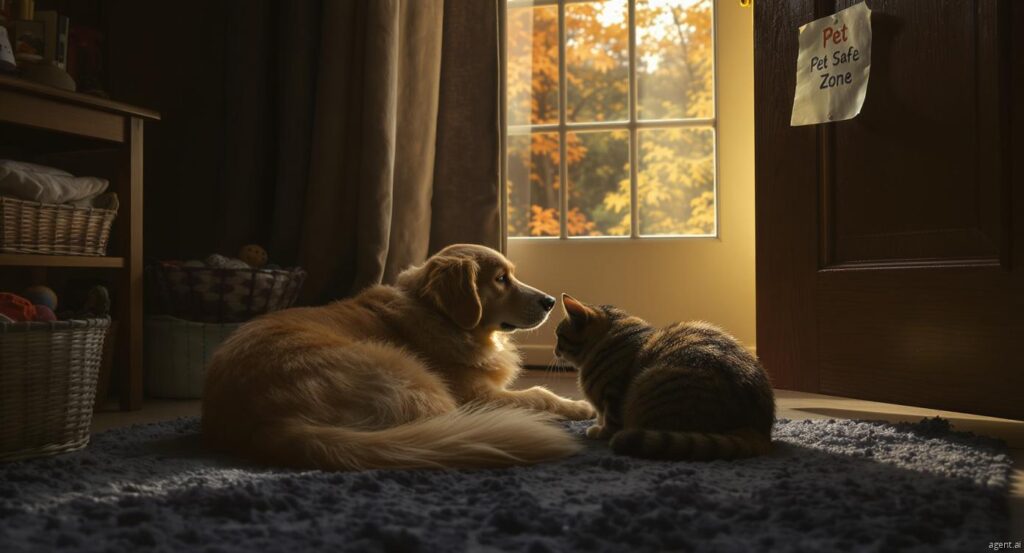
Using calming aids can further support holiday comfort. Pheromone diffusers, calming music, gentle pet massages, or anxiety-reducing treats can create a peaceful environment. Notify guests not to disturb the pet room unless necessary. Consistency in this approach helps maintain Thanksgiving Pet Safety by preventing stress-related behavior issues.
4. Don’t Leave Hot Dishes, Candles, or Decorations Unattended
Thanksgiving involves cooking, decorating, and creating a festive atmosphere. While this enhances the celebration, it also introduces hazards. Kitchen accidents are the most common sources of injuries during Thanksgiving. Pets may jump near hot stoves, scald themselves on dripping pans, or knock over hot dishes while begging for food. A moment of distraction can lead to burns or cuts.
A comparable danger is posed by scented warmers and candles. Pets who are curious could try to bat hanging ornaments or inspect flickering flames. Burns or a fire can result from a knocked-over candle. Due to the fact that many aromatic compounds are harmful to pets, potpourri, essential oils, and diffusers are also risky. These risks emphasize how crucial it is to keep pets safe around household objects on Thanksgiving.
Chewing behaviour may also be attracted by beautiful maize or berries, electric wires, and floral centerpieces. Artificial ornamentation may result in gastric obstruction or choking. Certain festive plants are quite harmful to dogs and cats, particularly holly and lilies.
To ensure Thanksgiving Pet Safety, place hot dishes at the back of counters and always turn pot handles inward. Keep candles out of reach or use battery-operated alternatives. Secure tablecloths if pets are prone to pulling them. Consider placing gates around the kitchen while cooking. By controlling the environment, you significantly reduce accidental injuries.
Also Read: 10 Whale Facts That Will Truly Inspire You and 5 That Might Seriously Shock You
5. Do Maintain a Pet-Friendly Kitchen Routine
The kitchen becomes the busiest area during Thanksgiving. With ovens running, timers beeping, and guests moving around, accidents can happen quickly. Practicing a structured kitchen routine improves Thanksgiving pet safety and prevents harmful interactions. Many pets wander into the kitchen seeking scraps or companionship, but this leads to tripping hazards or burned paws from hot spills.
By teaching pets to stay outside a baby gate or behind a designated line, you can establish clear limits. While you prepare, keep them occupied with a chew toy or a puzzle filled with treats. Reward them for avoiding the kitchen to reinforce good behavior. Thanksgiving pet safety and general household manners are enhanced by this regular schedule.
One family member can also be tasked with keeping an eye on the pets all day. This responsibility is making sure they are fed on schedule, taken for frequent walks, and kept hydrated. Regularity keeps pets from foraging or using risky methods to get attention. Additionally, keep ingredients stored securely. Raw dough, raw turkey, alcohol, and spices should never be given to pets because they can all result in medical crises.
A calm kitchen not only improves safety but also reduces cooking stress. Thanksgiving Pet Safety affects the entire home environment, making the holiday more enjoyable for everyone.
Also Read: Giant Panda: 11 Shocking Truths About This Cute but Endangered Icon
6. Don’t Ignore Exercise, Hydration, and Bathroom Breaks
A busy holiday schedule often leads to overlooked pet needs. Owners get occupied with guests or cooking and forget regular routines. Neglecting exercise, hydration, and bathroom breaks disrupts your pet’s comfort and health. Not maintaining these essentials weakens Thanksgiving pet safety by increasing anxiety and encouraging unwanted behavior such as chewing, barking, or indoor accidents.
Dogs require both physical exercise and mental engagement. Before guests arrive, they can unwind with a leisurely morning stroll. Additional brief walks during the day may be required for high-energy breeds. Playtime is beneficial for cats because it helps them decompress and release tension. By preventing hyperactivity or escape attempts, these procedures guarantee the protection of pets over Thanksgiving.
Hydration is just as crucial. Pets may be reluctant to approach their water dishes in busy settings. Make fresh water available in several places, particularly if visitors are obstructing access. Don’t serve gravy-based liquids, milk, or flavored drinks. The safest choice is always clean water.
Consistent bathroom breaks prevent discomfort and accidents. If your home layout changes during the holiday, pets may feel confused and go indoors unintentionally. Keeping your routine stable supports Thanksgiving pet safety by ensuring your pet feels secure even in a busy environment.
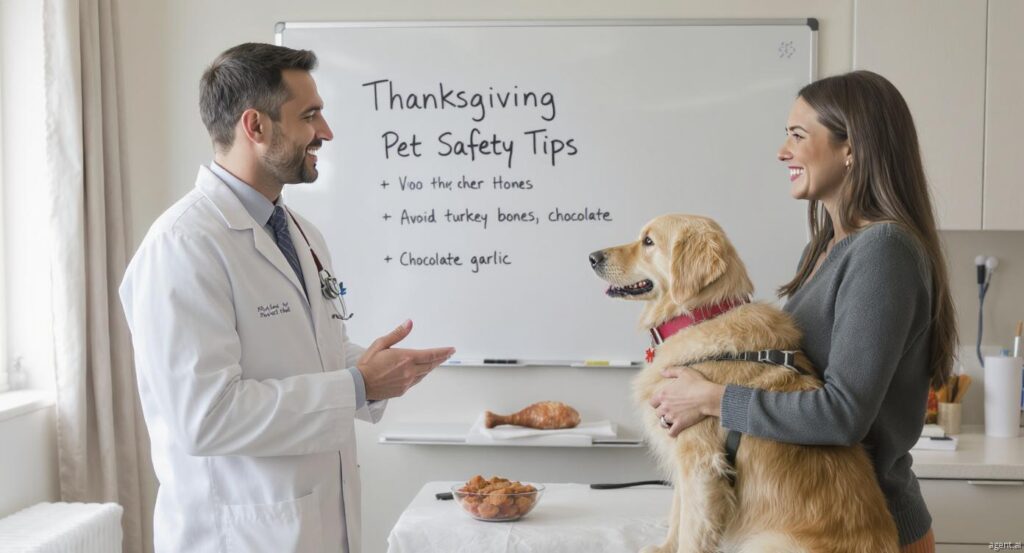
7. Do Prepare for Emergencies and Know When to Call a Vet
Despite all preventive measures, accidents can still occur. Thanksgiving pet safety improves significantly when owners stay prepared for emergencies. Knowing where to turn and how to respond saves time, reduces panic, and may prevent severe outcomes.
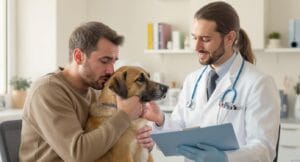
Start by keeping your veterinarian’s contact information in a visible place. Identify the nearest 24-hour emergency clinic and save their number as well. Holiday hours vary, so verify ahead of time whether your vet will be open. This preparation allows you to act quickly in case of poisoning, choking, injury, or sudden illness.
Learn the Heimlich manoeuvre for choking pets and how to spot symptoms of hazardous ingestion, among other basic first aid procedures. Vomiting, diarrhoea, tremors, breathing difficulties, enlarged abdomen, incapacity to walk, or dips in energy are common symptoms that call for prompt veterinary care. These are important indicators that the safety of Thanksgiving pets has been jeopardised and that expert assistance is required.
Making an emergency pack that is safe for pets is another aspect of preparation. Add bandages, saline solution, gauze, tweezers, antiseptic wipes, and safe drugs that your veterinarian has prescribed. Keep the kit out of the reach of youngsters and visitors.
The more knowledgeable and ready you are, the smoother your response will be during a crisis. Thanksgiving pet safety depends not only on prevention but also on your ability to handle unexpected events confidently. The AVMA’s holiday pet safety guidelines provide additional insights on preventing accidents, stress, and food-related emergencies during festive gatherings.
Also Read: 10 Mind-Blowing Facts About Whale Communication: Why It May Be Smarter Than Dogs & Cats
Final Thoughts: Make Thanksgiving Joyful and Safe for Your Pets
Thanksgiving is a time for comfort, gratitude, and togetherness. For pet owners, ensuring Thanksgiving pet safety is an essential part of celebrating responsibly. By understanding common hazards, managing food access, controlling the environment, and preparing for emergencies, you protect your pets from harm while keeping the holiday enjoyable for everyone.
These seven effective dos and don’ts provide a comprehensive guide to avoiding the most frequent Thanksgiving dangers. Every technique makes the celebration safer and more joyful, from keeping poisonous items out of reach to keeping the area peaceful. Pets depend on their owners for safety and direction. By putting Thanksgiving pet safety first, you create a comfortable space where your animals may unwind and enjoy the holiday’s warmth.
In addition to preventing crises, a well-organised, pet-safe Thanksgiving improves your relationship with your pets. You can make sure that every Thanksgiving is a memorable occasion for the whole family with awareness, planning, and considerate deeds.
FAQs
1. What is the most important Thanksgiving Pet Safety rule?
Keeping toxic foods and dangerous items out of reach is the most important Thanksgiving Pet Safety step for preventing emergencies.
2. Can I give my pet any Thanksgiving leftovers?
You can offer plain, unseasoned, skinless turkey in small amounts, but avoid bones, gravy, stuffing, and fatty dishes.
3. Are Thanksgiving desserts safe for pets?
No, most desserts contain sugar, chocolate, or xylitol, all of which are dangerous for pets and should be avoided completely.
4. How can I prevent my pet from begging at the dinner table?
Provide a mentally stimulating toy or treat before mealtime and keep pets entertained away from the table.
5. Are Thanksgiving decorations harmful to pets?
Yes, candles, string lights, artificial berries, and potpourri can be toxic or cause choking hazards if pets try to chew or ingest them.
6. What are signs my pet ate something toxic?
Symptoms include vomiting, diarrhea, drooling, trembling, lethargy, pacing, or trouble breathing, all requiring immediate veterinary care.
7. How do I keep my dog or cat calm during holiday visitors?
Create a quiet room with their bed and familiar items, use calming aids, and limit guest interaction to reduce stress.
8. Can pets be around the kitchen while cooking Thanksgiving food?
It’s safer to keep them out, as hot spills, sharp utensils, and dropped foods pose major risks during holiday cooking.
9. What should I do if my pet gets stressed by noise and crowds?
Offer a safe retreat space, use soft music or calming diffusers, and avoid forcing interaction with guests.
10. Should I prepare an emergency plan for Thanksgiving Pet Safety?
Yes, keep your vet’s contact, emergency clinic number, and a small first-aid kit ready in case of poisoning or injury.