Introduction
Vaccines are one of the most powerful tools for keeping pets healthy, protected, and safe from life-threatening diseases. Yet every year, thousands of pet owners refuse vaccines for their animals, sometimes out of fear, sometimes due to misinformation, and sometimes because they believe their pets are naturally safe without medical protection.
But the truth is unsettling: when pet owners refuse vaccines, the consequences go far beyond their own dogs or cats. Their decision puts entire neighborhoods, shelters, and local animal communities at risk. Vets see heartbreaking cases every year, pets suffering or dying from diseases that could have been completely prevented with a simple vaccination.
This article reveals 7 shocking truths about what really happens when pet owners refuse vaccines, along with the vet-recommended solution that can dramatically reduce disease risk and protect pets long-term. Let’s begin with the first and most widespread reason behind low vaccination rates.
Also Read: 10 Mind-Blowing Facts About Whale Communication: Why It May Be Smarter Than Dogs & Cats
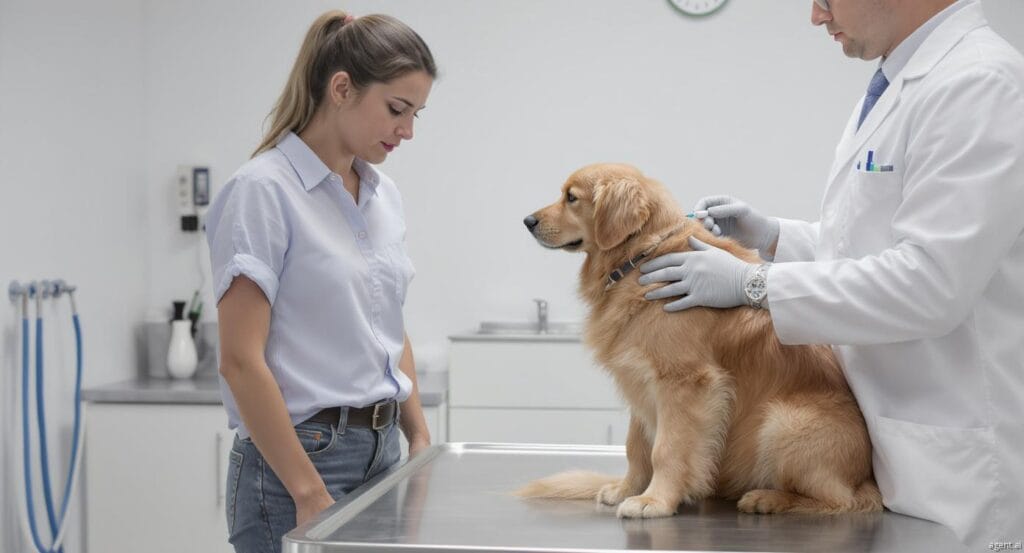
1. Most Pet Owners Refuse Vaccines Because of Online Misinformation
This is the most common reason vets report.
The internet is an incredible tool, but it becomes dangerous when false claims spread faster than scientific facts.
Every day, social media posts, outdated blogs, and unverified opinions circulate statements like
- “Vaccines cause serious side effects.”
- “My pet doesn’t need vaccines because it lives indoors.”
- “Vets only recommend vaccines to make money.”
- “Natural immunity is better than vaccines.”
Almost all of these claims share one thing in common:
They are not supported by real scientific evidence.
Pet owners who come across such stories often panic, especially when they read emotional testimonies that lack proof but generate fear.
Why Is This So Dangerous?
Because misinformation triggers:
- Fear-based decisions
- A false sense of safety
- Distrust in veterinary professionals
- Lower vaccination rates in entire communities
And once vaccination rates drop, diseases like parvovirus, rabies, and distemper spread dramatically faster, especially in high-population areas.
Vets often say this line:
“Misinformation is more dangerous than the disease itself.”
And this is why Truth #1 is genuinely shocking:
Many pet owners are not rejecting vaccines because of facts; they’re rejecting them because of fear. (Pet vaccination guidelines by the AVMA.)
2. Refusing Vaccines Puts Other Pets at Risk—Not Just Your Own
Also Read: 10 Warning Signs in Dogs Veterinarians Say You Must Never Ignore | Even One Could Save a Life
Most pet owners believe skipping vaccines only affects their own dogs or cats.
But vets warn that the danger spreads far beyond a single home.
When a pet isn’t vaccinated, it becomes:
- A carrier (spreading disease without showing symptoms)
- A trigger for local outbreaks
- A risk to vulnerable pets such as puppies, senior pets, or immunocompromised animals
- A threat to shelters and rescues, where diseases spread extremely fast
Diseases like parvovirus, rabies, canine distemper, and feline panleukopenia can survive for months in the environment.
This means an unvaccinated dog walking in a public park or interacting with another animal can unknowingly start a chain reaction.
Vets See This Scenario Every Month
One unvaccinated pet → gets infected → spreads it to a neighbor’s dog → spreads to a stray → spreads to an entire area.
All because vaccines were skipped.
How Unvaccinated Pets Create a “Domino Effect”
When too many pets remain unvaccinated, community protection breaks down.
This is called herd immunity collapse, and it leads to:
- sudden spikes in deadly diseases
- high hospitalization rates
- full capacity in vet clinics
- tragic losses for families who never saw it coming
A single vaccination decision can protect dozens of pets indirectly. A single refusal can endanger them.
“Skipping vaccines doesn’t just endanger your pet—it can affect the entire community. Learn more in the CDC guide on pet disease prevention
3. Pet Owners Who Skip Vaccines Often Face Higher Costs Later
Many owners avoid vaccines because they want to “save money.”
Ironically, this often becomes the most expensive mistake of their pet’s life.
Also Read: Dog Trainer Warns: 5 Dog Breeds You Should Avoid | But Here’s the Twist!
The Cost Comparison Is Shocking
| Expense Type | Typical Cost |
|---|---|
| Core vaccines (annual/3-year) | $20–$80 |
| Treatment for parvovirus | $2,000–$10,000 |
| Treatment for distemper | $1,500–$5,000 |
| Rabies exposure treatment for humans | $3,000+ |
| Hospitalization for unvaccinated pets | $500–$2,500+ |
A $50 vaccine can prevent a $5,000 emergency—yet many owners don’t realize this until it’s too late.
Why Treatment Costs Are So High
When a pet without vaccines gets sick, the vet must often provide:
- emergency IV fluids
- isolation care
- round-the-clock monitoring
- antiviral medications
- blood transfusions in severe cases
- extended hospital stays
And despite aggressive treatments, some diseases still have high mortality rates for unvaccinated pets.
The emotional toll is even worse.
Families often say, “I wish I had just vaccinated earlier.”
A Hidden Financial Danger: Human Exposure
If an unvaccinated pet contracts rabies or another zoonotic disease, the owner may have to undergo:
- expensive medical tests
- rabies post-exposure shots
- mandatory health monitoring
This can easily cost thousands, all because vaccines were skipped.
4. Pets Without Vaccines Have a Much Shorter Lifespan
Most pet owners assume their animals are “healthy enough” without vaccines—especially if they seem active, playful, and normal.
But vets consistently report one alarming pattern:
Unvaccinated pets have higher mortality rates and shorter lifespans.
This happens for several reasons:
1. They are exposed to deadly diseases year-round
Even indoor pets can catch infections from:
- groomers
- pet sitters
- visiting pets
- contaminated surfaces
- shoes and clothing brought from outside
Viruses like parvo and panleukopenia can live on surfaces for up to a year, waiting for an unprotected pet.
2. Their immune system stays vulnerable
Vaccinated pets build long-term immunity.
Unvaccinated pets stay “unshielded” — every exposure becomes a gamble.
3. Many fatal diseases show NO early symptoms
By the time owners notice something is wrong, the disease has often progressed too far for treatment to work.
4. Some diseases cause lifelong health damage
Even if a pet survives distemper or parvo, it may live:
- with chronic neurological problems
- with weakened immunity
- with digestive damage
- with respiratory issues
These complications drastically reduce lifespan.
The Vet Reality
Vets repeatedly see two groups:
- Vaccinated pets: long lives, predictable health
- Unvaccinated pets: emergency visits, rapid decline, shorter life expectancy
This isn’t chance—it’s biology.
Also Read: 10 Proven Ways to Help Your Pet Lose Weight Fast Without Stress or Guilt
5. Many Unvaccinated Pets Suffer Silently Without Showing Symptoms
This is one of the most heartbreaking truths on this entire list.
Pets are experts at hiding pain.
It’s a survival instinct.
In the wild, showing weakness meant becoming a target, so animals evolved to remain silent even when seriously ill.
For unvaccinated pets, this leads to silent suffering.
Diseases often Hide Until It’s too late.
- Parvovirus
- Distemper
- Feline leukemia
- Panleukopenia
- Bordetella
- Rabies (early stages)
- Leptospirosis
By the time symptoms appear, such as vomiting, lack of appetite, fever, or lethargy, the disease is already advanced.
Why Symptoms Appear Late
- Viruses multiply rapidly
- The immune system fails without vaccines
- Internal organs get damaged before visible signs appear
- Pets instinctively hide discomfort
This creates the illusion that the pet is “healthy” even though the disease is spreading inside.
What Vets Often Hear From Owners
- “But he was fine yesterday!”
- “She ate like normal just this morning.”
- “He never showed any warning signs.”
The truth is:
The signs were there; the pet simply hid them.
The Result
Many unvaccinated pets arrive at the vet:
- too weak
- too dehydrated
- too infected
- too late
And treatment becomes significantly harder, sometimes impossible.
6. Refusing Vaccines Puts Public Safety at Serious Risk
Most pet owners think their decision not to vaccinate affects only their own animal, but vets warn that this belief is dangerously false.
Some diseases prevented by vaccines are zoonotic, meaning they can spread from animals to humans.
The most serious example?
Rabies.
Rabies is 99.9% fatal once symptoms appear.
There is no cure.
And unvaccinated pets are one of the most common sources of human exposure.
Why This Is a Public Safety Emergency
When a pet with no vaccines bites a person — even accidentally — several things may happen:
- The pet may be forced into quarantine
- The owner may face legal consequences
- The victim may require expensive rabies post-exposure treatment
- Authorities may be required to test the pet for rabies
- In severe cases, the pet may be euthanized for testing
A simple, low-cost rabies vaccine prevents all of this.
Other Diseases That Pose Human Risk
- Leptospirosis
- Bordetella
- Ringworm (fungal, but preventable with general immunity)
- Toxoplasmosis (indirect link but higher risk in unprotected pets)
When pets are not vaccinated, they become potential carriers even if they show no symptoms.
This puts:
- children
- elderly people
- immunocompromised individuals
- pregnant women
- veterinarians
- groomers
- neighbors
- delivery workers
all at unnecessary risk.
Vets Emphasize This Point Clearly:
Vaccination is not only pet protection, it is a legal and moral responsibility.
And that brings us to one of the most shocking truths of all.
7. Unvaccinated Pets Increase the Risk of Preventable Outbreaks
When enough pet owners refuse vaccines, the entire community becomes vulnerable to sudden outbreaks.
This isn’t a theory; it has happened multiple times in real cities.
How Outbreaks Begin
- An unvaccinated pet gets exposed to a virus
- The virus spreads to another unvaccinated pet
- Local immunity drops
- The virus spreads rapidly through parks, neighborhoods, and shelters
- Vets become overwhelmed
- Dozens or even hundreds of pets get infected
All from one single source.
Real-World Outbreak Examples (Common Patterns)
While outbreaks vary by location, vets see recurring patterns:
- Parvovirus sweeping through dog parks
- Distemper outbreaks in unvaccinated neighborhoods
- Feline panleukopenia is hitting shelters because one unvaccinated cat was surrendered
- Rabies exposure scares due to missing or outdated vaccines
Every outbreak has the same root cause:
Too many pet owners are skipping vaccines.
Why Outbreaks Spread So Fast in Animals
- Pets interact nose-to-nose
- They share water bowls in parks
- Viruses survive on surfaces for months
- Stray animals transmit diseases without detection
- Unvaccinated pets shed more virus into the environment
Once an outbreak begins, stopping it becomes extremely difficult and expensive.
The Hidden Impact on Shelters
Shelters already operate at full capacity, and outbreaks force them to:
- shut down temporarily
- euthanize infected animals to prevent the spread
- Refuse incoming pets
- Cancel adoption events
- spend thousands on emergency sanitation
All because some owners refused simple, inexpensive vaccines.
Also Read: White Iberian Lynx: Rare Discovery and Conservation Success

Conclusion: The Choice That Shapes Your Pet’s Future
In the end, the debate around pet owners who refuse vaccines always circles back to one clear truth—our animals rely on us for protection they cannot provide for themselves. Understanding the risks, the science, and the consequences helps every owner make informed, responsible decisions. Whether the concerns come from misinformation, fear, or simply a lack of awareness, (importance of timely vaccines for pets). one step remains universally recommended by veterinarians everywhere: keep your pet on a proper vaccination schedule.
It’s the simplest, safest, and most effective way to prevent life-threatening diseases and ensure your companion enjoys a long, healthy life. When owners choose consistent care over uncertainty, they aren’t just following advice; they’re giving their pets the future they deserve.
FAQ
1. Why do pets need vaccines?
They help protect pets from serious infections that can be easily prevented.
2. Are vaccines safe for pets?
Yes, they are generally very safe and any side effects are usually mild and short-lived.
3. How often should pets be vaccinated?
Most pets follow an annual or multi-year schedule, depending on what the vet recommends.
4. What happens if I skip my pet’s shots?
Your pet becomes more vulnerable to illnesses that are normally preventable.
5. Do indoor pets still need vaccines?
Yes, because viruses and bacteria can still enter the home through people or objects.
6. Which shots are considered essential?
Dogs typically need rabies, parvo, and distemper; cats need rabies and core feline immunizations.
7. Can shots cause long-term side effects?
Severe reactions are extremely rare, and the benefits strongly outweigh the risks.
8. Are any pet shots required by law?
Rabies shots are mandatory in many places to protect both animals and humans.
9. Can older pets still get vaccinated?
Yes, though vets may adjust the schedule depending on age and health.
10. How do I know which shots my pet needs?
Your veterinarian will guide you based on lifestyle, age, and overall health.